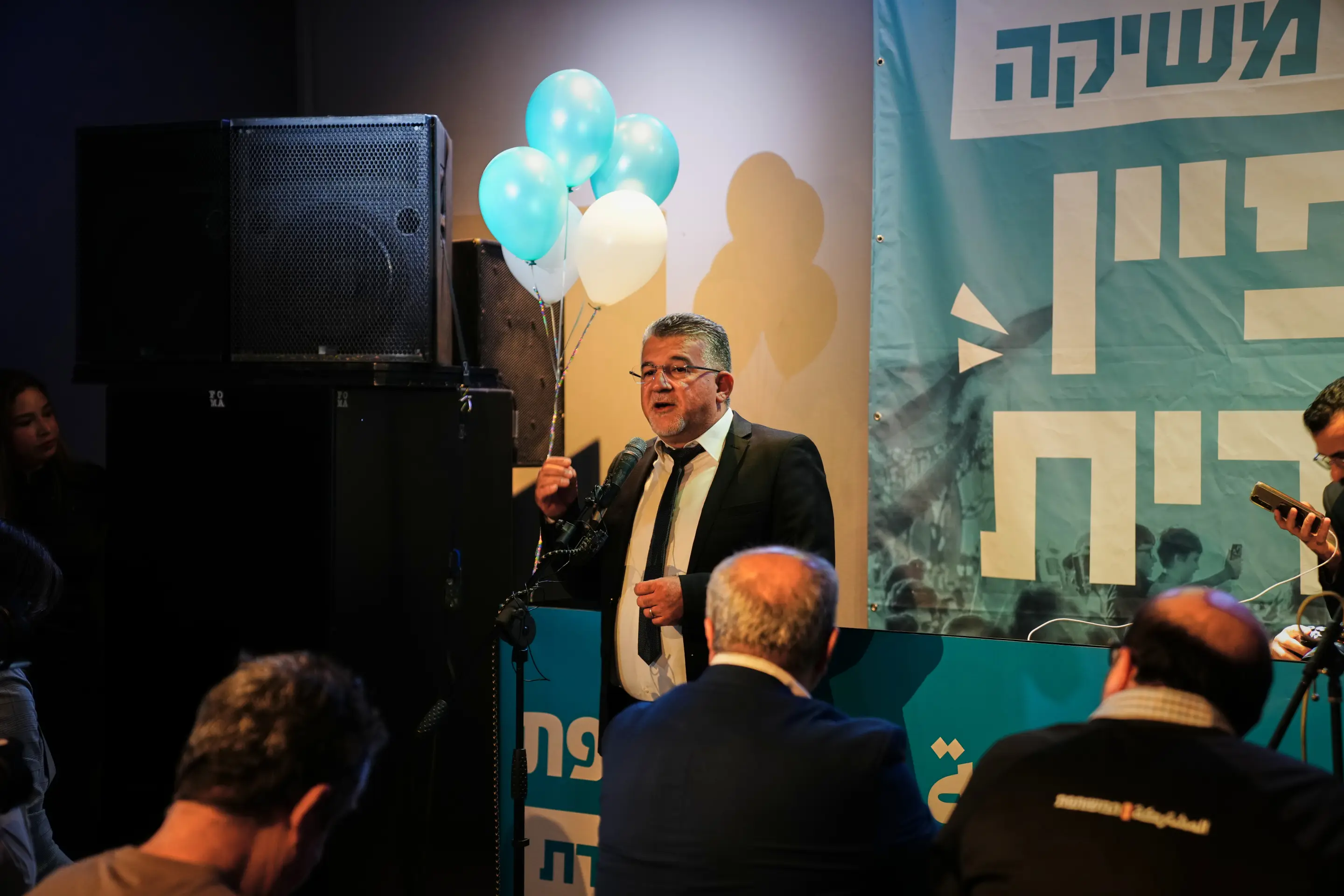
Palestinian citizens of Israel turned out in unprecedented numbers at the ballot box, driven by deepening existential anxieties, escalating political polarization, and a shared resolve to protect their civil rights in one of the most consequential elections in the nation's history.
A Surge at the Polls Driven by Heightened Community Anxieties
In polling stations stretching from Nazareth and Umm al-Fahm to the Bedouin townships of the Negev, Palestinian citizens of Israel cast their ballots in numbers that confounded pre-election forecasts, turning an election marked by deep disillusionment into a historic display of political mobilization. Community leaders, municipal officials, and local election monitors reported robust queues forming before dawn, as voters who had previously considered boycotting the electoral process decided that the stakes were simply too high to stay home. For decades, Arab citizens—who constitute roughly twenty percent of Israel's population—have navigated a complex existence as citizens of a Jewish state while sharing deep historical, familial, and cultural ties with Palestinians in the West Bank and Gaza. Yet community organizers noted that this vote felt fundamentally different, characterized not by ideological fervor or partisan optimism, but by an acute collective urgency to counter aggressive legislative initiatives and safeguard basic legal protections amid rising nationalism.
Escalating Rhetoric and Legislative Pressure Galvanize Turnout
The unprecedented voter participation follows months of intensifying rhetoric from ultranationalist political figures and the introduction of controversial parliamentary measures that community advocates argue seek to delegitimize Arab political representation. Recent legislative proposals targeting civic funding for Arab municipalities, tightening restrictions on land zoning, and challenging the standing of Arab parliamentary factions in the Knesset created an atmosphere of pervasive uncertainty. Rather than dampening civic engagement, however, these pressures appear to have triggered a defensive counter-reaction across diverse segments of the community. From university students in Haifa to seasoned grassroots organizers in the Galilee, voters expressed a shared determination to ensure that their voices could not be sidelined from national decision-making at a pivotal juncture in regional affairs.
Balancing Deep Frustrations With the Demand for Tangible Governance
Beneath the high voter turnout lies a complex internal debate over the role and efficacy of Arab parties in Israeli governance. While many voters prioritized national civil rights and an end to regional military conflict, day-to-day concerns over an epidemic of violent crime, chronic underinvestment in public infrastructure, and economic inequality featured prominently across municipal campaigning. In recent years, local communities have suffered devastating waves of gang violence that residents insist received inadequate attention and resources from state law enforcement. For many heading into the voting booths, casting a ballot was viewed less as an endorsement of any single political agenda and more as an indispensable mechanism to demand accountable policing, educational equity, and fair resource allocation for neglected Arab towns and villages.
Shifting Political Coalitions and the Arithmetic of the Knesset
The surge in Arab turnout carries profound mathematical implications for the composition of the 120-seat Knesset, where razor-thin margins have historically dictated coalition formation. Political analysts noted that higher participation among Palestinian citizens directly raises the electoral threshold, recalibrating the seat distribution between opposing political blocs and potentially denying right-wing hardliners an outright legislative majority. At the same time, the fragmented nature of Arab political factions—ranging from secular nationalists to Islamist and integrationist parties—reflects enduring strategic divergences over whether to join governing coalitions or maintain principled opposition from outside the executive branch. Whichever posture prevails, the demonstrated voting power has reaffirmed that Arab citizens remain an indispensable factor that no viable government coalition can permanently ignore.
A Defining Moment for Democratic Rights and Civic Identity
As tally centers throughout the country began processing the ballots late into the night, community advocates emphasized that the significance of the vote transcends party tallies and parliamentary arithmetic. For a minority population that has frequently felt marginalized in national discourse, the election served as a powerful assertion of civic belonging and constitutional resilience. Observers and civil society leaders noted that while the underlying fears and systemic frustrations that propelled voters to the ballot boxes remain unresolved, the historic turnout delivered an unequivocal message: Palestinian citizens of Israel intend to actively shape the future of the society in which they live, utilizing democratic avenues to defend their dignity, security, and equal rights against all odds.