Two mosques in the occupied West Bank were set on fire in suspected Israeli settler attacks as violence escalated across the territory following deadly clashes. The incidents have drawn international condemnation amid growing concerns over worsening security and rising civilian casualties.
Two Mosques Targeted in Overnight Attacks
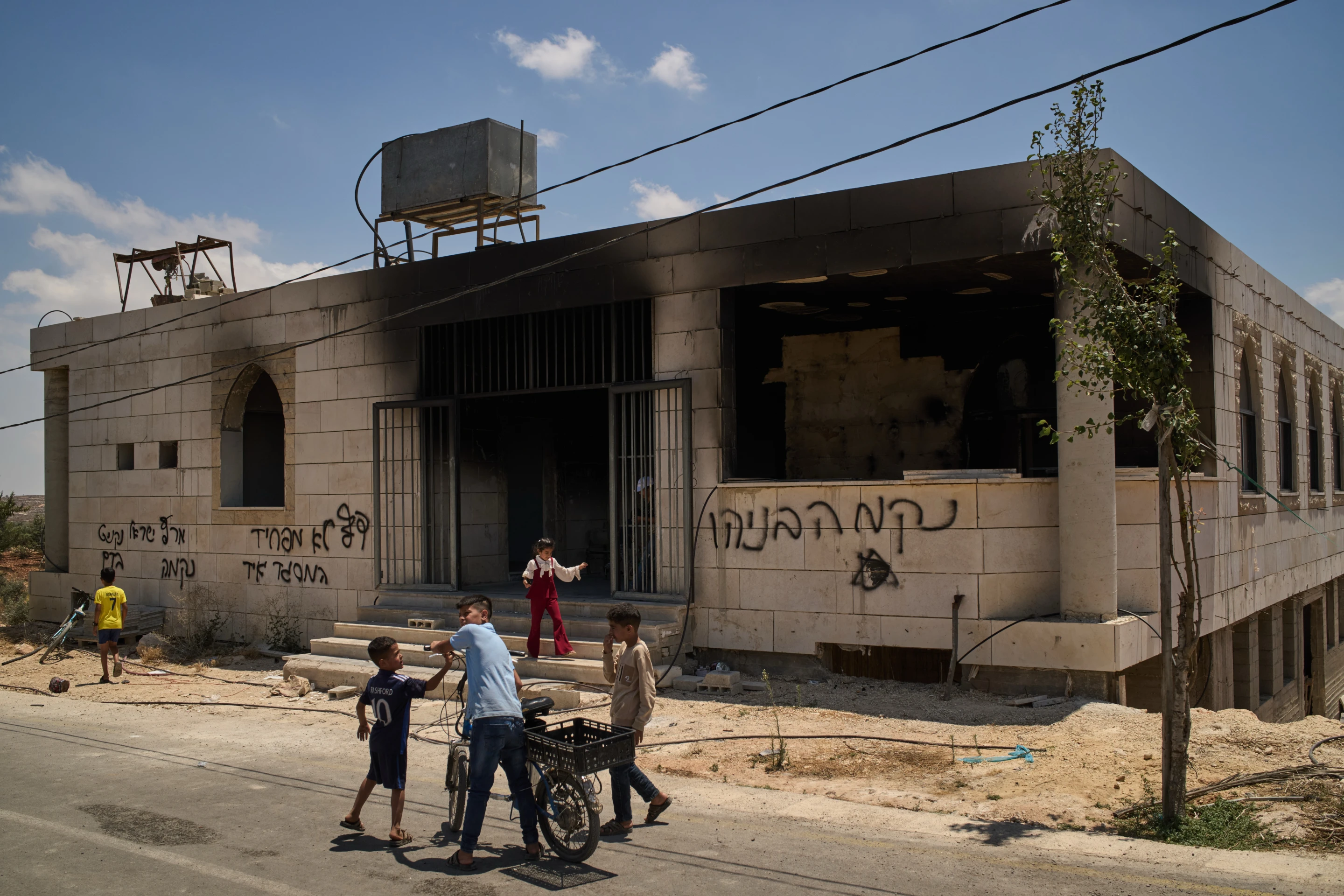
Two mosques located in the northern occupied West Bank were damaged in overnight fires that Palestinian officials and Israeli authorities said were likely the result of Israeli settler attacks. The incidents occurred in the villages of Qusra and Kour, where worshippers discovered fire damage and Hebrew graffiti on the buildings early in the morning. According to witnesses, one mosque sustained significant structural damage after flames spread through parts of the building, while another suffered attempted arson before local residents managed to limit the fire. Graffiti containing messages of revenge was reportedly spray-painted on walls near the sites, intensifying concerns that the attacks were carried out as retaliatory acts following recent deadly violence in the area. Israeli security forces condemned the destruction of religious sites and announced that investigations had been launched to identify those responsible. Palestinian officials described the attacks as part of a broader pattern of escalating settler violence targeting communities across the occupied West Bank. Religious leaders from both communities urged restraint, warning that attacks on places of worship could further inflame already heightened tensions. International observers also expressed concern over the symbolic and humanitarian impact of targeting religious institutions during an already volatile period. Human rights organizations called for thorough investigations and accountability, noting that previous incidents involving attacks on Palestinian property have often resulted in few prosecutions. The destruction has left local communities shaken as authorities continue assessing the damage while increasing security around vulnerable villages.
Deadly Clashes Intensify West Bank Violence
The mosque attacks followed one of the deadliest periods of violence in the occupied West Bank this year. Earlier confrontations near the Palestinian village of Tell resulted in the deaths of four Palestinians and two Israeli soldiers after a clash involving Israeli settlers, Palestinian residents, and security forces. Israeli authorities said the confrontation began after a Palestinian allegedly seized a weapon from an Israeli settler during the unrest, while Palestinian witnesses described the incident as part of a broader escalation involving armed settlers entering nearby villages. Following the violence, Israeli security forces launched extensive operations across the region, deploying additional troops, conducting arrests, and increasing military checkpoints throughout northern West Bank communities. Roads leading into several towns were temporarily closed as security operations expanded. Palestinian officials accused settlers of carrying out coordinated attacks on multiple villages following the deadly confrontation, including vandalism, arson, and assaults on civilian property. The Israeli military acknowledged that settler violence had occurred and stated that those responsible would be investigated alongside broader security operations. The deteriorating security situation has heightened fears among residents who say daily life has become increasingly dangerous due to recurring confrontations, military raids, and retaliatory attacks. Humanitarian organizations warned that civilians continue to bear the greatest burden as violence spreads across multiple communities. The latest deaths and attacks have intensified international concern that the occupied territory is entering another prolonged cycle of instability with growing risks of further escalation.
Authorities Launch Investigations
Israeli authorities announced investigations into the suspected settler attacks on the two mosques while reaffirming that violence against civilians and religious sites is unacceptable. Security officials collected evidence from the damaged buildings, documented graffiti left at the scenes, and interviewed witnesses as part of ongoing inquiries. Despite official condemnations, Palestinian leaders and human rights organizations expressed skepticism over whether those responsible would ultimately face prosecution, pointing to previous cases involving attacks on Palestinian communities that resulted in limited legal action. International organizations have repeatedly urged Israel to strengthen enforcement against extremist violence in the occupied territories and improve protection for vulnerable communities. The Palestinian Authority called for immediate international intervention, arguing that attacks on places of worship represent serious violations of international law and religious freedom. Regional leaders echoed similar concerns, urging governments and global institutions to pressure all parties to prevent further violence. Meanwhile, Israeli officials emphasized that law enforcement agencies would pursue those responsible regardless of political or ideological affiliation. Security analysts noted that holding perpetrators accountable could play an important role in reducing retaliatory attacks and preventing further deterioration of the security situation. Community representatives also appealed for increased police and military protection around religious sites, schools, and residential neighborhoods considered vulnerable to future attacks. As investigations continue, authorities remain on high alert amid concerns that additional incidents could occur if tensions continue rising across the West Bank.
International Leaders Condemn the Attacks
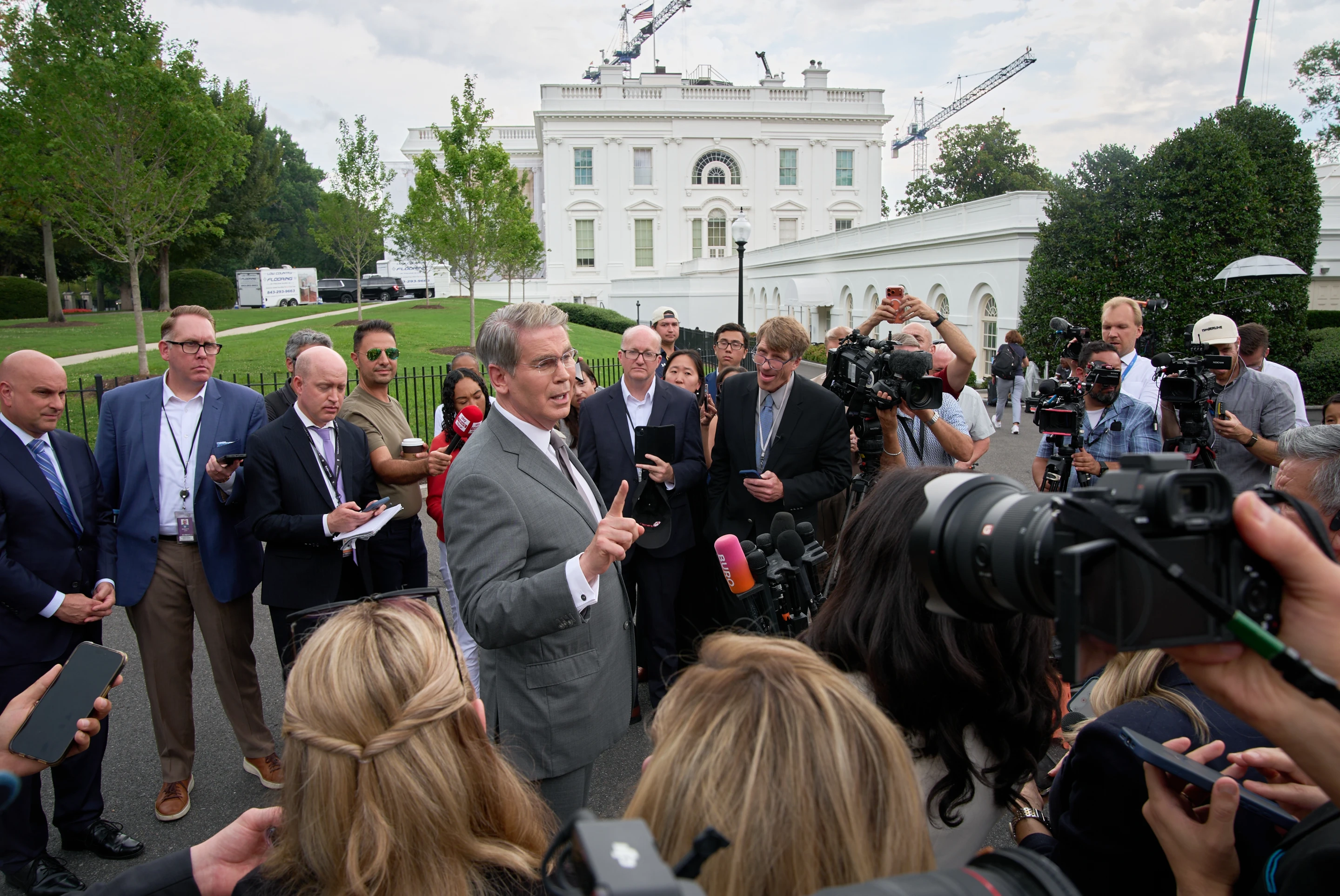
The attacks on the mosques prompted swift international condemnation from governments, humanitarian organizations, and religious leaders who warned that targeting places of worship threatens both regional stability and interfaith relations. Pope Leo XIV appealed for calm and renewed political dialogue while emphasizing the need to respect all religious sites regardless of faith. The Arab League condemned the attacks and urged the international community to take stronger action against escalating settler violence. European officials reiterated calls for accountability and expressed concern over the increasing number of violent incidents affecting civilians in the occupied West Bank. Human rights organizations argued that attacks on religious institutions deepen mistrust between communities and make future peace negotiations more difficult. Diplomatic representatives from several countries stressed that protecting civilians and preserving religious freedom remain essential obligations under international humanitarian law. Analysts noted that repeated attacks on sensitive religious locations often generate broader regional reactions due to their symbolic significance. Aid organizations also expressed concern that continued instability could worsen humanitarian conditions, particularly for families already displaced or affected by ongoing violence. International observers continue monitoring developments closely while encouraging all parties to avoid actions that could further inflame tensions. The latest incidents have renewed calls for diplomatic engagement aimed at preventing additional violence and restoring stability throughout the occupied Palestinian territories.
Growing Humanitarian and Political Concerns
The latest violence has intensified concerns about the worsening humanitarian and political situation across the occupied West Bank. Families living near affected communities remain fearful of further attacks, while schools, businesses, and places of worship continue operating under heightened security. Aid agencies reported increasing psychological stress among residents who have experienced repeated cycles of violence and uncertainty. Local leaders warned that attacks on civilian infrastructure and religious institutions could fuel additional unrest and deepen divisions between communities. The recent surge in violence has also complicated diplomatic efforts aimed at reducing tensions and reviving broader political dialogue between Israelis and Palestinians. International observers have urged all parties to avoid retaliatory actions and prioritize civilian protection, emphasizing that lasting stability cannot be achieved through continued violence. Security experts believe that restoring public confidence will require stronger law enforcement, greater accountability for perpetrators, and renewed diplomatic engagement involving regional and international stakeholders. Humanitarian organizations continue providing assistance to affected families while monitoring displacement, property damage, and access to essential services. Although investigations into the mosque attacks remain ongoing, officials acknowledge that preventing future incidents will require sustained cooperation between security forces, community leaders, and international partners. With tensions remaining exceptionally high, many fear that additional violence could occur unless meaningful measures are taken to address both immediate security concerns and the underlying political conflict that continues to drive instability throughout the region.