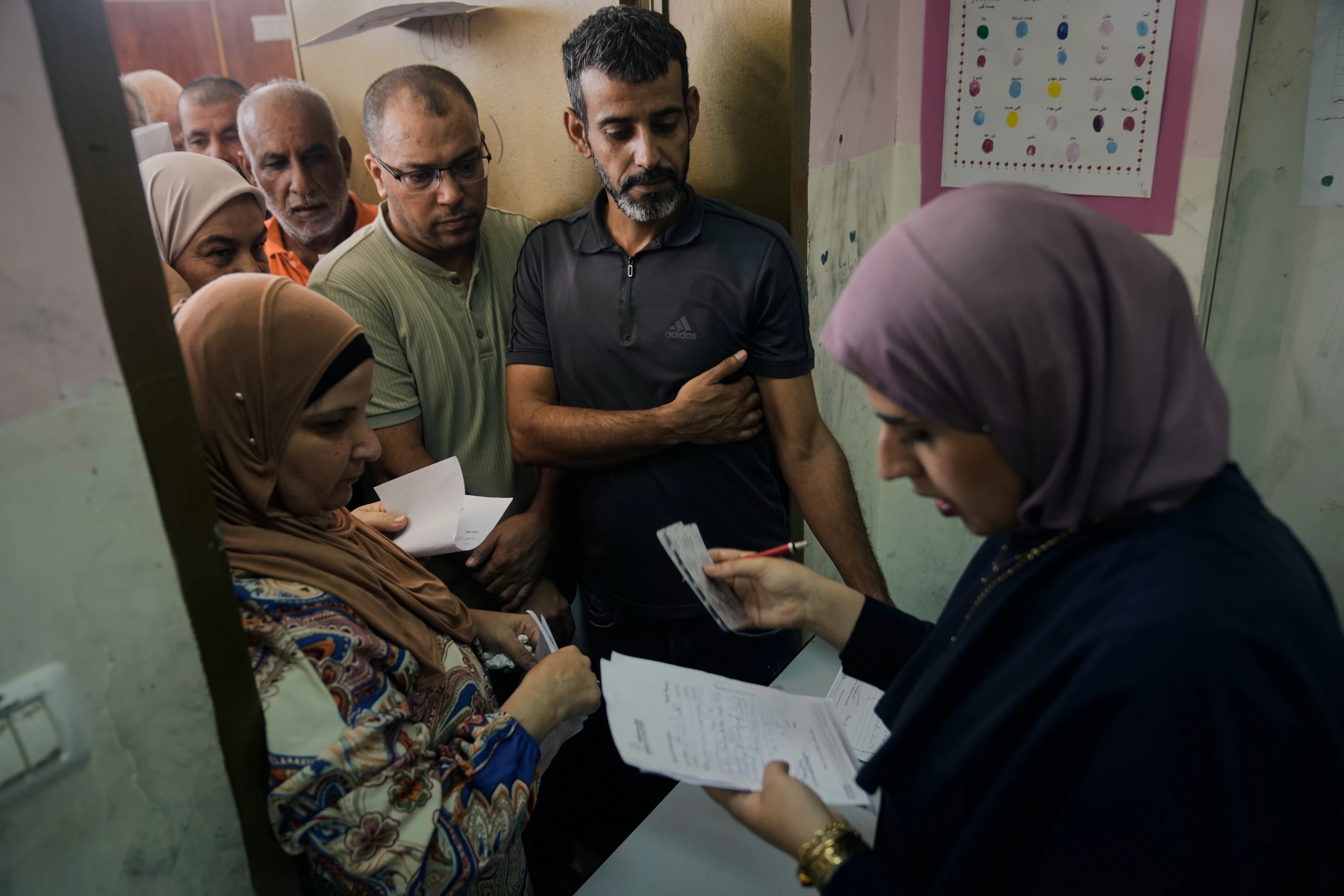
A report by Physicians for Human Rights Israel warns that financial restrictions, movement barriers and reduced medical capacity are pushing the West Bank healthcare system toward collapse, leaving hundreds of thousands of Palestinians struggling to access essential care.
Healthcare System Faces Severe Financial and Operational Pressure
A new report from Physicians for Human Rights Israel warns that the healthcare system in the occupied West Bank is facing a severe crisis, with hospitals, clinics and medical workers struggling under increasing financial and operational pressure. The organization says a combination of funding shortages, restrictions on movement and disruptions affecting medical services has weakened the ability of healthcare providers to deliver consistent treatment. The Palestinian Authority, which manages parts of the West Bank, has faced financial difficulties that have affected its ability to pay healthcare workers, purchase medicines and maintain public health facilities. According to the report, many public healthcare facilities have reduced operations because of these pressures. Healthcare advocates warn that patients with chronic illnesses, emergency medical needs and limited financial resources are among those most affected.
Movement Restrictions Create Barriers to Medical Care
The report highlights concerns that checkpoints, military operations and restrictions on movement have made it more difficult for some Palestinians to reach hospitals and medical services. Medical organizations say delays in reaching healthcare facilities can create serious risks, particularly for emergency cases involving childbirth, injuries or urgent medical conditions. Patients who need specialized treatment outside their communities may face additional challenges because access to certain areas requires permits or coordination. Rights groups argue that reliable access to healthcare depends not only on medical facilities but also on the ability of patients and healthcare workers to move safely and efficiently.
Aid Groups Report Rising Demand for Medical Assistance
Humanitarian organizations operating in the West Bank say demand for medical assistance has increased as public healthcare services face growing strain. Physicians for Human Rights Israel reported that patient numbers at its mobile clinics have increased significantly in recent years. Mobile clinics and humanitarian medical programs have become an important source of care for communities experiencing shortages or limited access to regular healthcare services. Healthcare workers say the increased reliance on emergency and charitable services reflects deeper structural challenges within the healthcare system. Aid organizations warn that without long-term solutions, temporary medical support programs may struggle to meet growing needs.
Israel Faces Criticism Over Policies Affecting Health Services
Rights groups have criticized Israeli policies, including financial measures and security restrictions, arguing that they have contributed to the deterioration of healthcare conditions in the West Bank. Israeli officials have argued that security measures are necessary and that decisions involving financial transfers and restrictions are linked to broader political and security concerns. The dispute reflects a wider conflict over the balance between security policies, political disagreements and humanitarian responsibilities. International organizations have repeatedly called for protecting civilian access to essential services during periods of conflict and instability.
Medical Workers Warn Patients Will Bear the Consequences
Doctors and humanitarian workers say ordinary patients are likely to experience the greatest impact if the healthcare system continues to weaken. They warn that shortages of medicine, reduced clinic hours and limited access to specialists could increase health risks for vulnerable populations. Healthcare experts emphasize that health systems require stable funding, reliable supply chains and unrestricted access for patients and medical professionals. The crisis in the West Bank demonstrates how political and security disputes can directly affect essential services used by civilians.
Calls Grow for International Attention and Long-Term Solutions
Rights organizations are calling for greater international attention to the condition of healthcare services in the West Bank and urging measures to protect medical access for civilians. Experts say rebuilding healthcare capacity will require more than emergency assistance. It will require stable financing, improved infrastructure and policies that allow healthcare workers to operate effectively. The future of the West Bank healthcare system remains closely tied to broader political developments and security conditions in the region. For patients and medical workers, the immediate priority remains ensuring that essential healthcare services remain available despite ongoing challenges.