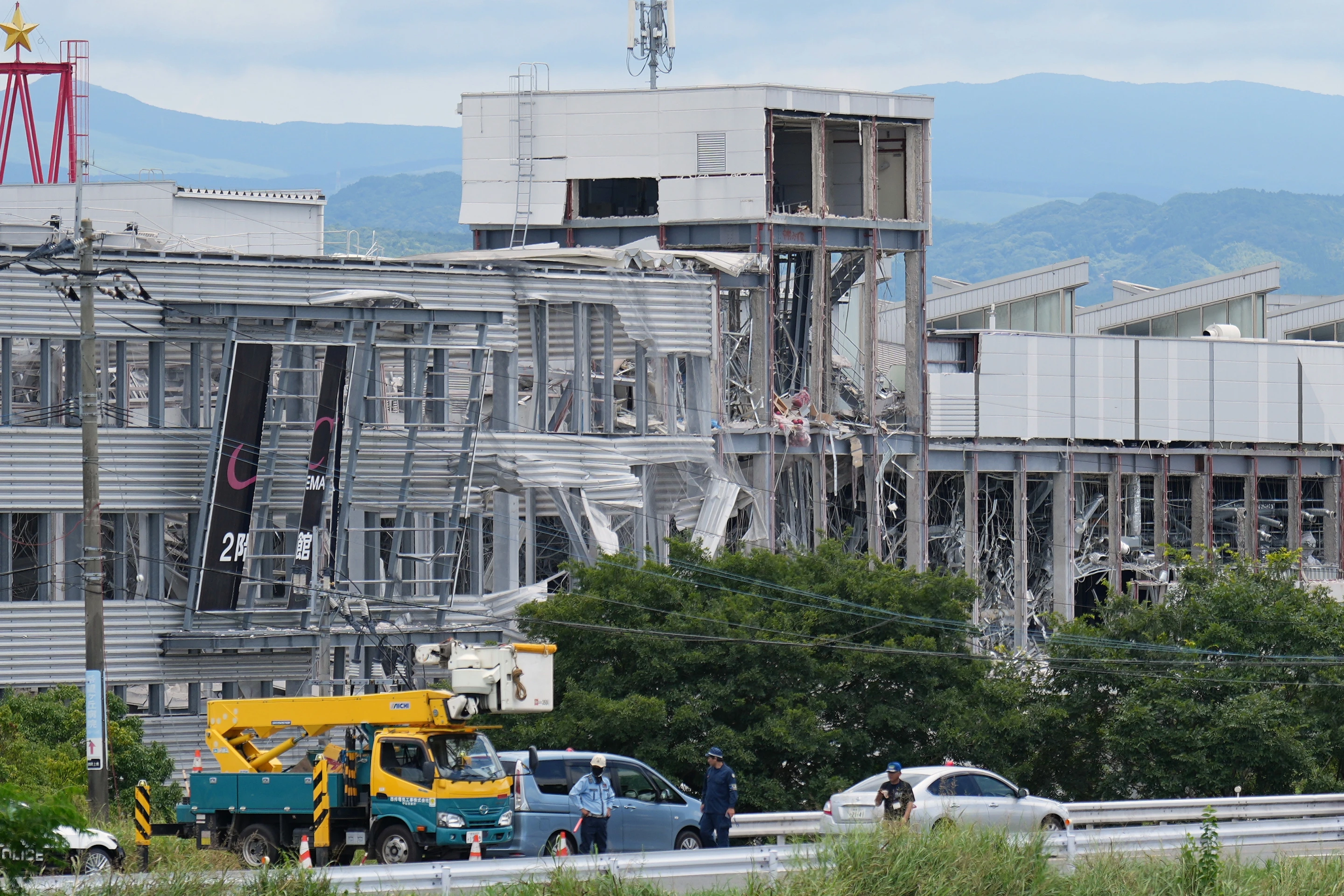
Emergency teams continue searching for missing people after a powerful earthquake struck Japan, with the death toll rising to 13 as rescue operations expand across affected areas.
Rescue Teams Continue Search Operations After Deadly Earthquake
Rescue teams across Japan are continuing urgent search and recovery operations after a powerful earthquake caused widespread damage, with authorities confirming that the death toll has risen to 13. Emergency workers, including firefighters, police officers, and specialized disaster response units, have been deployed to affected communities as they search through collapsed buildings, damaged roads, and areas where residents remain unaccounted for. The earthquake caused significant disruption in several areas, damaging homes, public facilities, and transportation networks. Many residents were forced to evacuate as aftershocks continued to shake the region, creating additional challenges for rescue teams working under difficult conditions. Officials have warned that the number of casualties could increase as crews reach more isolated locations and complete assessments of damaged areas. Japan has extensive experience responding to major earthquakes due to its location along the Pacific Ring of Fire, one of the world’s most active seismic zones. However, officials said the scale of destruction from the latest earthquake has created serious challenges, particularly in communities where infrastructure has been severely affected. Search teams are using advanced equipment, including thermal detection technology and trained rescue dogs, to locate survivors trapped beneath debris. Emergency personnel are working around the clock despite unstable structures and the risk of additional collapses caused by aftershocks. Local authorities have established temporary shelters for displaced residents, providing food, water, medical assistance, and other essential supplies. Thousands of people have been affected by power outages and disruptions to basic services, increasing pressure on emergency response agencies. Government officials have promised continued support for affected communities and said recovery efforts will remain a priority in the coming days. The focus remains on finding missing individuals, treating injured residents, and preventing further loss of life as rescue operations continue. The disaster has once again highlighted Japan’s preparedness for earthquakes while showing the ongoing challenges communities face when powerful seismic events strike unexpectedly.
Communities Face Damage, Displacement, and Aftershock Risks
Residents in earthquake-affected areas are facing widespread damage to homes, businesses, and essential infrastructure as authorities work to manage the immediate humanitarian response. Many families have been forced to leave their properties due to structural damage or safety concerns, creating a growing need for temporary accommodation and emergency assistance. The strongest impacts have been reported in communities where older buildings and transportation routes suffered major damage. Roads have been blocked by debris, slowing the movement of rescue teams and delivery of supplies to areas in need. Some residents have remained isolated as officials attempt to restore access and reconnect communities affected by the earthquake. Aftershocks have added further uncertainty for residents who are already dealing with the loss of homes and personal belongings. Experts have warned that additional tremors could continue for days or weeks following the initial earthquake, requiring people to remain alert and follow safety instructions from authorities. Medical facilities in affected areas have been working under difficult conditions, treating people injured by falling objects, building collapses, and other earthquake-related accidents. Emergency workers have prioritized vulnerable residents, including elderly people and those requiring urgent medical support. Local communities have also organized volunteer efforts to support neighbors and assist with recovery activities. Residents have been sharing resources, helping clear damaged areas, and supporting families who lost access to essential services. Japan’s disaster response system has been activated at multiple levels, with national and regional authorities coordinating efforts to provide assistance. The government has deployed additional personnel and resources while assessing the full extent of the damage. Economic impacts are also emerging as businesses temporarily close and transportation disruptions affect daily activities. Officials say rebuilding efforts will require significant time and investment, particularly in areas where infrastructure has been heavily damaged. For many survivors, the immediate priority remains safety and stability. While rescue operations continue, communities are beginning the difficult process of recovery and rebuilding after one of the country’s latest major natural disasters.
Government Coordinates Relief Efforts as Damage Assessment Expands
Japan’s government has increased coordination efforts as authorities continue evaluating the full impact of the earthquake and directing resources toward affected regions. Officials have established emergency response centers to manage rescue operations, coordinate humanitarian assistance, and monitor developments as additional information becomes available. Prime government officials have emphasized that saving lives remains the highest priority, with rescue teams receiving support from national agencies and local authorities. Emergency supplies, including food, water, medical equipment, and temporary shelter materials, are being transported to communities experiencing shortages. Damage assessments are ongoing because some remote areas remain difficult to access due to landslides, damaged roads, and infrastructure failures. Authorities have warned that the confirmed number of casualties and affected residents may change as rescue workers reach more locations and complete inspections. Japan’s earthquake response system relies heavily on preparation, including strict building regulations, emergency training programs, and public awareness campaigns. These measures have helped reduce risks during major earthquakes, but officials acknowledge that powerful seismic events can still cause severe destruction. International organizations and neighboring countries have expressed support and offered assistance as Japan continues recovery efforts. While Japan has significant experience managing natural disasters, officials say external cooperation can help strengthen humanitarian operations when large-scale emergencies occur. The earthquake has also renewed discussions about disaster resilience, including the importance of infrastructure upgrades and emergency planning. Experts say that continued investment in earthquake-resistant buildings and early warning systems remains essential for reducing future risks. As rescue operations move forward, authorities are shifting attention toward both immediate relief and long-term reconstruction. Restoring damaged infrastructure, supporting displaced families, and helping local economies recover will likely become major priorities in the weeks and months ahead. For affected residents, the recovery process will require patience and continued assistance. While the immediate focus remains on rescue and survival, officials say rebuilding communities will be a long-term national effort.
Japan Begins Long Road Toward Recovery After Earthquake Disaster
As emergency operations continue, Japan is preparing for the difficult transition from rescue efforts to long-term recovery following the devastating earthquake. Authorities and community leaders are beginning to assess the scale of rebuilding required, including repairing damaged homes, restoring public infrastructure, and supporting residents who have lost their livelihoods. The recovery process after a major earthquake often extends far beyond the initial emergency response. Families affected by the disaster may require assistance for months as they rebuild homes and return to normal routines. Local governments are expected to provide financial support programs, housing assistance, and recovery services to help residents regain stability. Businesses in affected regions are also facing significant challenges. Many shops, factories, and service providers have experienced closures due to structural damage or supply disruptions. Economic recovery will depend on restoring transportation links, rebuilding commercial facilities, and encouraging investment in damaged communities. Experts say lessons from previous earthquakes will guide Japan’s recovery strategy. The country has developed extensive experience in disaster management, including rebuilding techniques, community planning, and emergency coordination. Officials are expected to apply these lessons while adapting responses to the specific needs of the affected areas. Mental health support is also becoming an important part of the recovery process. Survivors who experienced loss, displacement, and uncertainty may require long-term assistance to cope with the emotional effects of the disaster. The earthquake has highlighted both the strength and vulnerability of communities facing natural disasters. While Japan’s preparation systems have helped manage the crisis, the destruction caused by powerful earthquakes continues to demonstrate the importance of ongoing investment in safety measures. As rescue teams continue their work and recovery plans develop, attention remains focused on supporting survivors and ensuring affected communities can rebuild stronger. The coming months will determine how quickly damaged regions recover and how effectively Japan transforms the lessons from this disaster into future preparedness efforts.