More than 250,000 people have been forced to evacuate as fast-moving wildfires continue to spread across parts of France and Spain, prompting large-scale emergency operations while investigators examine the causes of multiple blazes amid extreme heat and dry weather.
Mass Evacuations Ordered as Wildfires Spread Across Southern Europe
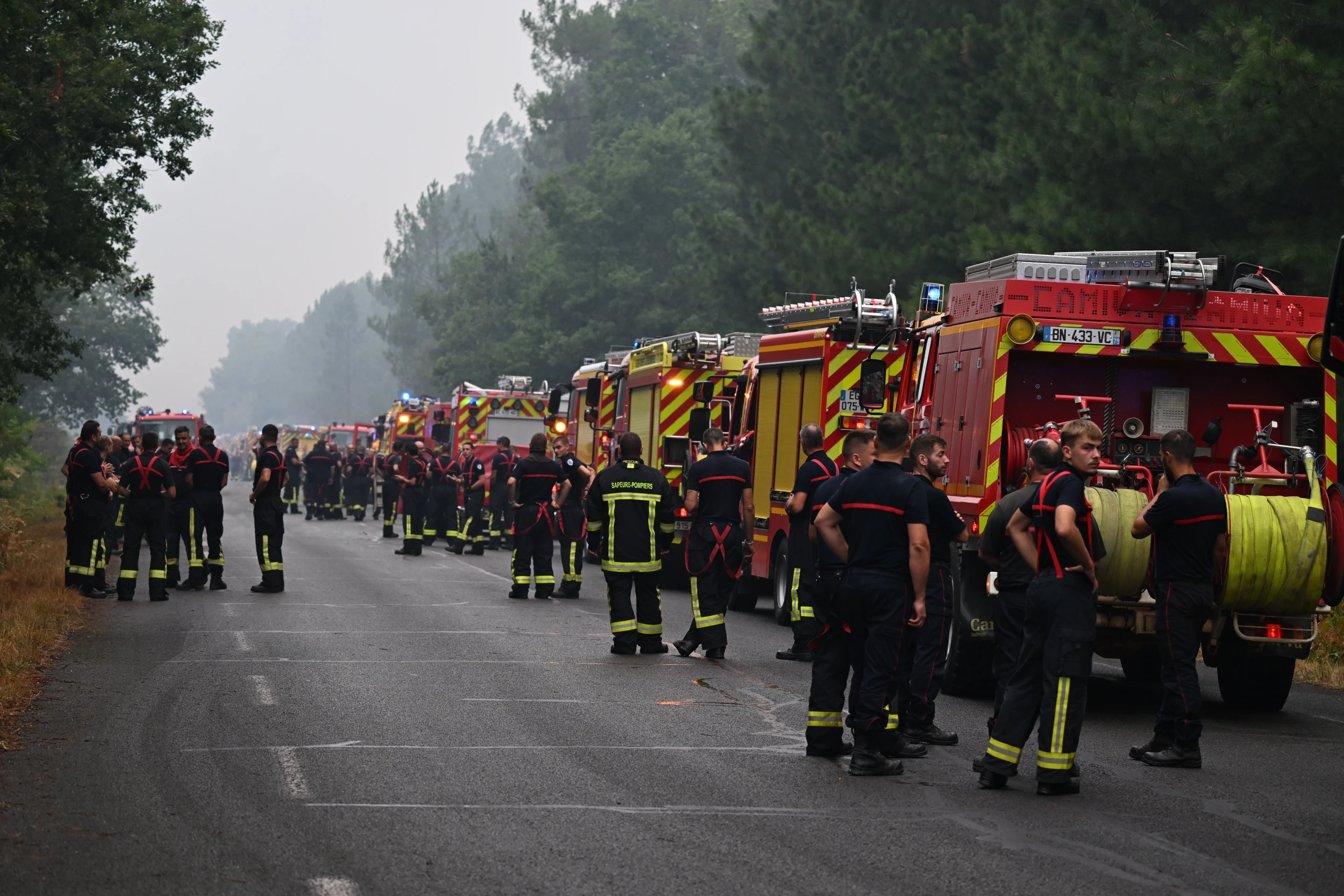
Authorities in France and Spain have ordered the evacuation of more than a quarter-million residents as rapidly spreading wildfires continue to burn across multiple regions, threatening communities, infrastructure, and protected natural areas. Emergency officials described the fires as some of the most challenging of the current wildfire season, driven by extreme heat, prolonged drought, low humidity, and powerful winds that have allowed flames to spread quickly across forests, farmland, and residential areas. Thousands of firefighters, supported by military personnel, aircraft, helicopters, and emergency volunteers, have been deployed to contain dozens of active fire fronts. Temporary evacuation centres have been established to shelter displaced residents while emergency crews work to prevent the fires from reaching additional communities. Authorities have urged residents to follow evacuation orders immediately, warning that changing wind conditions can rapidly alter the direction and intensity of the fires. Transportation routes have been temporarily closed in several affected regions, while smoke has significantly reduced visibility and impacted air quality. Government officials continue coordinating emergency response efforts with regional authorities as firefighters battle to protect homes, critical infrastructure, and environmentally sensitive areas from further destruction.
Investigators Examine Causes Behind Multiple Fire Outbreaks
Fire investigators and law enforcement agencies have launched investigations into the origins of several major wildfires to determine whether the blazes were caused by natural conditions, accidental human activity, equipment failures, or deliberate acts. Officials stressed that each significant wildfire is routinely investigated after ignition to establish its source and identify any potential criminal or regulatory violations. Forensic fire specialists are examining burn patterns, weather conditions, satellite imagery, witness statements, and physical evidence collected from the areas where the fires are believed to have started. Investigators are also reviewing reports of outdoor activities, electrical infrastructure, agricultural operations, and vehicle traffic near the ignition points. Authorities cautioned that determining the precise cause of a wildfire often requires extensive technical analysis and may take several weeks before definitive conclusions can be reached. Officials urged members of the public who witnessed suspicious activity or observed the early stages of any fire to provide information that could assist investigators. While no official determination has been made regarding the causes of the current fires, authorities emphasized that identifying their origin will be important for both any potential legal proceedings and future wildfire prevention strategies.
Emergency Services Battle Extreme Conditions
Firefighters across France and Spain continue to face exceptionally difficult conditions as soaring temperatures, strong winds, and extremely dry vegetation contribute to unpredictable fire behaviour. Emergency response agencies have mobilised thousands of personnel, including specialist wildfire crews, aviation units, civil protection teams, military support, medical responders, and local volunteers. Fire suppression aircraft have conducted continuous water and fire-retardant drops while ground crews construct containment lines in an effort to slow the spread of the flames. Officials reported that shifting winds have repeatedly forced firefighters to adjust operational strategies as fires changed direction and threatened additional communities. Emergency medical teams have treated individuals for smoke inhalation, dehydration, and heat-related illnesses, while authorities continue monitoring vulnerable populations including older adults, hospital patients, and residents requiring assisted evacuation. Local governments have temporarily closed schools, parks, tourist attractions, and recreational areas located near active fire zones. Utility providers are also working to protect electrical infrastructure and restore services where power outages have occurred due to fire damage or precautionary shutdowns designed to reduce additional wildfire risks.
Thousands of Homes and Natural Areas at Risk
The advancing wildfires continue to threaten residential neighbourhoods, agricultural land, commercial properties, and environmentally significant forests across affected regions of France and Spain. Emergency officials reported that numerous homes have already sustained damage, while thousands of additional structures remain under evacuation orders as firefighters attempt to prevent further losses. Agricultural producers have expressed concern over damage to crops, livestock, vineyards, and irrigation systems, raising fears of long-term economic impacts in some rural communities. Environmental experts also warned that extensive forest destruction could affect wildlife habitats, biodiversity, water quality, and soil stability long after the fires are extinguished. Smoke generated by the fires has travelled across large areas, leading public health officials to advise residents to remain indoors where possible and limit outdoor activity during periods of poor air quality. Authorities continue assessing structural damage as conditions permit, although many affected areas remain inaccessible due to ongoing firefighting operations. Government officials stated that comprehensive damage assessments will begin once emergency crews have secured the affected regions and immediate public safety risks have subsided.
Governments Coordinate Large-Scale Emergency Response
National and regional authorities in both France and Spain have activated emergency response plans to coordinate evacuation efforts, firefighting operations, humanitarian assistance, and public safety measures. Government agencies are working closely with local municipalities, emergency management organisations, military units, healthcare providers, and civil protection authorities to ensure that displaced residents receive temporary shelter, food, medical care, and essential services. Officials have also requested additional firefighting resources from neighbouring regions and international partners as part of broader European emergency cooperation mechanisms. Authorities continue issuing frequent public updates regarding evacuation zones, road closures, weather conditions, and wildfire containment efforts through official communication channels. Meteorological agencies are closely monitoring forecasts for changes in wind direction, temperature, and humidity that may influence firefighting operations over the coming days. Leaders from both countries praised the efforts of emergency personnel while urging the public to remain vigilant and strictly comply with evacuation instructions. Officials emphasised that protecting human life remains the highest priority throughout the ongoing emergency response.
Climate Conditions Increase Wildfire Risks Across Europe
Environmental scientists say the widespread wildfires reflect increasingly severe fire conditions experienced across southern Europe during recent summers. Extended periods of high temperatures, below-average rainfall, prolonged drought, and dry vegetation have significantly increased wildfire risks in many regions, allowing fires to spread more rapidly once ignited. Climate researchers note that while individual wildfire causes vary, prolonged heatwaves and changing weather patterns can create conditions that make firefighting more difficult and increase the likelihood of large-scale fire events. Governments across Europe have expanded investments in wildfire prevention programmes, early detection systems, aerial firefighting capabilities, and forest management initiatives aimed at reducing future risks. Experts also recommend improved land management, vegetation clearing, public awareness campaigns, and stronger emergency preparedness planning to reduce wildfire impacts on communities. As firefighting operations continue, authorities remain focused on protecting lives, containing active fire fronts, and supporting displaced residents while investigators work to determine the causes of the current fires. The disaster is expected to remain under close monitoring as weather conditions continue to influence the progress of firefighting efforts across both countries.