Powerful photographs from the Korean Peninsula highlight the enduring division between North and South Korea 73 years after the Korean War armistice. The images capture stark contrasts in daily life, military presence, and infrastructure while underscoring the unresolved legacy of one of the world's longest-running conflicts.
A Peninsula Still Divided After 73 Years
Seventy-three years after the Korean War armistice was signed, striking photographs from both sides of the Demilitarized Zone (DMZ) reveal a peninsula that remains politically, militarily, and socially divided. Although the 1953 armistice halted active fighting, it was never replaced by a formal peace treaty, meaning North and South Korea remain technically at war. Images released around the anniversary show heavily fortified border positions, watchtowers overlooking the DMZ, and soldiers maintaining constant vigilance along one of the world's most heavily militarized frontiers. The photographs also capture ordinary life on both sides, highlighting the dramatic differences that have developed over decades of separation. While South Korea has evolved into a global economic and technological powerhouse, North Korea remains one of the world's most isolated nations. The visual contrast extends from modern skylines and bustling cities in the South to tightly controlled communities and state-managed infrastructure in the North. Families separated by the war continue to live without regular contact, with many elderly relatives never having reunited. Annual commemorations of the armistice serve as reminders that despite periods of diplomacy, the underlying conflict remains unresolved. Analysts say the enduring division continues to shape regional security, international diplomacy, and military planning across Northeast Asia. The latest collection of photographs offers a powerful visual reminder that while generations have passed since the guns largely fell silent, the Korean Peninsula remains one of the last major symbols of the Cold War era.
The Demilitarized Zone Remains Heavily Guarded
The Korean Demilitarized Zone stretches approximately 250 kilometers across the peninsula and continues to represent one of the world's most fortified borders. Recent photographs show barbed-wire fences, surveillance cameras, guard posts, minefields, and military patrols operating around the clock. Soldiers from both North and South Korea remain stationed near the Military Demarcation Line, maintaining strict vigilance despite periodic diplomatic engagement between the two governments. The Joint Security Area at Panmunjom remains one of the few locations where personnel from both sides can face one another directly, though military tensions have limited interaction in recent years. The images also illustrate the contrast between untouched forests within parts of the DMZ, which have become unexpected wildlife habitats due to limited human activity, and the extensive military infrastructure surrounding them. Observation towers continue attracting visitors on the South Korean side, where tourists can view North Korean territory through binoculars. Military officials describe the border as stable but unpredictable, requiring continuous monitoring due to occasional incidents involving surveillance, border crossings, or military exercises. The heavily fortified landscape serves as a daily reminder that the armistice agreement ended active combat but did not establish lasting peace. Security experts believe maintaining stability along the DMZ remains essential not only for the Korean Peninsula but also for broader regional security involving neighboring countries and international allies.
Daily Life Reflects Two Different Paths
Photographs from both Koreas vividly demonstrate how seven decades of separation have produced two dramatically different societies. In South Korea, modern skylines, advanced transportation networks, high-speed rail systems, and globally recognized technology industries symbolize decades of rapid economic development. Cities such as Seoul feature bustling commercial districts, cultural landmarks, and digital innovation that have transformed the country into one of Asia's leading economies. By contrast, imagery from North Korea presents a far more controlled environment, with government-directed construction projects, state monuments, military parades, and tightly regulated public spaces. While daily life for ordinary North Koreans remains difficult to observe independently, available photographs often emphasize national ideology, agricultural production, and centrally planned development. These contrasting visuals underscore how differing political systems and economic models have shaped each country's trajectory since the armistice. Despite their shared language, history, and cultural heritage, generations have now grown up under entirely separate governments and social systems. Experts note that younger South Koreans increasingly view reunification differently than older generations, reflecting changing political priorities and economic realities. Nevertheless, cultural and historical connections continue to influence public discussions about the peninsula's future. The images serve as a visual representation of how one nation evolved into two distinctly different societies while remaining linked by geography and history.
Families Continue to Live Apart
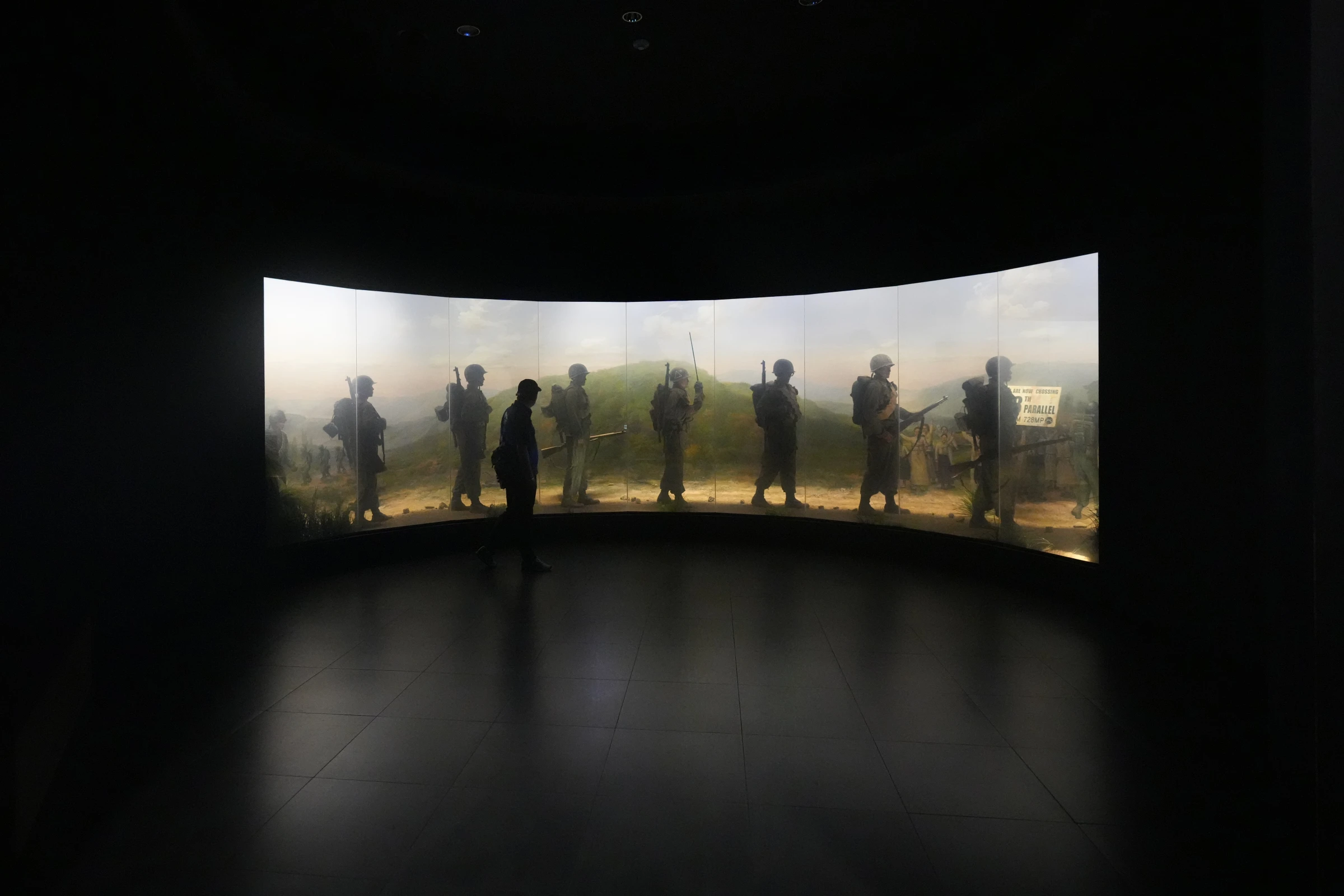
Among the most enduring human consequences of the Korean War is the separation of millions of families divided by the peninsula's border. The latest photographs marking the armistice anniversary include memorials, museums, and emotional displays dedicated to families who were separated during the conflict. Many elderly Koreans on both sides have spent decades without seeing siblings, parents, or children after wartime displacement permanently divided communities. Limited family reunions organized during periods of improved diplomatic relations have allowed only a small number of participants to briefly reconnect, often after more than half a century apart. These reunions have become increasingly rare as political tensions fluctuate and participants grow older. Humanitarian organizations continue advocating for expanded communication opportunities, arguing that family contact should remain separate from broader political negotiations. Museums throughout South Korea preserve letters, photographs, and personal belongings belonging to families divided by the war, ensuring that younger generations understand the conflict's lasting human impact. For many survivors, the armistice anniversary is not simply a historical event but a deeply personal reminder of unfinished reunions and lost opportunities. The photographs accompanying this year's commemoration highlight these stories alongside broader images of the divided peninsula, emphasizing that the conflict's legacy extends far beyond military and political issues into the lives of ordinary families.
Diplomatic Efforts Face Continuing Challenges
Although North and South Korea have periodically engaged in dialogue since the armistice, lasting progress toward peace has remained elusive. Diplomatic initiatives over the decades have included summit meetings, military confidence-building measures, humanitarian cooperation, and discussions about reducing tensions along the border. However, these efforts have frequently stalled due to disagreements over nuclear weapons, sanctions, security guarantees, and broader geopolitical disputes involving regional powers. Recent years have seen increased military activity, missile testing, and stronger defense cooperation between South Korea and its international allies, while North Korea has continued expanding its strategic weapons capabilities. Analysts believe these developments have made meaningful negotiations increasingly difficult despite occasional calls for renewed dialogue. The photographs released around the armistice anniversary highlight both the physical permanence of the border and the broader diplomatic challenges that continue to shape the peninsula's future. International leaders consistently emphasize the importance of maintaining stability while encouraging peaceful engagement whenever possible. Experts argue that reducing tensions will require sustained diplomacy, confidence-building measures, and cooperation among multiple regional stakeholders. Until significant political breakthroughs occur, the Korean Peninsula is expected to remain one of the world's most closely watched security flashpoints, where historical divisions continue influencing present-day international relations.