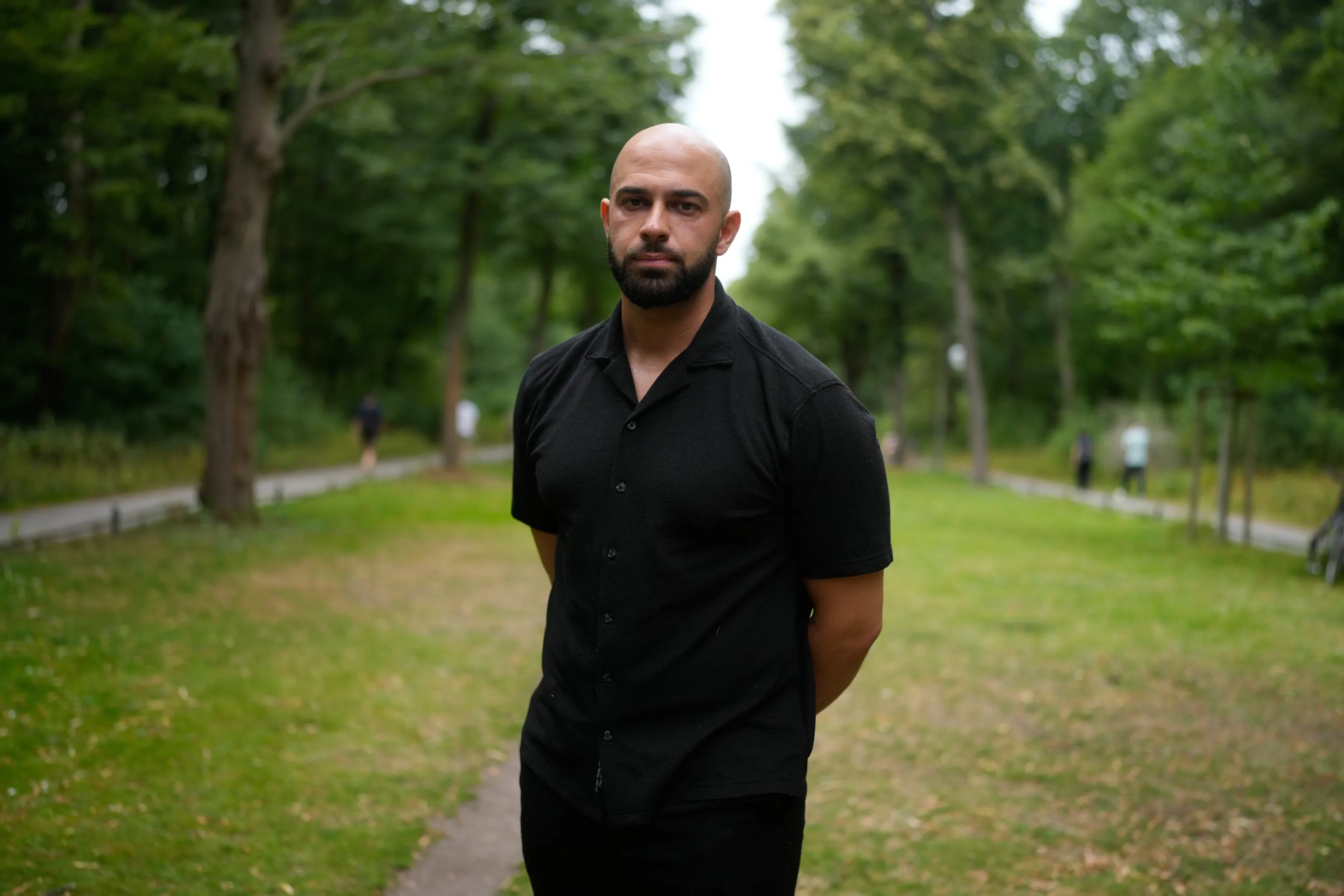
Berlin is mourning after a deadly attack near the city's annual Pride festival left one person dead and multiple others injured. The tragedy has shaken one of Europe's most LGBTQ+-friendly cities, prompting vigils, renewed security concerns, and calls to defend the values of diversity, inclusion, and freedom.
A Celebration Turns Into Tragedy
Berlin's annual Christopher Street Day (CSD) Pride celebration, a festival that normally symbolizes equality, diversity, and freedom, was overshadowed by tragedy after a deadly attack near the event left one person dead and many others injured. Authorities say the violence unfolded after the main parade concluded, transforming an evening of celebration into one of fear and mourning. Emergency responders rushed to the scene as police secured the area and began investigating what officials believe was an extremist attack. The incident immediately prompted the cancellation of remaining Pride events, while thousands of participants struggled to process the sudden violence. Berlin's LGBTQ+ community, long regarded as one of the most visible and vibrant in Europe, gathered at memorial sites to honor the victim and support those injured. Flowers, rainbow flags, candles, and handwritten messages quickly filled the areas surrounding the attack, creating spontaneous tributes to the victims. Political leaders, community organizers, and international allies condemned the violence, describing it as an attack not only on individuals attending the festival but also on the values of openness, tolerance, and democratic freedom that Berlin has come to represent. Residents described the attack as deeply personal because Pride has long been viewed as a celebration where people from all backgrounds can safely express themselves. As investigators continue gathering evidence and reconstructing the sequence of events, the emotional impact has spread well beyond the immediate victims, leaving many Berliners questioning how their city can recover from an act of violence that struck at the heart of one of its most cherished public celebrations.
Community Mourns While Showing Resilience
In the hours following the attack, thousands of Berlin residents gathered at memorials across the city to mourn the victim, comfort grieving families, and reaffirm their commitment to the principles of equality and inclusion. Vigils held near the Brandenburg Gate and other symbolic locations brought together LGBTQ+ organizations, religious leaders, elected officials, and ordinary citizens united in grief. Many participants carried rainbow flags alongside candles, emphasizing that while fear had entered the city's streets, it would not erase decades of progress toward acceptance. Community members described feelings of shock, sadness, and anger but also expressed determination not to allow hate or extremism to silence the LGBTQ+ community. Organizers stressed that Pride has always represented resilience in the face of discrimination, making solidarity especially important after such a traumatic event. Mental health organizations established crisis support services for witnesses, survivors, and volunteers affected by the violence. Numerous businesses, cultural institutions, and sports organizations publicly displayed Pride flags and messages of support, reinforcing the idea that Berlin's identity extends beyond any single event. Social media campaigns encouraged residents to continue supporting LGBTQ+ communities while rejecting fear and division. Religious communities from multiple faiths also participated in memorial services, demonstrating broad public unity against violence. Although many acknowledged that rebuilding a sense of security will take time, participants emphasized that Berlin's history has repeatedly shown its ability to recover from tragedy through solidarity, compassion, and an unwavering commitment to protecting diversity and human rights.
Security Concerns Come Into Focus
The deadly attack has prompted renewed debate over public safety at major events throughout Germany and Europe. Authorities immediately increased police patrols around memorial gatherings, transportation hubs, entertainment districts, and other locations expected to attract large crowds. Security officials are reviewing how the attack unfolded, examining surveillance footage, interviewing witnesses, and assessing whether additional preventive measures could have reduced the risk. Questions are also being raised about intelligence sharing, monitoring of extremist threats, and security planning for high-profile public celebrations. German political leaders have vowed that those responsible will be held fully accountable while emphasizing that acts of terrorism must not be allowed to undermine democratic freedoms. Event organizers across the country are expected to reassess emergency response plans, vehicle barriers, crowd management procedures, and evacuation protocols before hosting future public gatherings. Security experts note that balancing strong protective measures with maintaining open, welcoming civic spaces remains one of the greatest challenges facing modern cities. Community representatives cautioned that enhanced security should never come at the expense of civil liberties or become a source of fear for marginalized communities. Instead, they argue that public safety must be strengthened while preserving the inclusive atmosphere that Pride events are intended to promote. Authorities continue urging the public to remain vigilant, report suspicious activity, and cooperate with ongoing investigations while avoiding speculation that could interfere with law enforcement efforts or increase social tensions.
Berlin's LGBTQ+ Legacy Faces a Difficult Test
Berlin has long been regarded as one of Europe's most welcoming cities for LGBTQ+ communities, with a history stretching back more than a century through activism, culture, and human rights advocacy. Christopher Street Day has become one of the continent's largest Pride celebrations, attracting hundreds of thousands of participants from Germany and around the world each year. The latest attack therefore carries symbolic significance beyond its immediate victims, challenging a city whose identity is closely connected to openness and diversity. Historians note that Berlin's LGBTQ+ community has endured periods of persecution, discrimination, and political repression while repeatedly rebuilding stronger institutions and social networks. Community leaders believe this legacy of resilience will again become an important source of strength as residents begin recovering from the latest tragedy. Many organizations have already announced expanded educational initiatives, anti-hate campaigns, and support services aimed at reinforcing solidarity rather than allowing fear to dominate public life. International LGBTQ+ groups have also expressed support, emphasizing that attacks targeting one community resonate globally. Cultural institutions are planning exhibitions, public discussions, and remembrance events highlighting both the city's history and its continuing commitment to inclusion. While many residents acknowledge that confidence may take time to restore, they remain determined that Berlin's identity as a place where people of all backgrounds can live openly will endure despite the violence. Community members continue emphasizing that the most meaningful response to hate is unity rather than retreat.
Looking Ahead After the Attack
As investigators continue examining the circumstances surrounding the attack, Berlin now faces the longer process of healing both emotionally and socially. Government officials have pledged continued support for victims, their families, and those injured, while local organizations are coordinating fundraising efforts, counseling services, and community outreach programs. Political leaders stressed that justice for those affected will remain a priority alongside efforts to strengthen public safety. Urban planners, security professionals, and civic organizations are also expected to evaluate how future large-scale public events can remain both secure and accessible without compromising the openness that defines democratic societies. Residents have expressed hope that the city will emerge stronger through collective resilience, remembering the victims while reaffirming the values that brought millions to Berlin Pride over the decades. Many believe the tragedy should become a catalyst for renewed efforts to combat hate crimes, violent extremism, and discrimination in all forms. International expressions of solidarity continue arriving from governments, advocacy organizations, and Pride organizers across the world, reinforcing that Berlin is not facing the aftermath alone. While the emotional wounds remain fresh and many questions have yet to be answered, community leaders insist that fear cannot be allowed to define the city's future. For countless Berliners, the road to recovery will involve honoring those affected, supporting survivors, strengthening public trust, and preserving the city's enduring reputation as a place where diversity, equality, and freedom continue to thrive despite adversity.