Famine conditions previously reported in Gaza have ended after improved aid access and reduced fighting, but humanitarian officials warn that the situation remains extremely fragile and could deteriorate quickly if assistance is disrupted. ([apnews.com](https://apnews.com/article/6570d65b767c7018e3929416ea475778?utm_source=chatgpt.com))
Famine Conditions Ease but Gaza Remains in Humanitarian Crisis
Famine conditions previously identified in parts of Gaza have ended, according to the Integrated Food Security Phase Classification, a global authority that monitors hunger emergencies, but humanitarian officials warn that the improvement does not mean the crisis is over. The latest assessment found that food availability has increased following improved humanitarian access and reduced fighting, creating a significant improvement compared with the worst periods of hunger. However, millions of Palestinians in Gaza continue facing severe food insecurity, with many families still struggling to obtain enough nutritious food, clean water, and essential supplies. ([apnews.com](https://apnews.com/article/6570d65b767c7018e3929416ea475778?utm_source=chatgpt.com)) The IPC warned that the gains remain fragile and that even small disruptions to aid deliveries could quickly reverse progress. The situation remains especially difficult because years of conflict have damaged infrastructure, displaced large numbers of people, and disrupted local food production systems. Humanitarian agencies say that while famine conditions have improved, Gaza remains in a serious food crisis requiring continued international assistance. The latest developments highlight the difference between ending famine classification and achieving long-term food security. Aid organizations continue calling for stable access, increased funding, and improved conditions to prevent the population from falling back into extreme hunger.
Aid Increases Help Improve Food Availability Across Gaza
Humanitarian organizations say increased access to food assistance has played a major role in improving conditions across Gaza. The IPC assessment found that additional aid deliveries and reduced levels of fighting contributed to better food availability compared with previous months. ([apnews.com](https://apnews.com/article/6570d65b767c7018e3929416ea475778?utm_source=chatgpt.com)) International agencies, including United Nations organizations and relief groups, have expanded efforts to deliver food supplies, nutritional support, and other essential assistance. However, officials emphasize that access remains uneven, with some communities receiving more support than others. Many families continue depending on humanitarian aid because local markets, agricultural systems, and economic activity have been severely affected by the conflict. Food prices remain high in many areas, making it difficult for households to purchase enough supplies even when goods are available. Humanitarian officials warn that continued improvement depends on maintaining reliable supply routes and ensuring that aid operations can continue without major interruptions. The progress made in reducing famine conditions demonstrates the impact of humanitarian access, but agencies say sustained support is necessary to prevent another deterioration.
Millions Still Face Hunger Despite Famine Ending
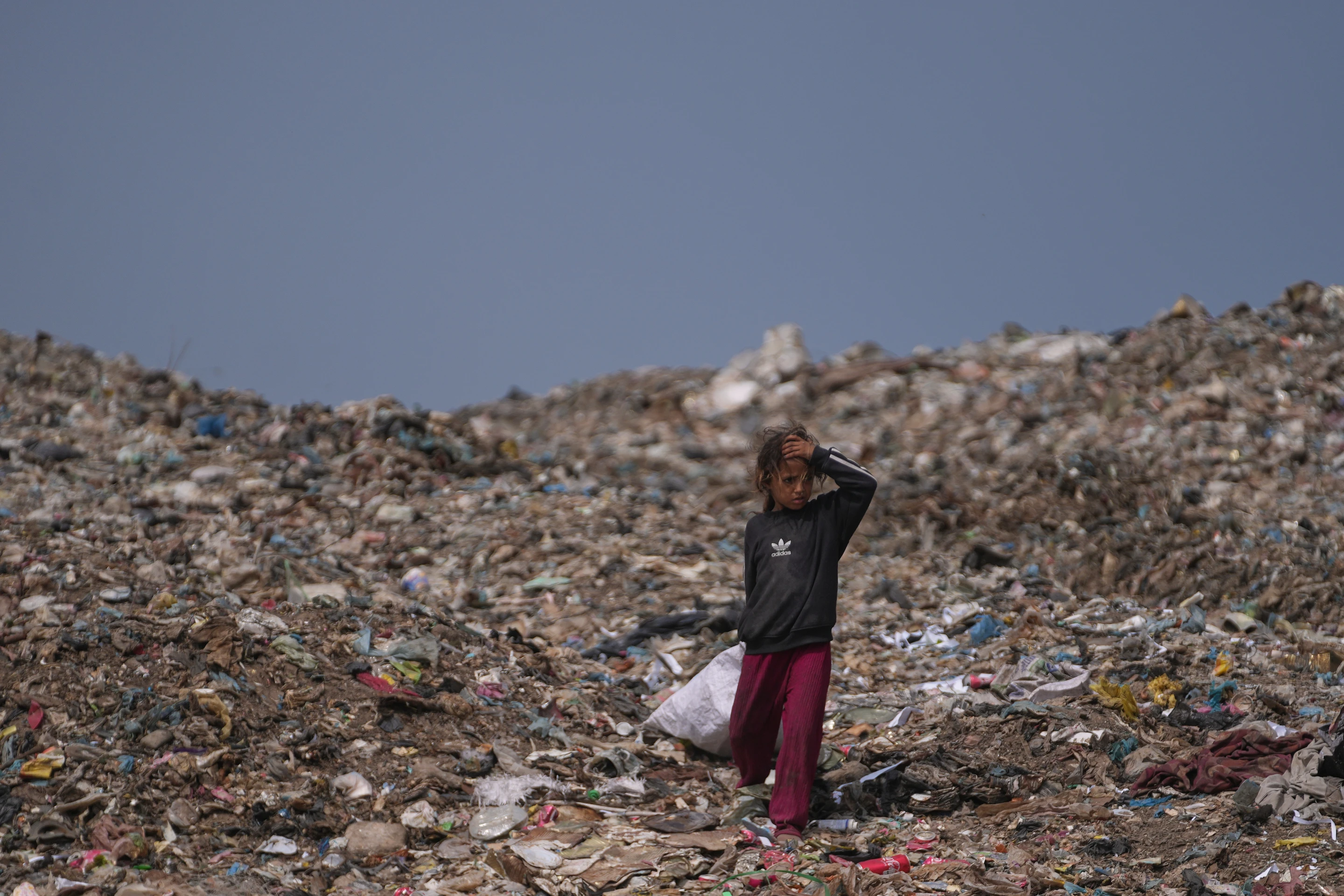
Although famine conditions have ended, Gaza continues experiencing a severe hunger crisis, with many residents still facing emergency levels of food insecurity. The IPC report indicated that a large portion of the population remains unable to consistently access adequate food. ([reuters.com](https://www.reuters.com/world/middle-east/two-thirds-gaza-may-face-acute-hunger-by-year-end-despite-improvements-global-2026-07-23/)) Humanitarian experts say ending famine represents an important improvement but does not mean normal conditions have returned. Many households remain dependent on food assistance, and vulnerable groups such as children, pregnant women, and elderly residents continue facing elevated risks from malnutrition. Years of conflict have damaged homes, businesses, agricultural land, water systems, and healthcare facilities, making recovery extremely difficult. Health officials have warned that prolonged periods of inadequate nutrition can have long-term consequences, especially for children whose physical development may be affected. Aid organizations stress that preventing another hunger emergency requires more than emergency food deliveries. Long-term recovery will depend on rebuilding infrastructure, restoring economic activity, and ensuring continued humanitarian access.
Fragile Improvements Could Reverse Quickly Without Continued Aid
Humanitarian officials are warning that Gaza’s recent progress remains highly vulnerable to any disruption in aid access, funding, or security conditions. The IPC said even small interruptions could rapidly reverse improvements and push communities back toward severe hunger. ([apnews.com](https://apnews.com/article/6570d65b767c7018e3929416ea475778?utm_source=chatgpt.com)) Aid agencies have raised concerns about funding shortages, operational challenges, and difficulties maintaining large-scale relief programs. The World Food Programme has warned that reduced donor support could force further cuts to assistance programs, increasing risks for vulnerable populations. ([reuters.com](https://www.reuters.com/world/middle-east/wfp-warns-deeper-cuts-gaza-aid-due-donor-fatigue-2026-07-24/)) The situation demonstrates how quickly humanitarian conditions can change during prolonged conflicts. While increased food supplies have improved conditions, Gaza’s dependence on external assistance remains a major challenge. Officials say maintaining progress requires continued international support and stable access for humanitarian organizations. Without those conditions, improvements achieved in recent months could be lost.
Children Remain Among Most Vulnerable Groups
Children in Gaza continue facing some of the most serious consequences of the prolonged food crisis. Humanitarian organizations have warned that extended periods of inadequate nutrition can create lasting health problems, including impaired growth and developmental challenges. ([apnews.com](https://apnews.com/article/6570d65b767c7018e3929416ea475778?utm_source=chatgpt.com)) Even as famine conditions have ended, experts say many children require continued nutritional support and medical care. The impact of hunger has been intensified by damaged healthcare systems, limited access to clean water, and difficult living conditions for displaced families. Aid groups have prioritized programs providing specialized nutrition assistance for children and other vulnerable groups. However, they caution that recovery from severe food shortages takes time and requires consistent support. The humanitarian situation remains complicated because many families have lost homes, income sources, and access to normal community services. Protecting children from long-term consequences of the crisis remains a major priority for international organizations operating in Gaza.
Long-Term Recovery Depends on Stability and Reconstruction
The end of famine conditions marks an important improvement, but humanitarian officials say Gaza faces a long road toward recovery. Addressing the underlying causes of food insecurity will require rebuilding damaged infrastructure, restoring essential services, and creating conditions where families can access reliable sources of food without depending entirely on emergency aid. ([apnews.com](https://apnews.com/article/6570d65b767c7018e3929416ea475778?utm_source=chatgpt.com)) The crisis has shown how conflict can rapidly disrupt food systems and create widespread humanitarian consequences. International organizations say sustained peace efforts, continued aid access, and reconstruction support will be necessary to prevent future hunger emergencies. While the end of famine represents a positive development, officials emphasize that Gaza remains in a severe humanitarian crisis. The situation could improve further if assistance continues and stability increases, but it could also worsen quickly if current support systems weaken. The coming months will be critical in determining whether recent gains become permanent improvements or only a temporary recovery.