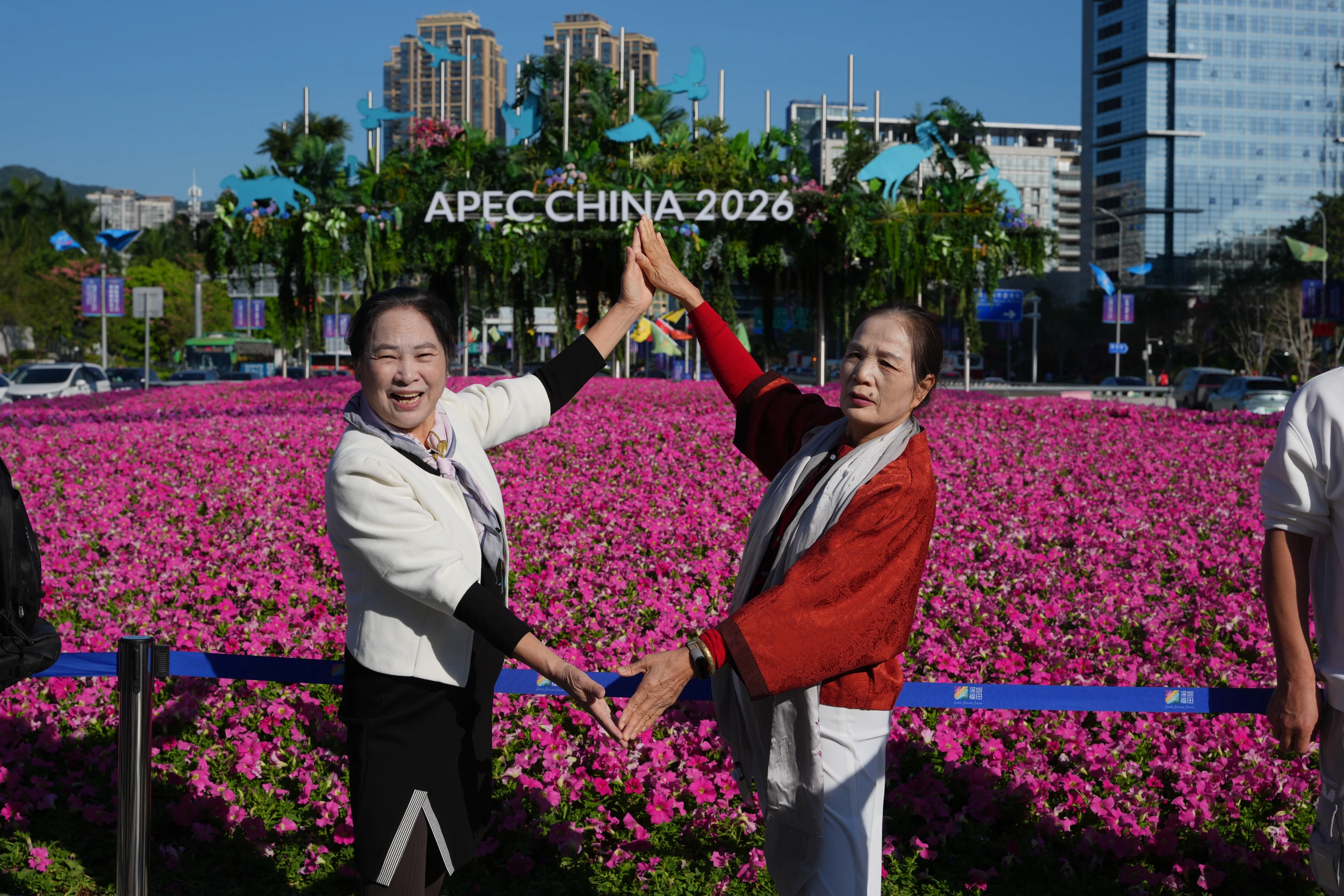
As Shenzhen prepares to host Asia-Pacific Economic Cooperation delegates, its sprawling fleet of autonomous robotaxis, commercial humanoid robots, and deep hardware supply chain showcase Beijing's determination to lead global advanced technology.
A Living Showcase of Next-Generation Autonomous Urban Mobility
Across the futuristic thoroughfares of Shenzhen, thousands of fully driverless robotaxis glide seamlessly through dense metropolitan traffic without human safety operators behind the wheel. As the southern technology hub gears up to welcome global heads of state, international finance ministers, and business leaders for the upcoming Asia-Pacific Economic Cooperation (APEC) summit, the city’s urban landscape has effectively transformed into an open-air laboratory for China’s technological ascendancy. Commuters summon autonomous electric vehicles through mobile applications with the casual routine of hail riding, navigating multi-level highway interchanges guided entirely by roof-mounted LiDAR sensors, high-definition satellite mapping, and 5G connected infrastructure.
Humanoid Robots and Automated Logistics Take Center Stage
The technological demonstration extends far beyond passenger vehicles. Inside airport transit terminals, exhibition centers, and hotel lobbies designated for APEC delegates, humanoid service robots and automated delivery bots manage visitor inquiries, transport luggage, and conduct automated security patrols. In the city's vast industrial and logistics parks, robotic arms and autonomous mobile robots handle round-the-clock sorting and packaging operations. Chinese robotics pioneers based in Shenzhen are leveraging the summit’s global platform to demonstrate commercial-scale automation capabilities that transition robotics from specialized industrial research into everyday public services.
The World’s Hardware Capital Powers Global Tech Independence
Shenzhen’s transformation into a robotics powerhouse is anchored in its unparalleled ecosystem of hardware manufacturing, rapid prototyping, and specialized component fabrication. Often dubbed 'China's Silicon Valley,' the Pearl River Delta metropolis provides technology firms with immediate access to precision sensor producers, electric vehicle battery innovators, and specialized semiconductor foundries within driving distance. Local enterprise leaders say this proximity allows engineering teams to advance from initial hardware concepts to market-ready prototypes in a fraction of the time required by Western competitors, reinforcing Beijing's push for industrial self-reliance amid tightening international export controls.
APEC Stage Highlights Growing Geopolitical Race for Future Tech
For policymakers in Beijing, hosting APEC in Shenzhen offers a strategic opportunity to project economic resilience and industrial prowess to Asia-Pacific trade partners. As major economies debate the future of global supply chains, artificial intelligence governance, and clean energy standards, Shenzhen stands as tangible evidence of state-supported investment in physical technology. While visiting delegations will scrutinize questions of regulatory oversight, data privacy, and global market competition, the city's operational automated systems leave little doubt regarding China's ambition to define the next era of high-tech manufacturing and urban innovation.