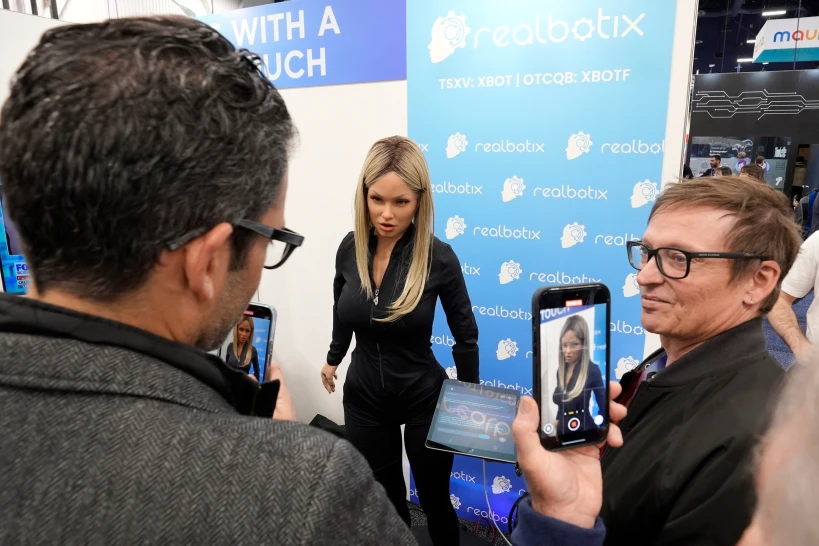
A New York school has paused plans to introduce a humanlike AI robot teacher after parents, educators, and technology experts raised concerns about privacy, education quality, and the role of artificial intelligence in classrooms.
School Delays AI Robot Teacher Program After Public Opposition
A New York school has paused its plan to introduce a humanlike artificial intelligence robot teacher after facing strong criticism from parents, educators, and technology experts. The proposed program was designed to explore how advanced AI systems could support classroom learning, but the announcement triggered concerns about whether robots should take on roles traditionally performed by human teachers. The AI-powered robot was intended to assist students through interactive lessons, personalized learning support, and automated educational activities. Supporters of the initiative argued that artificial intelligence could help teachers manage workloads, provide additional resources for students, and offer customized instruction based on individual learning needs. However, the proposal quickly attracted backlash from members of the school community who questioned whether a machine could effectively replace the human connection that plays a central role in education. Parents expressed concerns about children interacting with humanlike machines during important developmental years, while teachers questioned whether technology companies were moving too quickly into areas requiring emotional understanding and personal guidance. School officials said the decision to pause the program was made after listening to feedback from the community. They emphasized that the goal was not to replace educators but to explore possible ways technology could support teachers and improve educational outcomes. The controversy reflects a larger national debate over the use of artificial intelligence in schools. As AI tools become increasingly common, educators and policymakers are examining how these technologies should be introduced while maintaining student safety, privacy, and academic standards. Experts say AI systems have the potential to provide valuable educational support, particularly in areas such as tutoring, language learning, and accessibility services. However, they also warn that schools must establish clear guidelines before deploying advanced AI systems involving children. The decision by the New York school highlights the challenges institutions face when adopting emerging technologies. While artificial intelligence continues to transform many industries, education remains a field where human relationships and trust are considered essential parts of the learning process.
Parents and Teachers Raise Concerns Over AI in Classrooms
The planned introduction of a humanlike AI robot teacher sparked concerns among parents and educators who questioned the long-term impact of replacing traditional classroom interactions with automated systems. Many argued that education involves more than delivering information and requires empathy, communication, and the ability to understand students’ emotional and social needs. Parents expressed concerns about how students would respond to an AI-powered instructor and whether young learners could develop the same level of trust and connection with a machine as they do with human teachers. Some families questioned whether children would receive adequate emotional support when facing challenges that require personal attention rather than automated responses. Teachers also raised concerns about the possibility that AI technology could eventually reduce the role of educators. Many argued that technology should be used as a tool to support teachers rather than replace them. Educators emphasized that classroom success depends on relationships, creativity, and the ability to adapt lessons based on students’ reactions. Privacy was another major concern. Since AI systems often rely on collecting and analyzing large amounts of information, parents questioned how student data would be stored, protected, and used. Experts have warned that schools must carefully evaluate technology providers to ensure compliance with privacy regulations. Some education specialists said the public reaction demonstrates the importance of involving communities before introducing major technological changes. They argued that schools should provide transparency about how AI systems work, what information they collect, and how they will affect students and teachers. Despite the criticism, some technology advocates believe AI can play an important role in improving education. They argue that advanced systems could help students who need additional assistance, support teachers with administrative tasks, and expand access to educational resources. The debate surrounding the New York school’s AI robot program reflects a broader question facing education systems worldwide: how to embrace technological innovation while preserving the human elements that make learning effective.
AI Education Technology Faces Growing Debate Over Future Role
The controversy surrounding the AI robot teacher comes as schools worldwide explore new ways to integrate artificial intelligence into education. From automated tutoring platforms to classroom assistants, AI technologies are increasingly being tested as potential tools to improve learning experiences and reduce administrative burdens. Technology companies have promoted AI education systems as solutions that can provide personalized instruction and help students learn at their own pace. Unlike traditional classrooms where teachers must divide attention among many students, AI systems can analyze individual performance and provide targeted exercises based on specific learning needs. However, education experts caution that artificial intelligence should not be viewed as a complete replacement for teachers. They argue that successful education depends on human interaction, mentorship, motivation, and emotional support, which remain difficult for machines to replicate. The debate has also raised questions about how schools should evaluate emerging technologies before implementation. Experts recommend that educational institutions conduct extensive testing, involve teachers in decision-making, and establish clear policies regarding privacy, safety, and accountability. Some researchers believe AI-powered tools could become valuable additions to classrooms if they are carefully introduced. For example, AI systems may assist students with disabilities, provide additional practice opportunities, or help teachers identify areas where students need extra support. Critics, however, warn that rapid adoption without proper oversight could create unintended consequences. They argue that schools should prioritize educational quality and student well-being over adopting technology simply because it is innovative. The New York school’s decision to pause its robot teacher plan reflects these competing perspectives. While supporters see AI as a powerful educational opportunity, critics believe schools must proceed cautiously to ensure technology enhances rather than weakens the learning environment. As artificial intelligence continues advancing, education systems will likely face more decisions about how to balance innovation with traditional teaching values. The discussion surrounding AI robot teachers is expected to continue as schools, parents, and policymakers determine the appropriate role of technology in future classrooms.
Future of Human Teachers Remains Central in AI Transformation
The debate over the New York school’s AI robot teacher program has highlighted a larger discussion about the future of education and the changing relationship between humans and technology. While artificial intelligence continues to develop rapidly, many educators believe that human teachers will remain essential because of their ability to inspire, mentor, and understand students beyond academic performance. Supporters of traditional teaching methods argue that classrooms are not simply places where information is transferred. They are environments where students develop social skills, confidence, creativity, and problem-solving abilities through interaction with teachers and classmates. At the same time, technology experts believe artificial intelligence can strengthen education when used responsibly. They suggest that AI tools could reduce administrative workloads, help teachers prepare lessons, and provide additional resources for students who require extra support. The challenge for schools will be finding the right balance between innovation and human involvement. Education leaders are increasingly focused on creating frameworks that allow technology to improve learning without removing the personal connections that students depend on. The controversy also highlights the importance of public trust when introducing new technologies. Parents and communities want assurance that schools are prioritizing student interests and carefully evaluating potential risks. As AI technology becomes more advanced, future classrooms may include a combination of human educators and artificial intelligence tools. However, experts emphasize that technology should remain a supporting resource rather than a replacement for teachers. The pause of the New York program does not necessarily signal the end of AI experimentation in education. Instead, it reflects the growing need for thoughtful planning, transparency, and collaboration between schools, families, educators, and technology developers. The future of education will likely involve continued experimentation with artificial intelligence, but the central question remains unchanged: how can technology improve learning while preserving the human relationships that define education?