Forty years after the Chernobyl disaster, Italy’s nuclear debate is being reshaped by a generational divide as younger citizens reconsider nuclear energy amid climate concerns and energy security challenges.
Chernobyl’s Legacy Continues to Influence Italy’s Nuclear Discussion
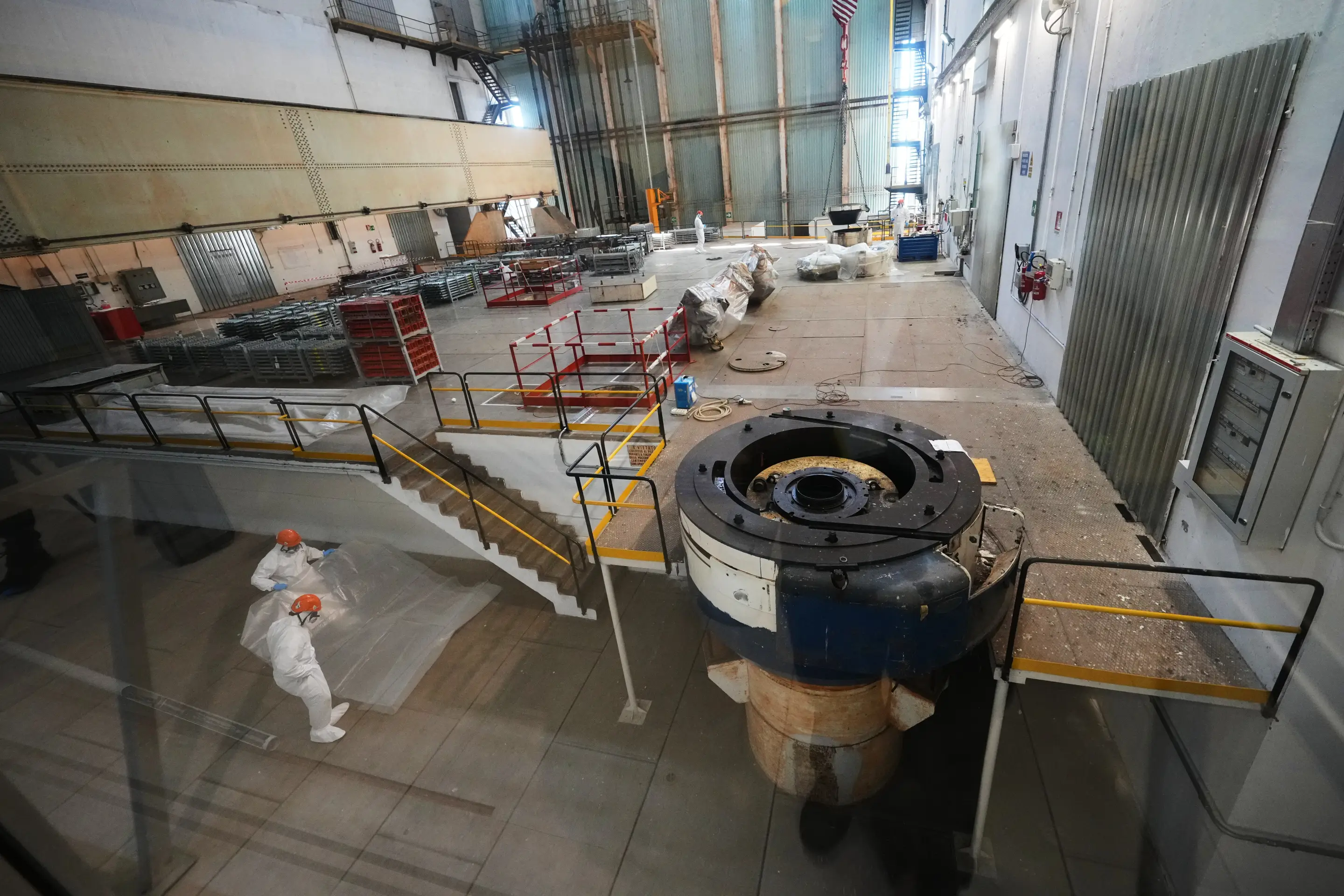
Four decades after the Chernobyl nuclear disaster changed global perceptions of atomic energy, Italy is once again debating the future role of nuclear power. The discussion has revealed a generational divide, with younger Italians increasingly open to nuclear energy while older generations remain deeply influenced by memories of past accidents and long-standing opposition movements. The 1986 Chernobyl disaster had a profound impact on Italy’s energy policies. Public concern over nuclear safety grew rapidly after the accident, contributing to a national referendum in 1987 that restricted nuclear development in the country. Italy eventually shut down its remaining nuclear power plants and moved away from atomic energy for decades. For many Italians who lived through that period, nuclear power remains closely associated with safety concerns, environmental risks, and fears of radioactive contamination. The memories of Chernobyl, along with later concerns following the Fukushima disaster in Japan in 2011, continue shaping public attitudes toward nuclear technology. However, younger generations are approaching the issue from a different perspective. Many young Italians have grown up facing the challenges of climate change, rising energy costs, and concerns about dependence on imported fossil fuels. For them, nuclear energy is increasingly viewed as a possible tool for reducing carbon emissions and strengthening energy independence. Supporters of nuclear power argue that modern reactor technology is significantly different from the systems involved in historical accidents. They point to advances in safety systems, improved designs, and stricter international regulations as reasons why nuclear energy should be reconsidered. Opponents remain skeptical, arguing that safety risks, radioactive waste management, and construction costs remain unresolved challenges. Environmental groups continue warning that nuclear projects require long timelines and substantial investment. The debate reflects a broader European discussion about the role of nuclear power in achieving climate goals. Countries across the continent are reconsidering nuclear energy as they attempt to balance emissions reductions with reliable electricity supplies. Italy’s renewed conversation demonstrates how energy debates are shaped not only by technology but also by historical experiences, cultural memories, and changing priorities between generations.
Younger Italians Reconsider Nuclear Power Amid Climate Concerns
A significant shift in Italy’s nuclear debate has emerged among younger generations, many of whom view atomic energy through the lens of climate change rather than past industrial disasters. Unlike older citizens whose opinions were shaped by Chernobyl and earlier anti-nuclear movements, younger Italians are more focused on reducing carbon emissions and securing reliable energy supplies. Climate concerns have become one of the strongest arguments driving renewed interest in nuclear power. Italy, like many European countries, has committed to reducing greenhouse gas emissions while transitioning away from fossil fuels. Supporters argue that nuclear energy could provide a stable source of low-carbon electricity while renewable technologies continue expanding. Many younger voters and professionals say the energy debate should focus on future challenges rather than only past events. They argue that technological improvements have changed the nuclear industry and that modern reactors operate under much stricter safety standards. Energy security has also become a major factor influencing public opinion. Italy imports much of its energy, making the country vulnerable to international fuel price changes and geopolitical disruptions. Recent energy market instability has encouraged discussions about developing more independent sources of electricity. However, the generational shift has not eliminated opposition. Some younger environmental activists continue rejecting nuclear power, arguing that renewable energy, energy efficiency, and storage technologies should receive greater investment. Critics also highlight concerns about nuclear waste, which remains radioactive for thousands of years and requires long-term management solutions. They argue that new nuclear projects could divert resources away from faster-developing renewable technologies. Political parties have increasingly recognized the changing public conversation. Some leaders who previously opposed nuclear energy have adjusted their positions, while others continue defending Italy’s nuclear-free approach. The generational divide illustrates how energy priorities evolve over time. Older Italians often associate nuclear power with risk and uncertainty, while many younger citizens evaluate it based on climate goals and technological progress. The future of Italy’s nuclear policy may depend on whether policymakers can address these competing concerns and build public confidence around any potential return to atomic energy.
Italy Explores Nuclear Revival as Energy Security Becomes Priority
Italy’s renewed nuclear debate comes at a time when countries across Europe are reassessing their energy strategies. Rising energy costs, geopolitical uncertainty, and climate commitments have encouraged governments to reconsider nuclear power as part of a broader transition away from fossil fuels. Italy currently relies heavily on a combination of natural gas, renewable energy, and imported electricity. While renewable energy production has increased significantly, policymakers argue that additional reliable energy sources may be needed to maintain stability as demand grows. Supporters of nuclear revival say advanced reactor technologies could provide consistent electricity while complementing renewable sources such as solar and wind power. They argue that nuclear plants can operate continuously, helping balance fluctuations in renewable generation. The Italian government has explored possibilities for reintroducing nuclear energy, including research into newer reactor designs and potential partnerships with international technology companies. Officials supporting nuclear development say the country must consider all available options to strengthen energy independence. However, rebuilding a nuclear industry after decades of inactivity presents significant challenges. Italy would need to develop technical expertise, establish regulatory systems, train workers, and secure public support. The financial cost of nuclear projects is another major issue. Nuclear plants require large upfront investments and often take many years to complete. Critics argue that resources could be better directed toward renewable energy expansion and efficiency improvements. Public opinion remains divided, making political consensus difficult. While some surveys suggest growing acceptance of nuclear energy, opposition remains strong among communities concerned about safety and environmental consequences. The debate also reflects broader questions about how countries should approach energy transitions. Governments must balance environmental goals, economic costs, energy independence, and public concerns. For Italy, the nuclear question is no longer only about technology. It is also about how different generations view risk, progress, and responsibility for the country’s future energy system.
Chernobyl Memory Remains Powerful Four Decades Later
Although four decades have passed since the Chernobyl disaster, its impact continues influencing discussions about nuclear energy around the world. In Italy, the memory of the accident remains one of the most important factors shaping public attitudes toward atomic power. The 1986 disaster became a symbol of the potential dangers associated with nuclear technology. News coverage of radioactive contamination and the long-term effects on affected communities created widespread concern across Europe, including Italy. For many older Italians, Chernobyl represents a moment when confidence in nuclear safety was severely damaged. The disaster contributed to a broader environmental movement that questioned the role of nuclear energy and pushed for alternative energy policies. Younger generations, however, often view Chernobyl as a historical event rather than a direct personal experience. Their opinions are more likely to be influenced by current challenges such as climate change, energy prices, and technological innovation. This difference in perspective has created a unique debate where historical memory competes with future-oriented concerns. Both sides acknowledge the importance of safety but disagree on whether modern nuclear technology can overcome past failures. Energy experts say public trust will be essential if Italy decides to move forward with nuclear development. Governments and companies would need to provide transparent information about safety measures, waste management, and economic costs. The experience of other European countries may also influence Italy’s discussion. Nations that continue operating nuclear plants emphasize their role in reducing emissions, while countries that moved away from nuclear energy highlight concerns about costs and risks. The continuing influence of Chernobyl demonstrates how major technological events can shape public opinion for generations. Even as technology evolves, historical experiences remain powerful forces in political and social debates. Italy’s nuclear debate therefore represents more than an energy policy decision. It reflects a broader conversation about how societies remember the past while preparing for future challenges.
Future of Italy’s Energy Strategy Remains Uncertain
The future of nuclear energy in Italy remains uncertain as policymakers, scientists, environmental groups, and citizens continue debating the country’s long-term energy strategy. While support for nuclear power has increased in some segments of society, significant political and practical challenges remain. A potential return to nuclear energy would require major investments in infrastructure, workforce development, and regulatory systems. Italy would also need to overcome public skepticism created by decades of opposition and memories of past accidents. Supporters believe nuclear power could help Italy achieve climate targets while reducing dependence on imported fossil fuels. They argue that a diversified energy system combining nuclear, renewable energy, and storage technologies could provide greater stability. Opponents maintain that renewable energy offers a safer and more sustainable path. They argue that advances in solar, wind, and battery technologies make nuclear investment unnecessary. The debate is likely to continue as Italy faces pressure to address both climate change and energy security. Decisions made in the coming years could shape the country’s economic and environmental future. The generational divide at the center of the discussion highlights changing attitudes toward technology and risk. Older generations often prioritize lessons learned from past disasters, while younger generations focus on solutions for future environmental challenges. Finding common ground may require addressing concerns from both perspectives. Nuclear advocates must demonstrate strong safety standards and economic feasibility, while opponents must consider the challenges of achieving reliable low-carbon energy without nuclear power. Italy’s nuclear debate shows how energy decisions are influenced by history, politics, science, and public values. Forty years after Chernobyl, the country is still deciding what role nuclear energy should play in its future.