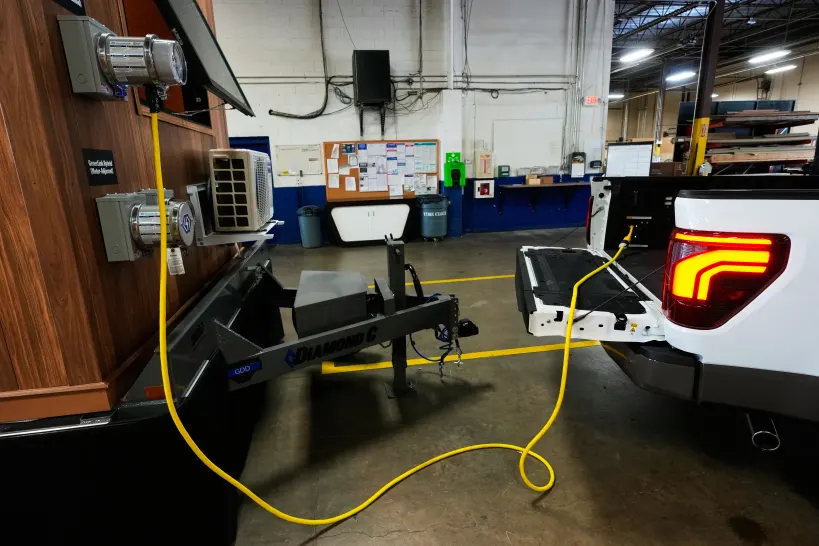
Automakers are promoting electric vehicles as potential backup power sources for homes, allowing drivers to use their vehicle batteries to provide electricity during outages and support a more flexible energy future.
Electric Vehicles Could Become Mobile Backup Power Sources
Automakers are increasingly looking beyond transportation and positioning electric vehicles as potential sources of backup power for homes during electricity outages. As EV adoption grows, companies are exploring ways for vehicle batteries to provide energy when traditional power supplies are unavailable. The concept, known as vehicle-to-home or vehicle-to-grid technology, allows electricity stored in an electric vehicle battery to flow back into a home or the wider electrical network. With many modern electric vehicles containing large battery packs capable of storing significant amounts of energy, automakers see an opportunity to transform cars into mobile energy storage systems. The idea could become particularly valuable during storms, extreme weather events, or periods of grid stress when households need temporary backup power. Instead of relying only on traditional generators or stationary battery systems, homeowners could use vehicles already parked in their driveways. Companies developing EV technology believe this capability could become an important part of the future energy ecosystem. However, widespread adoption depends on improvements in charging infrastructure, home equipment compatibility, utility policies, and consumer awareness. As automakers continue investing in electric mobility, the role of vehicles may expand from simply providing transportation to supporting household energy needs.
Vehicle-to-Home Technology Connects Cars With Household Energy
Vehicle-to-home technology allows electric vehicles to supply electricity directly to residential properties through specialized charging equipment and energy management systems. When properly connected, an EV can act similarly to a backup battery, providing power to essential household devices during outages. This technology takes advantage of the large energy storage capacity already built into electric vehicles. Many EV batteries contain enough stored energy to support important household functions for several hours or longer, depending on usage and battery size. Automakers are developing systems that allow homeowners to manage power flow, prioritize essential appliances, and monitor energy consumption. The technology could help reduce dependence on traditional backup generators while giving consumers greater control over their energy needs. Some electric vehicle owners are already using these systems in areas where power reliability is a concern. However, adoption remains limited because not all EV models support bidirectional charging, and many homes require additional hardware installation. As more manufacturers introduce compatible vehicles, experts expect vehicle-to-home technology to become more common. The growth of renewable energy, especially residential solar power, could further increase interest because EVs can help store and distribute electricity generated during the day.
Automakers See New Business Opportunity Beyond Selling Cars
For automakers, vehicle-based energy solutions represent a major opportunity to expand the role of electric vehicles beyond transportation. Traditional car companies are investing heavily in EV technology, battery development, and connected energy systems as the automotive industry undergoes a major transformation. By adding energy features, manufacturers hope to create additional value for customers and strengthen the connection between vehicles, homes, and digital services. Electric vehicles could become part of a broader energy network where batteries help balance electricity demand and support grid stability. Automakers believe these capabilities could create new revenue opportunities while encouraging more consumers to adopt EVs. Some companies are already developing partnerships with energy providers to explore how vehicle batteries can support the electrical grid during periods of high demand. The shift represents a change in how vehicles are viewed, moving from standalone transportation products to integrated technology platforms. As battery technology improves, future vehicles may provide even greater energy storage capacity. The development of these systems could reshape both the automotive and energy industries by creating closer connections between transportation and electricity infrastructure.
Power Outages Increase Interest in Alternative Backup Solutions
Growing concerns about power outages and extreme weather events have increased interest in alternative backup energy solutions. Hurricanes, wildfires, severe storms, and aging electrical infrastructure have highlighted vulnerabilities in traditional power systems, leading many households to search for more reliable options. Electric vehicles could provide an additional layer of energy security for homeowners who already own compatible models. Unlike traditional generators that require fuel storage and regular maintenance, EV-based backup systems use electricity already stored in the vehicle battery. This could make them an attractive option for households looking for cleaner and quieter alternatives. However, experts note that EV backup power is not designed to replace all traditional energy solutions in every situation. The amount of electricity available depends on battery capacity, household energy use, and the duration of the outage. Consumers must also consider installation costs and whether their vehicle supports the necessary technology. Despite these challenges, interest in EV-based backup power continues growing as more people experience disruptions caused by weather-related events and grid reliability issues.
Challenges Remain Before EV Backup Power Becomes Mainstream
Although the potential benefits of using electric vehicles as backup power sources are significant, several challenges must be addressed before the technology becomes widely available. One major issue is compatibility because only certain electric vehicles currently support bidirectional charging, which allows energy to flow from the vehicle battery back into a home. Charging equipment and electrical systems may also require upgrades before homeowners can use the technology effectively. Cost remains another consideration because specialized hardware installation can add thousands of dollars to the overall investment. Utilities and regulators must also establish rules for how vehicle energy systems interact with the broader electrical grid. Questions about battery wear, warranty coverage, and long-term vehicle performance are also being studied by manufacturers and researchers. Automakers are working to improve efficiency and reliability while making the technology easier for consumers to use. As standards develop and more compatible vehicles enter the market, many of these challenges could gradually be reduced. Industry experts believe EV energy systems will become more common as part of a broader transition toward smarter and more flexible electricity networks.
The Future of Cars Could Include Powering Homes and Communities
The idea of using electric vehicles as backup power sources represents a broader shift in how transportation and energy systems may interact in the future. As electric vehicles become more common, their batteries could play an important role in managing electricity demand and supporting communities during emergencies. Instead of vehicles sitting unused for most of the day, their stored energy could provide valuable support when homes or power grids need additional capacity. The development of vehicle-to-home and vehicle-to-grid technology reflects a future where cars become active participants in energy management. Automakers, utilities, and technology companies are continuing to explore ways to make this vision practical and affordable for consumers. While challenges remain, the potential benefits include improved energy resilience, greater use of renewable power, and more efficient management of electricity resources. For homeowners, the vehicle parked in the driveway could eventually become more than a way to travel — it could become an important part of the household energy system. As electric mobility continues expanding, the relationship between cars, homes, and power networks is expected to become increasingly connected.