Renewed criticism of mail voting by President Donald Trump, combined with concerns about delivery delays, has placed the US Postal Service at the center of preparations for the upcoming midterm elections.
Mail Voting Debate Returns Ahead of Midterm Elections
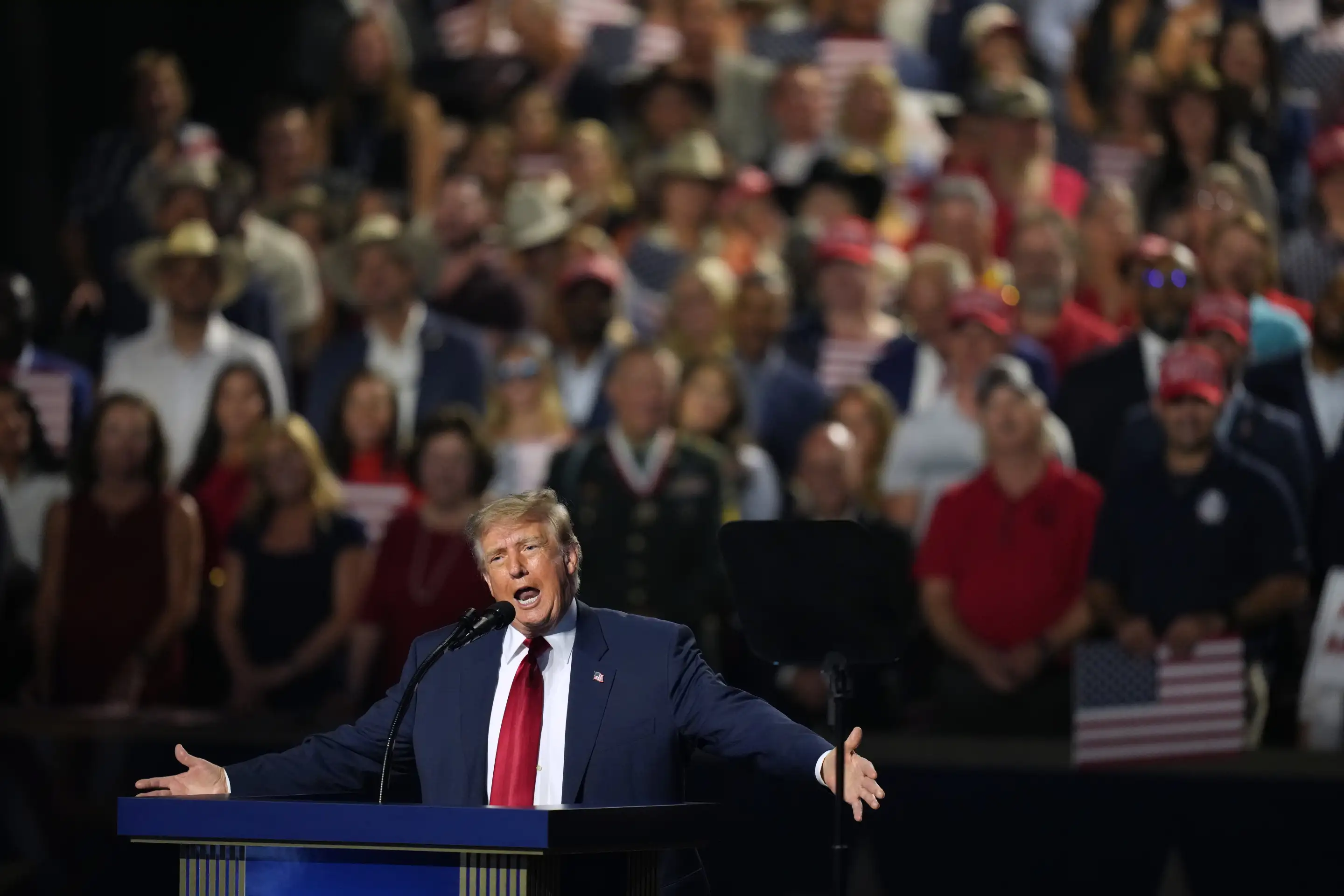
The United States Postal Service has once again become a focal point of national political debate as preparations for the upcoming midterm elections intensify. Renewed criticism of mail voting by President Donald Trump, combined with ongoing concerns about postal delivery times, has increased attention on the agency responsible for delivering millions of absentee and mail ballots across the country. Mail voting expanded significantly during recent election cycles, particularly as states adopted broader absentee voting options. Supporters argue that voting by mail increases accessibility for military personnel, overseas citizens, elderly voters, individuals with disabilities, and people who may find it difficult to vote in person. President Trump has continued expressing skepticism about widespread mail voting, arguing that the system requires strong safeguards to protect election integrity. He has repeatedly questioned whether mail ballots are processed consistently and has called for measures aimed at increasing confidence in election administration. Election officials in many states maintain that mail voting includes multiple layers of security, including voter registration verification, signature checks, barcode tracking, and bipartisan ballot processing procedures. Numerous election administrators have emphasized that established safeguards are designed to detect irregularities and ensure accurate vote counting. The renewed political attention has placed additional pressure on the Postal Service as it prepares to handle another large volume of election mail. USPS officials have stated that election-related mail remains a high operational priority and that procedures are in place to help ballots move through the postal system efficiently. However, concerns about delivery delays continue to generate discussion among voters, advocacy organizations, and election administrators. Local election officials have encouraged voters to submit mail ballots early whenever possible to reduce the risk of late arrivals. The debate highlights the important role the Postal Service plays in the American electoral system. Regardless of political viewpoints, the agency remains responsible for transporting election materials across thousands of communities nationwide. As the midterm campaign progresses, questions surrounding mail voting and postal operations are expected to remain central topics in national political discussions.
Postal Service Faces Operational Challenges During Election Season
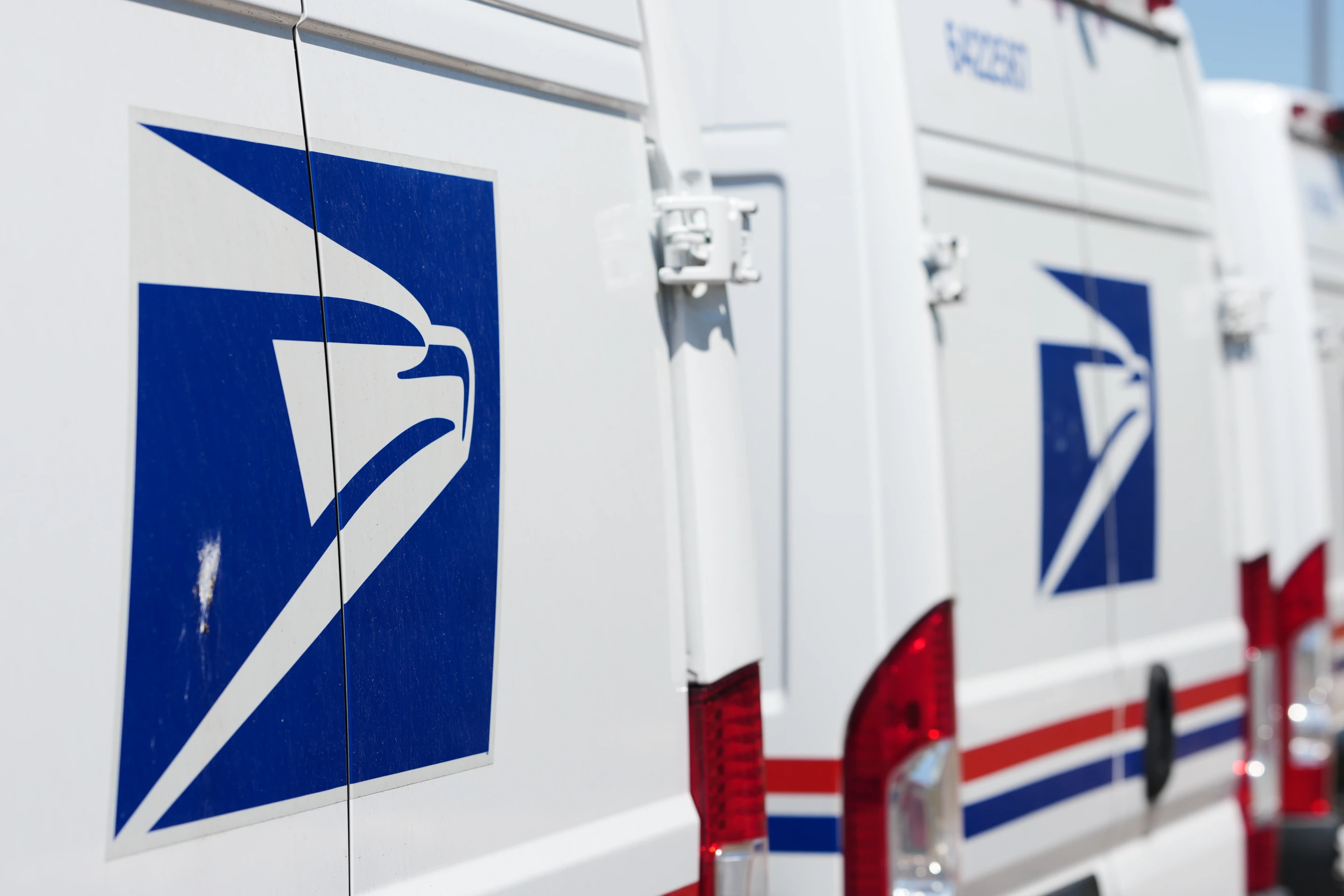
Preparing for a national election places unique operational demands on the United States Postal Service, which handles millions of pieces of election-related mail during every major voting cycle. Ballots, voter registration materials, election notices, and official correspondence must all be processed within strict deadlines established by individual states. USPS officials have repeatedly stated that election mail receives special handling and coordination with state and local election offices. Additional planning, employee training, and operational procedures are implemented to help ensure ballots move efficiently through the postal network. Despite these efforts, delivery delays have remained a concern in some regions due to staffing shortages, severe weather, transportation disruptions, and broader logistical challenges affecting mail operations. While most mail continues moving successfully through the system, even isolated delays can create anxiety during closely contested elections. Election administrators have therefore encouraged voters to mail completed ballots well before state deadlines. Many states also provide secure ballot drop boxes or allow voters to deliver absentee ballots directly to election offices. Postal officials have emphasized that meeting election deadlines depends on both timely mailing by voters and coordination between election agencies and USPS facilities. Public information campaigns have encouraged voters to carefully follow mailing instructions provided with absentee ballots. The increased attention surrounding election mail has also focused on USPS funding, staffing, and infrastructure. Some policymakers argue that additional investment could strengthen long-term postal operations, while others believe existing systems remain capable of managing election responsibilities. Postal employees play an essential role during election periods by ensuring that ballots and election materials move through local and national distribution networks. Their work supports election administration regardless of political affiliation or voting method. The continued focus on USPS reflects the agency's importance not only as a mail carrier but also as a critical component of election logistics. Reliable postal operations remain essential for millions of voters who choose to cast ballots by mail. As Election Day approaches, both election officials and postal managers will continue working together to help ensure ballots are delivered within required timeframes.
Election Integrity and Voter Access Remain Central Political Issues
The renewed debate surrounding mail voting reflects broader national discussions about balancing election security with voter accessibility. Political leaders, election officials, and advocacy groups continue offering different perspectives on how election systems should operate while maintaining public confidence. Supporters of expanded mail voting argue that absentee ballots increase participation by providing greater flexibility for eligible voters. They point to military personnel stationed overseas, older Americans, rural residents, and individuals with medical conditions as groups that benefit from accessible voting options. Others argue that election systems should include robust safeguards to maintain confidence in voting procedures. Proposals often include stronger voter identification requirements, updated voter registration systems, enhanced signature verification, and improved ballot tracking technologies. Election administrators generally emphasize that both accessibility and security are important goals. Many states have developed procedures designed to verify voter identity while also allowing eligible citizens to vote through absentee or mail ballot systems. Technology has also become an increasingly important part of election administration. Barcode tracking, digital voter databases, signature comparison systems, and ballot monitoring tools have improved election management in many jurisdictions. Despite continuing political disagreements, election officials across the country continue preparing for the logistical challenges of administering elections involving millions of voters. Their responsibilities include managing polling locations, absentee ballots, voter registration, and certification procedures. Public confidence remains a key objective for election administrators. Officials frequently encourage voters to understand state voting rules, verify registration information, and follow official election guidance. The discussion surrounding mail voting demonstrates how election administration has become one of the most closely watched aspects of American politics. Questions about voting procedures often receive significant public attention because of their importance to democratic participation. As campaigning intensifies, debates over election policy are likely to continue alongside broader discussions involving voting access, election security, and public trust.
States Continue Preparing for Heavy Election Mail Volumes
State election offices across the United States are continuing preparations for another election cycle expected to generate substantial volumes of absentee and mail ballots. Officials are reviewing procedures, coordinating with postal authorities, and updating voter guidance to help ensure smooth election administration. Election preparation involves extensive planning months before ballots are distributed. Local officials verify voter rolls, test election equipment, coordinate staffing, establish ballot processing schedules, and communicate deadlines to the public. Many states have expanded online tools allowing voters to request absentee ballots, monitor ballot status, and receive updates regarding election materials. These systems are intended to improve transparency and reduce uncertainty during the voting process. Election officials consistently advise voters to familiarize themselves with deadlines specific to their states because absentee voting rules vary across jurisdictions. Mailing ballots early remains one of the most common recommendations from election administrators. The Postal Service also works closely with election agencies to identify election mail, prioritize processing, and coordinate transportation schedules during peak periods. These efforts are designed to reduce delays while maintaining normal postal operations Observers note that public confidence depends not only on election outcomes but also on the perceived reliability of election administration. Clear communication, transparent procedures, and timely ballot processing all contribute to maintaining trust. Political debate surrounding mail voting is expected to continue throughout the campaign season. Candidates from both major parties are likely to discuss election procedures, postal operations, and voting policies as part of broader campaign messaging. Regardless of political differences, election administrators, postal workers, and state officials share responsibility for supporting the voting process according to established laws and procedures. With millions of Americans expected to vote through absentee or mail ballots, the United States Postal Service will remain one of the most closely watched institutions during the upcoming midterm elections.
Postal Service Remains Central to America’s Election Infrastructure
The renewed focus on the Postal Service underscores its continuing importance within the nation's election infrastructure. Every major election requires coordination between postal employees, election administrators, local governments, and voters to ensure ballots reach their intended destinations. Although political debate surrounding mail voting continues, USPS remains responsible for processing election materials in accordance with federal law and operational procedures. Postal employees deliver ballots without regard to political affiliation or election outcomes. Experts note that confidence in elections depends upon multiple institutions working effectively together. Election offices, postal services, courts, and independent observers all contribute to maintaining election processes established under state and federal law. Future discussions about election administration are likely to include continued examination of postal operations, voting technology, ballot processing, and public communication. Policymakers may also consider reforms aimed at improving efficiency while maintaining security and voter access. The role of the Postal Service extends beyond election periods. USPS provides essential services to communities nationwide while supporting government communications, commerce, and public services. Election officials continue encouraging voters to stay informed through official state election websites and local election offices. Understanding deadlines and voting procedures remains one of the most effective ways for voters to ensure their ballots are counted. Political debate over mail voting is expected to remain an important issue throughout the campaign season, particularly in closely contested races where absentee ballots may play a significant role. As preparations continue, the Postal Service will remain at the center of national attention, reflecting its unique role in supporting one of the country's most important democratic processes.