A federal judge in Texas has ruled that key parts of a decades-old federal firearms law regulating suppressors, short-barreled rifles and certain other weapons cannot be enforced after changes eliminated the tax provisions that supported the regulations.
Federal Judge Blocks Enforcement of Key National Firearms Act Rules
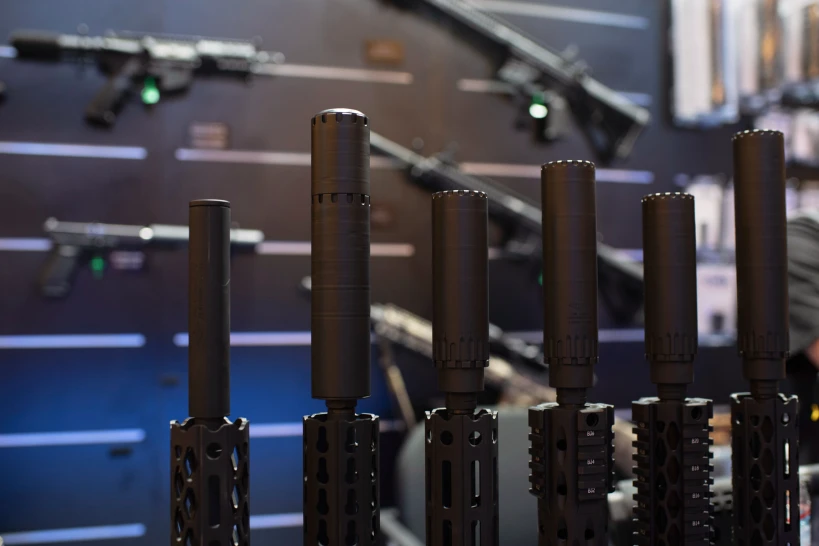
A federal judge in Texas has ruled that portions of the National Firearms Act (NFA), a law dating back to the 1930s, can no longer be enforced against certain firearms and accessories including suppressors, short-barreled rifles and short-barreled shotguns. U.S. District Judge James Hendrix ruled that after Congress removed the tax requirement associated with these items, the government could no longer rely on its original taxing authority to justify the registration and regulatory requirements imposed by the law. The decision represents a major legal development in the long-running debate over federal firearm regulation, constitutional rights and the limits of government authority. The ruling does not eliminate all federal firearm requirements, but it challenges a significant part of the regulatory system that has governed certain weapons for nearly a century.
National Firearms Act Has Regulated Certain Weapons Since 1934
The National Firearms Act was enacted in 1934 during an era of concern over organized crime and violent criminal activity. The law created additional requirements for certain categories of firearms considered more dangerous by lawmakers at the time. Under the NFA framework, owners of regulated items were required to register them and pay a special tax before possession or transfer. Suppressors, also known as silencers, and certain short-barreled firearms were among the items covered by the law. For decades, the registration system served as a major federal oversight mechanism, creating additional review requirements beyond standard firearm purchase procedures. The Texas ruling challenges whether those requirements can continue after the tax component was removed.
Gun Rights Groups Celebrate the Decision
Gun rights organizations praised the ruling, arguing that the federal government had used taxation as a method of imposing restrictions on Second Amendment rights. Supporters of the decision say removing the registration requirements could reduce government oversight and allow law-abiding firearm owners easier access to regulated equipment. Some firearm advocates view the ruling as a potential turning point that could influence future legal challenges involving federal gun regulations. They argue that the decision could strengthen arguments against other federal restrictions they consider unconstitutional.
Gun Control Advocates Warn of Public Safety Risks
Gun control organizations criticized the ruling, arguing that the National Firearms Act provided important safeguards for weapons historically considered higher risk. Opponents of the decision say the registration process provided law enforcement with additional information and helped identify individuals attempting to obtain restricted firearms. They warn that removing these requirements could weaken oversight and make it harder for authorities to track certain weapons. The disagreement reflects a broader national debate over how to balance firearm rights with public safety measures.
Background Checks and Other Firearm Rules Remain
Although the ruling affects specific NFA regulations, other firearm laws remain in place, including standard federal background check requirements for many purchases. Legal experts say the decision is unlikely to immediately eliminate all federal firearm regulations but could create significant challenges for how certain laws are interpreted and enforced. The case may face further legal review, including potential appeals and additional court proceedings. Because firearm regulation remains a highly contested legal issue, the ruling could become part of a larger series of cases examining the scope of federal authority.
Potential Supreme Court Battle Ahead
The Texas decision could become an important step in a broader legal battle over federal firearm regulation. Both gun rights advocates and gun control groups are closely watching whether the ruling survives future appeals. The case raises questions about how courts should evaluate long-standing regulations when the legal foundation supporting them changes. If the decision moves through higher courts, it could eventually reach the Supreme Court and influence how firearm laws are interpreted nationwide. For now, the ruling marks a significant challenge to one of the oldest federal firearm regulatory frameworks in the United States.