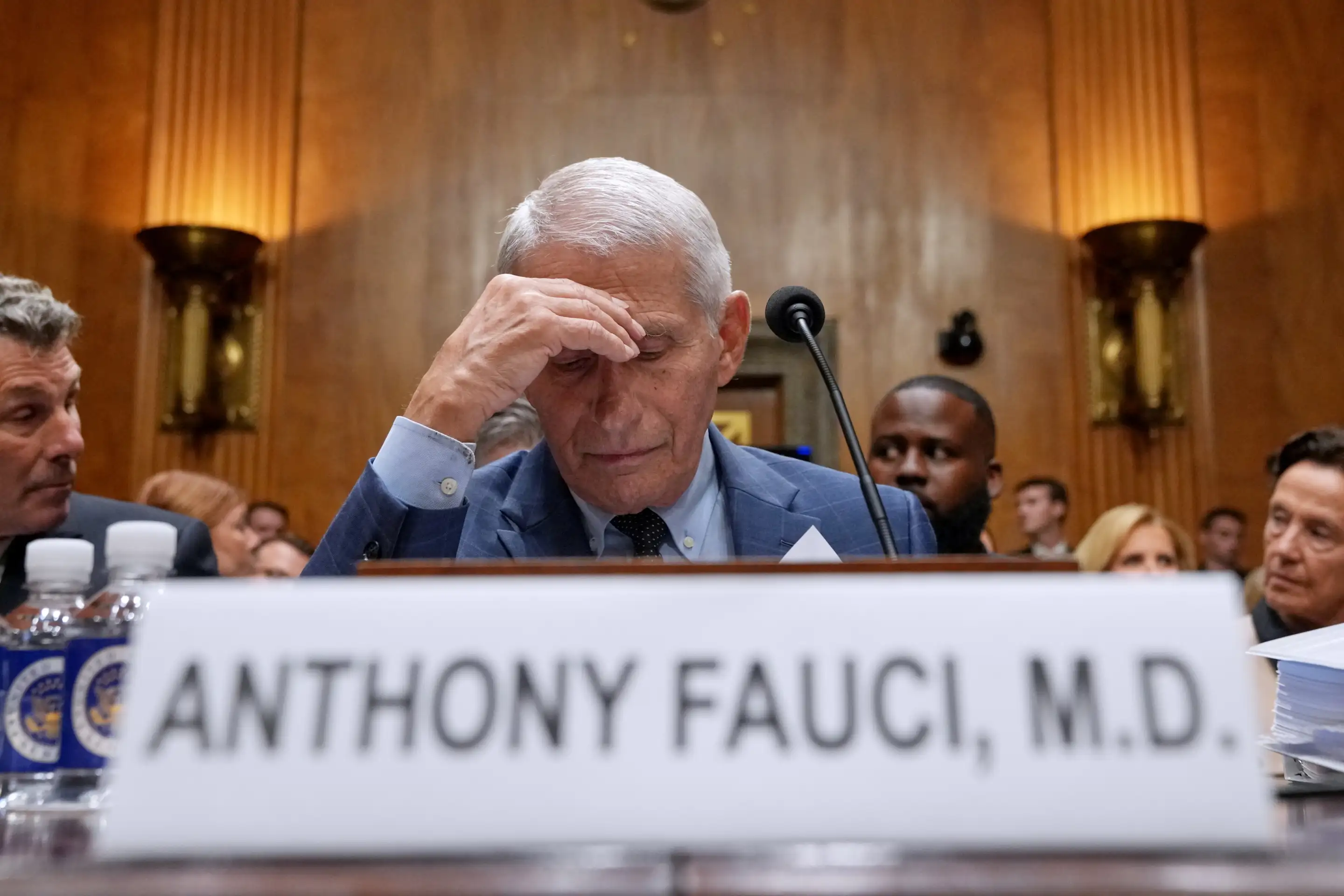
A Senate committee is preparing to vote on whether to hold Dr. Anthony Fauci in contempt of Congress after he declined to answer questions during a hearing focused on his handling of the COVID-19 pandemic.
Senate Committee Targets Fauci Over Hearing Testimony
A Senate panel is set to vote on whether to hold Dr. Anthony Fauci in contempt of Congress after he refused to answer questions during a hearing examining his role in the federal response to the COVID-19 pandemic. The Senate Homeland Security and Governmental Affairs Committee, led by Republican Sen. Rand Paul, is considering whether Fauci’s refusal to provide testimony violated congressional authority. The committee’s action could lead to a referral to the Justice Department for possible prosecution. The dispute has become part of a broader political battle over pandemic-era decisions, public health policies and accountability for government officials who played major roles during the COVID-19 response. Fauci, the former director of the National Institute of Allergy and Infectious Diseases, has argued that his legal rights prevent him from answering certain questions.
Fauci Invoked the Fifth Amendment During Testimony
During the Senate hearing, Fauci invoked his Fifth Amendment right against self-incrimination more than 100 times while declining to answer questions from lawmakers. His decision to repeatedly refuse answers intensified criticism from Republican senators, who argued that Congress has a right to obtain information as part of its oversight responsibilities. Fauci’s legal team has maintained that he was exercising constitutional protections and that the hearing was being used as a political effort rather than a legitimate investigation. The conflict has raised broader legal questions about when government officials can invoke constitutional protections during congressional investigations.
Dispute Centers on COVID-19 Response Investigation
The Senate inquiry is focused on issues connected to Fauci’s leadership during the COVID-19 pandemic, including decisions made by federal health agencies and government communication during the public health emergency. Republican lawmakers have argued that additional testimony is needed to examine whether mistakes were made and whether federal health agencies operated transparently. Supporters of Fauci argue that he has already faced extensive scrutiny and that political investigations risk undermining public health expertise. The confrontation reflects continuing divisions over how the United States handled the pandemic and how officials should be held accountable for decisions made during national emergencies.
Contempt Referral Could Create Legal Questions
A contempt of Congress referral would begin a process that could eventually involve the Justice Department and potential criminal proceedings. Prosecutors would need to determine whether Fauci’s refusal was legally justified and whether the elements of a criminal contempt case were met. The case could also raise questions about the limits of congressional authority and the protections available to witnesses who claim a constitutional right against self-incrimination. Legal experts say the outcome could have implications for future congressional investigations involving former government officials and public figures. The dispute highlights the tension between Congress’s oversight powers and individual constitutional protections.
Political Fight Extends Beyond Fauci
The controversy surrounding Fauci is part of a larger political debate over the role of federal health agencies, scientific experts and government accountability. Republican lawmakers have used the investigation to challenge decisions made during the pandemic, while Democrats and public health advocates warn that aggressive political investigations could discourage scientists from serving in government roles. The issue has become a major point of division as lawmakers continue examining pandemic policies years after the emergency phase of COVID-19 ended. The Senate vote is expected to become another significant moment in the ongoing political debate over public health leadership.
A Test of Congressional Oversight Powers
The vote on Fauci’s possible contempt charge represents a broader test of how far Congress can go when demanding testimony from high-profile officials. Supporters of the action argue that congressional investigations depend on witnesses providing information when legally required. Critics argue that constitutional protections must remain available even during politically charged investigations. The outcome could influence future disputes between Congress and individuals who refuse to answer questions during oversight hearings. As lawmakers continue debating accountability for pandemic-era decisions, the Fauci case has become a symbol of the larger struggle over transparency, government authority and constitutional rights.