The Pentagon says a newly created casualty category reflects a separate phase of renewed fighting with Iran that began after the conclusion of Operation Epic Fury, prompting debate over transparency and the accounting of U.S. military losses.
Pentagon Introduces New Casualty Classification
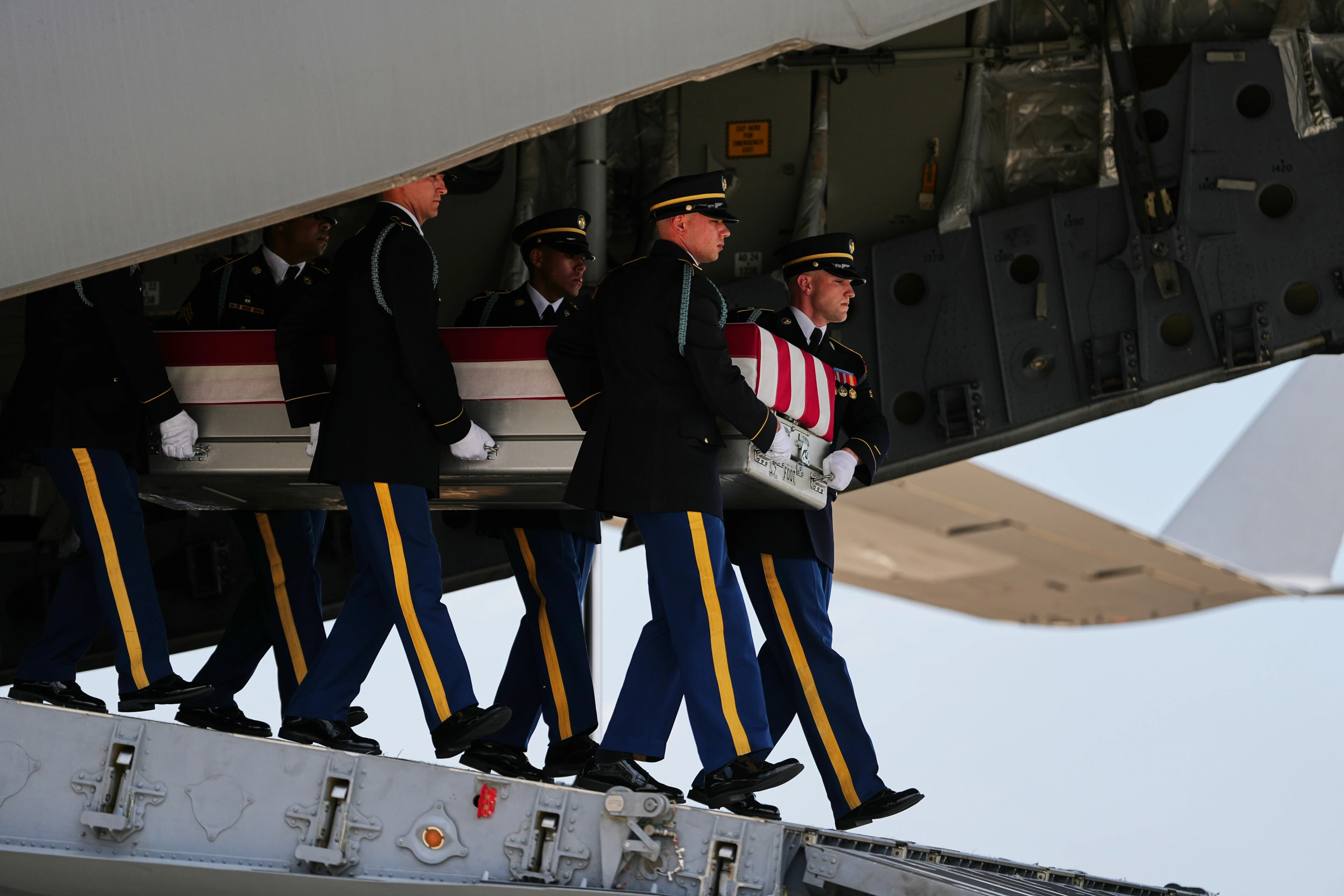
The U.S. Department of Defense has introduced a new category within its Defense Casualty Analysis System to account for American service members killed or wounded during renewed military operations against Iran following the official conclusion of Operation Epic Fury. Pentagon officials said the change reflects a distinct operational phase that began after hostilities resumed in July, rather than an effort to reduce or conceal the total number of casualties. The new classification, labelled 'Overseas Operations,' includes casualties sustained after renewed fighting broke out following the collapse of a temporary ceasefire. Previously, these losses had been counted alongside casualties from Operation Epic Fury, the large-scale military campaign launched earlier in the year. Pentagon officials argued that separating the two phases provides a more accurate representation of distinct military operations. The update has nevertheless attracted attention because casualty totals associated with Operation Epic Fury declined after the new category was introduced, even though the overall number of U.S. military personnel killed or wounded did not change. Officials stressed that the total casualty figures remain publicly available across both reporting categories. The revised reporting system has become a focus of congressional scrutiny and public discussion, particularly as renewed hostilities continue to affect American forces stationed across the Middle East. Military analysts note that casualty reporting plays an important role in maintaining public transparency while documenting the human cost of military operations. The Pentagon maintains that the revised classification is an administrative change tied to operational timelines rather than a revision of casualty records themselves.
Renewed Fighting Followed the End of Operation Epic Fury
Operation Epic Fury began earlier in 2026 as a major U.S.-led military campaign targeting Iranian military infrastructure and strategic assets. Following weeks of combat, Washington announced a ceasefire and indicated that the operation had concluded. However, tensions quickly escalated again after attacks on commercial shipping and American military positions led to renewed military exchanges between the United States and Iran. According to Pentagon officials, the new casualty category begins with the renewed conflict that emerged after the ceasefire collapsed. American forces resumed military operations in response to Iranian attacks involving missiles, drones, and threats to maritime security in the Strait of Hormuz and surrounding areas. Recent clashes have included attacks on U.S. military installations in Jordan and Iraq, missile interceptions by American air defence systems, and retaliatory strikes against Iran-backed armed groups operating in the region. The renewed conflict has broadened concerns about regional stability and the possibility of further escalation involving multiple Middle Eastern countries. Military officials argue that distinguishing casualties from separate operational phases helps accurately document the chronology of military engagements. Critics, however, contend that separating the figures may make it more difficult for the public to understand the overall human cost of the conflict. The Pentagon continues to describe the revised reporting as a technical adjustment rather than a substantive change in casualty accounting.
Questions Raised Over Transparency and Public Accountability
The reporting change has generated criticism from some lawmakers, veterans' organizations, and transparency advocates who argue that separating casualties into different operational categories could complicate efforts to track the overall impact of the conflict. Critics contend that maintaining a single comprehensive casualty total would provide a clearer picture of the costs associated with military operations against Iran. Some observers have questioned whether the timing of the administrative change could affect public perception of the war by making casualty figures appear lower for Operation Epic Fury even though the total number of casualties remains unchanged when both categories are combined. Pentagon officials rejected suggestions that the change was intended to obscure casualty data. They emphasized that all service member deaths and injuries continue to be reported through official channels and that the revised classification reflects evolving military operations rather than political considerations. Military historians note that the Defense Department has periodically adjusted reporting structures during extended conflicts when separate campaigns or phases of operations emerge. Such changes are generally intended to align casualty records with operational command structures and officially designated military missions. Congressional committees are expected to continue reviewing casualty reporting procedures as part of broader oversight of U.S. military operations in the Middle East.
Growing Human Cost of the Conflict
The renewed fighting has added to the already significant human toll of the conflict between the United States and Iran. Since Operation Epic Fury began earlier this year, hundreds of American service members have been wounded while multiple fatalities have been reported across various theatres of operation. Updated Pentagon data indicates that the combined casualty totals from Operation Epic Fury and the subsequent Overseas Operations category now exceed six hundred wounded personnel, alongside multiple combat deaths. Military medical units continue treating injuries resulting from missile attacks, drone strikes, and indirect fire directed at American installations across the region. Many wounded personnel have required evacuation to military hospitals outside the combat zone for specialised treatment and rehabilitation. The conflict has also imposed growing operational demands on U.S. forces tasked with defending regional bases, protecting maritime shipping routes, and supporting allied governments. Defence officials have acknowledged that sustained deployments place additional pressure on personnel, equipment, and missile defence resources. Beyond the direct military consequences, the conflict has affected global energy markets, commercial shipping, and diplomatic relations throughout the Middle East. International governments continue urging restraint while seeking diplomatic solutions to reduce the risk of wider regional confrontation. The evolving casualty figures remain an important measure of the conflict's continuing impact on American military personnel and their families.
Congress and the Public Continue Monitoring the War
The Pentagon's revised casualty reporting system is expected to remain under close scrutiny as lawmakers continue monitoring U.S. military involvement in the Middle East. Members of Congress from both parties have sought additional briefings regarding operational objectives, troop deployments, casualty reporting practices, and the administration's long-term strategy toward Iran. Questions surrounding transparency have become increasingly significant as the conflict enters a new phase marked by intermittent ceasefires, renewed hostilities, and expanded regional tensions. Legislators have indicated they will continue reviewing how military operations are classified and how casualty information is communicated to the public. Defence officials maintain that the revised reporting framework provides a clearer administrative distinction between separate military operations while preserving complete casualty records. They emphasize that all losses remain publicly documented regardless of the reporting category under which they are listed. Military analysts note that accurate casualty reporting serves multiple purposes, including informing policymakers, supporting military families, preserving historical records, and maintaining public confidence in government accountability. As fighting continues and diplomatic efforts remain uncertain, casualty reporting and operational transparency are likely to remain central issues in congressional oversight of U.S. military engagement with Iran. The debate surrounding the Pentagon's reporting changes illustrates the broader challenges of documenting modern military conflicts while balancing operational, administrative, and public information requirements.