A federal judge has temporarily blocked Minnesota’s first-in-the-nation law banning prediction markets, creating a legal battle over whether states or federal regulators have authority over platforms like Kalshi and Polymarket.
Federal Judge Blocks Minnesota Prediction Market Ban
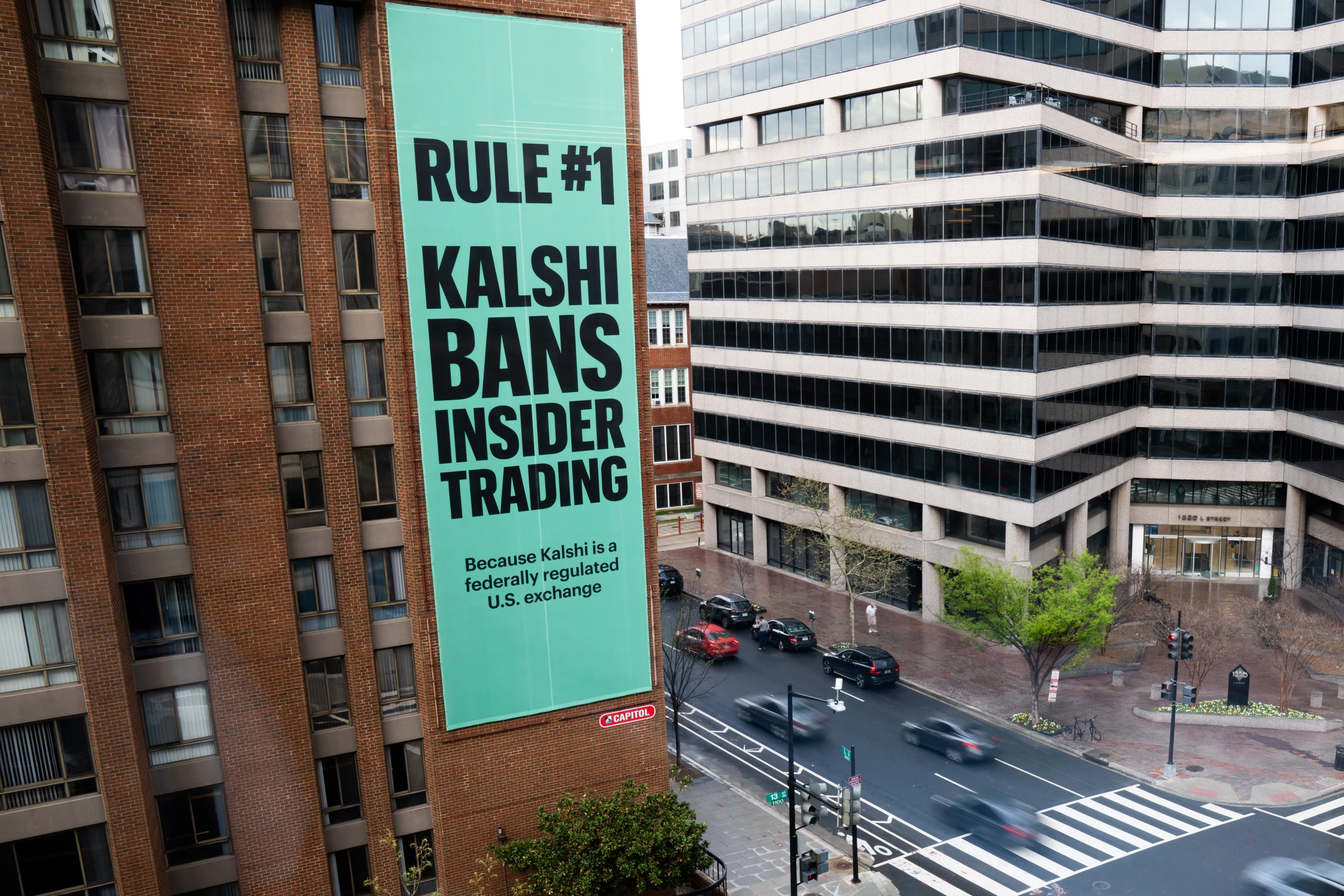
A federal judge has temporarily halted Minnesota’s first-in-the-nation law banning prediction markets, preventing the legislation from taking effect while a legal challenge moves forward. The ruling represents a significant development in the growing dispute over whether states can regulate emerging prediction market platforms or whether federal authorities have exclusive control over these financial-style contracts. The Minnesota law was designed to prohibit the creation, operation, or assistance of prediction markets, which allow users to trade contracts based on the outcomes of future events such as elections, sports competitions, and economic indicators. Supporters of the legislation argued that these platforms function similarly to gambling operations and should be subject to state restrictions. However, the U.S. Commodity Futures Trading Commission (CFTC), along with prediction market companies Kalshi and Polymarket, challenged the law, arguing that these platforms operate under federal oversight and that states do not have authority to block federally regulated event contracts. U.S. District Judge Katherine Menendez issued a preliminary injunction, finding that the challengers were likely to succeed in their arguments and that allowing the law to take effect could cause significant harm to the companies involved. The decision means prediction market operators can continue serving Minnesota users while the broader legal dispute continues. The case has become part of a larger national debate about the future of prediction markets in the United States. These platforms have grown rapidly in popularity, attracting users interested in forecasting political outcomes, financial trends, and major events. Supporters describe prediction markets as useful tools for gathering information and measuring public expectations. They argue that market-based forecasts can provide valuable insights by allowing participants to express predictions through financial incentives. Critics, including Minnesota officials, argue that many prediction markets resemble gambling and could expose consumers to risks associated with betting-style activities. They say states should have the ability to protect residents from potentially harmful forms of wagering. The court’s decision does not permanently resolve the dispute but delays enforcement while both sides continue their legal arguments. The outcome could influence how prediction markets are regulated across the country.
Battle Over State Authority and Federal Regulation Intensifies
The legal fight over Minnesota’s prediction market ban highlights a broader conflict between state governments seeking greater control over online betting-style activities and federal regulators defending their authority over financial markets. The dispute centers on whether prediction contracts should be treated as gambling products regulated by states or as financial instruments overseen at the federal level. Minnesota officials have argued that prediction markets allow users to place wagers on uncertain events and therefore fall under state gambling laws. They maintain that states have a responsibility to protect consumers and prevent unregulated betting platforms from expanding without oversight. Minnesota Attorney General Keith Ellison has described prediction markets as gambling and said the state has the right to restrict activities that could harm residents. State officials have argued that companies should not be able to avoid gambling regulations by describing their products as financial contracts. On the other side, Kalshi, Polymarket, and the CFTC argue that prediction markets are fundamentally different from traditional gambling. They say event contracts operate similarly to other federally regulated derivatives and that allowing individual states to ban them would create conflicting rules across the country. The disagreement reflects a growing challenge in regulating digital financial products. Technology companies are increasingly creating platforms that do not fit neatly into traditional legal categories, forcing courts and lawmakers to determine which agencies have authority. Prediction markets have attracted significant attention because they allow users to trade contracts connected to real-world outcomes. Supporters believe these markets can improve forecasting by collecting information from participants with different perspectives. Opponents worry that the platforms could encourage excessive speculation and make gambling-like activities more accessible. They argue that stronger consumer protections are necessary before the industry expands further. The Minnesota case could become an important precedent for other states considering similar restrictions. Several states have explored legal action against prediction market companies, creating a nationwide debate over the future of the industry. As the lawsuit continues, the central question remains whether prediction markets should be treated primarily as financial exchanges or as forms of gambling requiring state regulation.
Prediction Markets Gain Popularity Amid Regulatory Uncertainty
Prediction markets have experienced rapid growth in recent years as more users turn to platforms that allow them to trade contracts based on future events. These markets have expanded beyond traditional financial forecasting and now include topics such as elections, sports results, entertainment events, and economic developments. Companies operating in the sector argue that prediction markets provide valuable information by allowing participants to express expectations through market activity. They say prices generated by these platforms can reflect collective opinions and help measure public sentiment. Supporters also argue that prediction markets are not simply gambling platforms because users are engaging in contracts regulated under financial market rules. They believe these services can provide useful forecasting tools for businesses, researchers, and policymakers. However, critics remain concerned about the rapid expansion of these platforms. They argue that allowing people to place financial positions on uncertain events creates risks similar to gambling, especially when users may not fully understand the products they are trading. The controversy has placed companies such as Kalshi and Polymarket at the center of a national discussion about innovation and regulation. These platforms have gained visibility by offering markets connected to major events, attracting both casual users and professional participants. Regulators face the challenge of creating rules that protect consumers while allowing technological innovation to continue. Too much restriction could limit potentially useful financial tools, while insufficient oversight could create risks for users. The Minnesota court case arrives at a time when lawmakers across the United States are debating how existing regulations should apply to new digital platforms. Traditional legal frameworks often struggle to keep pace with rapidly changing technology. Industry analysts believe the final outcome could shape the future of prediction markets nationwide. A ruling supporting federal authority could limit state efforts to restrict these platforms, while a decision favoring states could lead to a patchwork of different rules across the country. For now, prediction markets remain available in Minnesota as the legal battle continues.
Future of Prediction Market Regulation Remains Unclear
The temporary halt of Minnesota’s prediction market ban leaves the future of regulation uncertain as courts continue examining the balance between federal authority, state consumer protections, and the growth of emerging financial technologies. The case could have major implications for how governments approach digital markets that combine elements of finance, technology, and public participation. As new platforms develop, regulators are increasingly required to determine whether existing laws are sufficient or whether new rules are needed. For prediction market companies, the legal challenge represents a critical moment. A favorable outcome could allow broader expansion across the United States, while restrictions could significantly limit where these platforms operate. Businesses and investors are watching the case closely because prediction markets are increasingly being viewed as potential tools for analyzing public expectations. Companies have used similar market-based forecasting systems internally to evaluate risks and anticipate future trends. At the same time, consumer protection remains a central concern. Critics argue that users need stronger safeguards and clearer information about the risks involved before participating in prediction markets. The debate also raises questions about how much authority states should have over internet-based businesses. Because digital platforms often operate across state borders, conflicting regulations could create challenges for companies and consumers. Legal experts expect additional court battles as more states consider restrictions on prediction markets. The Minnesota case may become one of the most important legal tests determining how these platforms are classified. Regardless of the final outcome, the controversy demonstrates the challenges of regulating innovative technologies. Governments must balance encouraging innovation with protecting consumers and maintaining effective oversight. The future of prediction markets will likely depend on how courts interpret the relationship between federal financial regulation and state gambling laws. Until then, companies, regulators, and users will continue watching the legal battle closely.