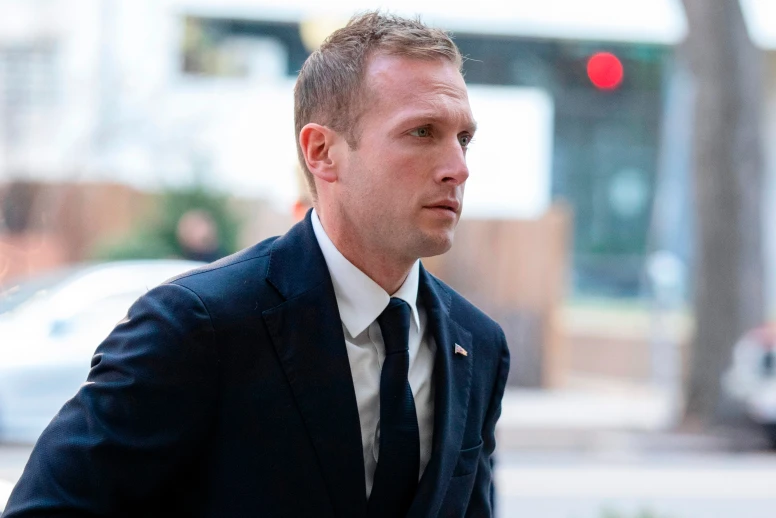
Republican Rep. Max Miller is refusing calls to end his reelection campaign despite a congressional ethics investigation and allegations of domestic abuse, creating growing concern among GOP strategists about the political impact on a competitive Ohio House race.
Miller Rejects Calls to Leave Race Amid Growing Pressure
Ohio Republican Rep. Max Miller is facing increasing pressure from within and outside his party to withdraw from his reelection campaign after allegations of domestic abuse triggered a congressional ethics investigation and raised concerns about the future of his competitive House seat. Miller has publicly rejected calls to step aside, saying he intends to remain in the race. The second-term congressman has argued that the allegations against him are false and politically motivated, while continuing to campaign for another term. The controversy has created a difficult situation for Republican leaders, who must balance support for an incumbent with concerns about the political consequences of keeping him on the ballot.
Ethics Investigation Focuses on Abuse Allegations
The House Ethics Committee is examining allegations involving Miller, including claims made by his ex-wife and former girlfriend. Miller has denied the accusations and has maintained that he did not commit wrongdoing. The allegations have drawn significant attention because they involve a sitting member of Congress and come during an election cycle where both parties are closely watching vulnerable seats. Republicans have expressed concern that the controversy could create a political liability in Ohio’s 7th Congressional District, a seat the party wants to retain.
GOP Concerns Grow Over Electoral Impact
The controversy surrounding Miller has increased anxiety among Republican strategists who fear that a damaging national spotlight could make the district more competitive than expected. Democrats have highlighted the allegations as an opportunity to challenge Republican control of the seat. Democratic candidate Brian Poindexter has criticized Miller’s continued campaign and argued that voters deserve different leadership. Political analysts say scandals involving incumbent lawmakers can reshape races by affecting fundraising, voter turnout and public perceptions of candidates.
Miller Says He Will Continue Defending His Name
Miller has responded to the controversy by denying the accusations and releasing statements defending his record. He has said he will continue fighting to clear his name rather than ending his campaign. The congressman has also requested additional scrutiny through formal channels, arguing that the allegations require a full review rather than political judgment. His decision to stay in the race creates a complicated situation for Republican officials because replacing a candidate becomes increasingly difficult as election deadlines approach.
Party Faces Broader Concerns Over Candidate Controversies
Miller’s situation comes as Republicans face broader challenges involving several House members dealing with controversies, investigations or allegations that could affect competitive races. Democrats are seeking to capitalize on these vulnerabilities by arguing that ethics and accountability will be important issues in the 2026 elections. For Republicans, protecting their House majority may depend not only on national political trends but also on whether individual candidates can avoid controversies that distract from campaign messages.
A Closely Watched Race Heading Into 2026
The future of Miller’s campaign remains uncertain as the ethics investigation continues and party officials evaluate the political risks surrounding the race. The situation highlights the challenges parties face when defending incumbents facing serious allegations while also trying to maintain voter confidence. As the 2026 election approaches, Ohio’s 7th Congressional District is expected to remain closely watched as a test of how ethics controversies influence competitive congressional races.