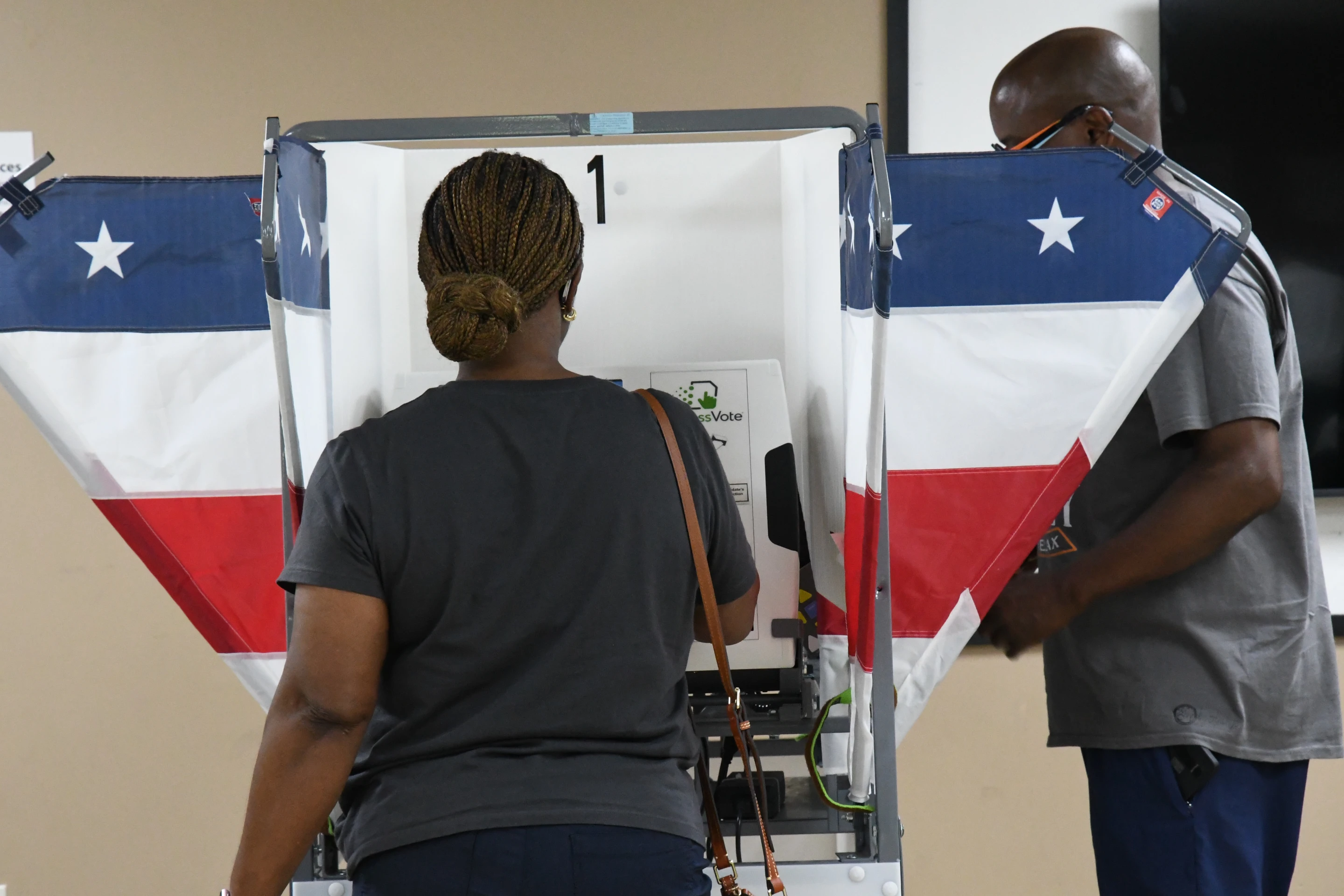
A panel of federal judges has allowed a new Tennessee congressional map to move forward after a legal challenge over changes affecting a majority-Black district in Memphis and concerns about voting representation.
Federal Court Allows Tennessee Congressional Map Changes to Proceed
A panel of federal judges has allowed a new Tennessee congressional map to remain in place after reviewing a legal challenge involving changes to a majority-Black congressional district in Memphis. The decision represents a significant development in the ongoing national debate over redistricting, voting rights, and political representation. The updated map changes the boundaries of several congressional districts, including one that previously had a large concentration of Black voters in the Memphis area. Supporters of the map argue that the changes comply with legal requirements and reflect population patterns across the state. Opponents argue that splitting a historically significant Black voting district could weaken the political influence of minority communities and raise concerns under federal voting rights protections. Redistricting battles have become increasingly common across the United States as states redraw congressional boundaries following population changes. These disputes often involve questions about fairness, representation, and whether district lines are designed to benefit particular political interests. The court’s decision allows the map to continue being used while broader legal debates remain active. The ruling is expected to influence discussions about how race, geography, and political representation are considered when drawing congressional districts.
Memphis District Changes Spark Voting Rights Debate
The controversy surrounding Tennessee’s congressional map centers largely on changes to a Memphis-area district that has historically provided significant representation for Black voters. Civil rights groups and voting advocates have argued that dividing the district could reduce the ability of minority communities to elect candidates who reflect their interests. They contend that the changes weaken the political voice of Memphis residents who have relied on the district’s previous boundaries for representation. Supporters of the new map disagree, arguing that congressional districts must be regularly adjusted to reflect population shifts and comply with constitutional requirements. They say the updated boundaries do not violate voting rights protections and create districts that better represent the state’s geographic and demographic realities. The debate reflects a broader national discussion about the role of race in redistricting. Federal law prohibits drawing districts in ways that intentionally discriminate against voters, but courts have frequently examined how race and political considerations interact during the redistricting process. The Tennessee case highlights the continuing challenges states face when balancing legal standards with competing views about fair representation.
Redistricting Battles Continue Across the United States
The Tennessee congressional map dispute is part of a larger wave of redistricting battles taking place across the country. After every national census, states redraw legislative boundaries to account for population changes, but these decisions often lead to legal challenges and political disputes. Redistricting can influence election outcomes for years because congressional districts determine how communities are represented in Washington. In many states, lawsuits have focused on whether maps unfairly favor one political party or reduce the voting power of certain communities. Courts have increasingly become involved in determining whether district boundaries comply with constitutional protections and federal voting laws. Supporters of stronger voting protections argue that district lines should ensure communities have meaningful representation. Others emphasize that redistricting is a political process handled by elected officials and state governments. The Tennessee decision adds to a growing collection of court rulings shaping how states approach congressional maps. As elections approach, redistricting decisions remain a major issue for candidates, voters, and political organizations across the country.
Court Reviews Claims Over Voting Rights Protections
Legal challenges to congressional maps often involve questions about whether changes violate protections established under federal voting rights laws. Plaintiffs challenging Tennessee’s map argued that the changes affecting the Memphis district could reduce minority voters’ ability to influence elections. They claimed that the new boundaries could fragment communities that previously shared common political interests and voting patterns. State officials defending the map argued that the changes were legally justified and that the new districts provide fair opportunities for voters across Tennessee. Federal courts reviewing redistricting disputes must consider complex legal standards involving constitutional protections, election law, and previous court decisions. These cases often require detailed analysis of population data, voting patterns, and the intent behind district boundaries. The outcome of such cases can have lasting effects on political representation. While the judges allowed Tennessee’s map to proceed, future legal proceedings could continue examining the broader issues raised by challengers. The case demonstrates the ongoing role of the judiciary in resolving disputes over election maps and voting rights.
Political Parties Watch Impact on Future Elections
Both political parties are closely monitoring redistricting decisions because congressional maps can significantly influence future election outcomes. Changes to district boundaries can alter the competitiveness of races, reshape voter coalitions, and affect which communities have the strongest representation. In Tennessee, the revised map has drawn attention because of its potential impact on Memphis-area voters and statewide political dynamics. Republicans who support the map argue that it creates districts based on geographic considerations and legal standards. Democrats and voting rights advocates have criticized the changes, arguing that they could reduce minority representation. The dispute reflects a broader national pattern where both parties have challenged maps they believe disadvantage their interests. Redistricting has become one of the most important political issues before election cycles because decisions made during the process can shape representation for years. Political organizations are expected to continue analyzing the impact of Tennessee’s map as candidates prepare for future campaigns. The issue demonstrates how closely connected election rules are to political power and representation.
Future of Tennessee Redistricting Remains Uncertain
Although federal judges have allowed Tennessee’s congressional map to move forward, the broader debate over redistricting and representation is expected to continue. Legal challenges, appeals, and additional reviews can influence whether district boundaries remain unchanged in the future. The case reflects a larger national conversation about how democracy should balance population changes, political interests, and protections for minority voters. As states continue managing redistricting issues, courts will remain central in determining whether maps meet constitutional and legal requirements. For voters in Memphis and across Tennessee, the outcome could affect how communities are represented in Congress for years to come. The debate also highlights the importance of participation in the redistricting process and public awareness of how district boundaries are created. As election maps continue evolving, questions about fairness, representation, and voting rights will remain at the center of American political discussions.