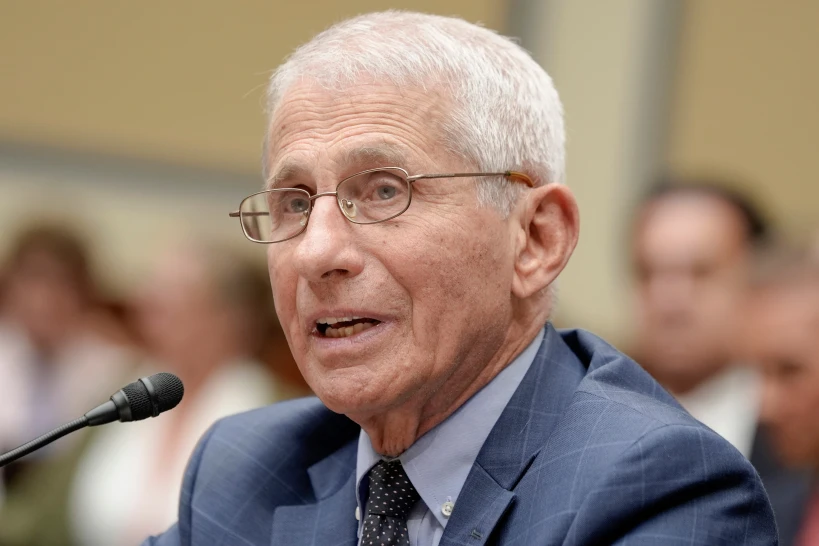
Former National Institute of Allergy and Infectious Diseases Director Anthony Fauci returned to Capitol Hill to answer renewed questions from Senate Republicans about the origins of COVID-19, government research oversight, and the federal response to the pandemic.
Senate Hearing Renews Debate Over COVID-19 Origins
Former National Institute of Allergy and Infectious Diseases (NIAID) Director Dr. Anthony Fauci once again appeared before Senate lawmakers as Republicans renewed their examination of the origins of the COVID-19 pandemic and the federal government's handling of scientific research before the global health crisis. The hearing reflected the continued political and scientific interest surrounding one of the most consequential public health events in modern history. Republican members of the Senate questioned Fauci about government-funded research, communication between federal agencies, international scientific collaboration, and decisions made during the early months of the pandemic. Several senators argued that Congress still has unanswered questions regarding research oversight, transparency, and the federal response. Fauci defended his actions throughout his decades of public service, stating that decisions made during the pandemic were based on the best available scientific evidence at the time. He emphasized that scientific understanding evolved rapidly as researchers learned more about the novel coronavirus and that public health guidance changed accordingly. The hearing revisited competing theories regarding the origins of SARS-CoV-2, including the possibility of natural animal-to-human transmission and the hypothesis that the virus may have originated through a laboratory-related incident. Federal agencies and intelligence organizations have reached differing assessments regarding these possibilities, and no definitive consensus has been established publicly. Lawmakers stressed that understanding the pandemic's origin is important for preventing future outbreaks, strengthening global health security, and improving oversight of high-risk biological research. Democrats on the committee largely focused on scientific evidence and pandemic preparedness, while Republicans emphasized accountability and government transparency. The hearing underscored that, years after the pandemic began, questions surrounding COVID-19's origins remain both scientifically significant and politically contentious.
Republicans Focus on Research Oversight and Federal Transparency
A central theme of the Senate hearing involved questions about federal oversight of biomedical research, particularly projects involving international scientific collaboration. Republican senators sought clarification regarding grant funding, laboratory safety standards, and communication between federal agencies responsible for supporting infectious disease research. Several lawmakers questioned whether federal agencies had provided Congress with complete information during earlier investigations. They argued that improving transparency is essential for maintaining public trust and ensuring effective oversight of taxpayer-funded scientific research. Fauci responded that research funding decisions followed established scientific review processes and federal regulations. He stated that grant approvals and oversight mechanisms involved multiple agencies and independent scientific experts rather than decisions made by a single official. The discussion also examined how research partnerships with international institutions are monitored. Senators debated whether existing regulations sufficiently address biosafety, reporting requirements, and accountability for collaborative research involving potentially dangerous pathogens. Some Republican members argued that Congress should strengthen oversight mechanisms governing high-containment laboratories and federally supported research programs. They proposed additional reporting requirements and expanded congressional review of certain international research activities. Supporters of biomedical research cautioned that international scientific cooperation remains essential for monitoring emerging diseases, developing vaccines, and improving global health preparedness. They argued that oversight reforms should preserve scientific collaboration while strengthening accountability. The hearing demonstrated the continuing congressional effort to evaluate whether existing research governance systems require changes following lessons learned during the COVID-19 pandemic.
Fauci Defends Public Health Decisions During the Pandemic
Throughout the hearing, Dr. Fauci defended the public health recommendations issued during the COVID-19 pandemic, emphasizing that guidance evolved alongside emerging scientific evidence. He argued that federal health officials faced unprecedented challenges while responding to a rapidly spreading virus that initially presented numerous unknowns. Fauci noted that recommendations regarding masking, vaccination, testing, distancing, and treatment changed as researchers gained better understanding of the virus's transmission, severity, and variants. He maintained that updating guidance based on new evidence represents a normal part of scientific decision-making rather than inconsistency. Republican senators questioned several public health policies implemented during the pandemic, including messaging surrounding vaccines, school closures, business restrictions, and mitigation measures. Some lawmakers argued that certain decisions had lasting economic, educational, and social consequences. Fauci acknowledged that policymakers often had to balance competing public health, economic, and societal considerations under rapidly changing circumstances. He emphasized that many decisions involved collaboration among federal agencies, state governments, medical experts, and elected officials rather than being directed by a single individual. The former health official also reiterated that vaccination campaigns, expanded testing, and medical research contributed significantly to reducing severe illness and deaths during later stages of the pandemic. He stressed that continued investment in infectious disease preparedness remains critical for addressing future public health emergencies. While lawmakers disagreed over aspects of the federal response, both parties generally recognized the importance of reviewing pandemic experiences to improve future emergency planning and strengthen national health security.
Pandemic Origins Remain Subject of Scientific Investigation
One of the most closely watched portions of the hearing involved discussion of competing theories regarding how the COVID-19 pandemic began. Scientists continue studying available evidence while governments and intelligence agencies have conducted independent investigations into the virus's origins. The two primary hypotheses remain natural zoonotic transmission, in which the virus spread from animals to humans, and a laboratory-related incident involving research activities. Publicly available assessments from various U.S. agencies have not reached a unanimous conclusion, and scientific investigations continue. Fauci stated that determining the precise origin of SARS-CoV-2 requires continued scientific inquiry rather than political conclusions. He emphasized that researchers should have access to relevant data, laboratory records, epidemiological evidence, and international cooperation necessary to complete ongoing investigations. Several senators argued that transparency from foreign governments and research institutions remains essential for resolving unanswered questions. Others cautioned against drawing conclusions before definitive evidence becomes available. Scientific organizations continue examining viral genetics, early outbreak data, wildlife surveillance, and laboratory practices in an effort to better understand the emergence of the virus. Researchers note that identifying pandemic origins can improve preparedness for future infectious disease threats. Experts also emphasize that origin investigations have broader implications beyond assigning responsibility. Better understanding how pandemics begin may strengthen surveillance systems, biosafety practices, international cooperation, and early warning capabilities for future outbreaks. The hearing highlighted that, despite years of investigation, the question of COVID-19's origin remains an active area of scientific and governmental inquiry.
Congress Looks Ahead to Future Pandemic Preparedness
Beyond revisiting past decisions, senators used the hearing to discuss how the United States can improve preparedness for future public health emergencies. Lawmakers from both parties acknowledged that the COVID-19 pandemic exposed strengths and weaknesses within the nation's health infrastructure, emergency planning, and research systems. Areas receiving particular attention included disease surveillance, laboratory safety standards, vaccine development, supply chain resilience, public communication, and coordination between federal and state governments. Many lawmakers argued that lessons learned during the pandemic should guide future legislative reforms. Some senators proposed strengthening congressional oversight of federal health agencies while increasing transparency regarding scientific advisory processes. Others emphasized the need to maintain strong investments in biomedical research, public health infrastructure, and international disease monitoring. Fauci encouraged continued funding for infectious disease research, arguing that future outbreaks remain inevitable and that preparedness requires sustained scientific investment rather than temporary emergency measures. He noted that advances in vaccine technology, diagnostics, and therapeutics developed during COVID-19 could improve responses to future emerging diseases. Political disagreements over the pandemic continue to shape discussions about public health policy, government accountability, and scientific communication. However, many lawmakers agreed that preventing future pandemics should remain a bipartisan priority. As congressional investigations continue, policymakers are expected to examine additional reforms involving research oversight, emergency response planning, international health cooperation, and federal preparedness programs. The Senate hearing demonstrated that the COVID-19 pandemic continues to influence both public policy and political debate years after the initial global outbreak.