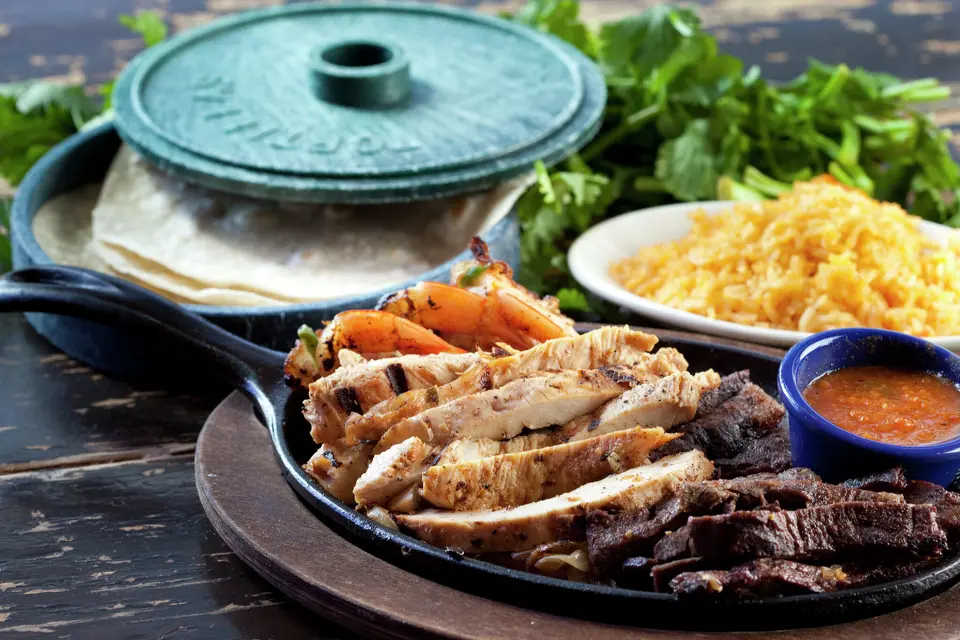
An opinion analysis examines why Texas restaurants are struggling and explores potential solutions, including reducing costs, supporting small businesses and creating stronger conditions for local dining establishments to survive.
Texas’ Restaurant Industry Faces Growing Pressure
Restaurants across Texas are facing increasing challenges as rising operating costs, labor shortages and changing consumer habits put pressure on independent businesses. For many owners, maintaining a profitable restaurant has become significantly more difficult despite strong demand for local dining experiences. The closure of restaurants affects more than business owners. Local restaurants often serve as community gathering places, provide employment opportunities and contribute to the identity of neighborhoods and cities. Industry leaders say the problem is not a lack of creativity or customer interest. Instead, many restaurants are struggling with a combination of higher expenses, tighter margins and economic uncertainty. Addressing these challenges will require solutions that support both business sustainability and the communities that rely on local restaurants.
Rising Costs Are Squeezing Independent Restaurants
One of the biggest challenges facing Texas restaurants is the increase in operating expenses. Food prices, rent, insurance, utilities and labor costs have all affected profit margins. Unlike large restaurant chains, independent restaurants often have fewer resources to absorb sudden cost increases. A small rise in expenses can significantly impact businesses already operating with limited financial flexibility. Restaurant owners say they are often forced to make difficult choices, including raising menu prices, reducing staff hours or cutting services to remain open. Economic experts note that restaurants typically operate with narrow profit margins, meaning even small changes in costs can determine whether a business succeeds or closes.
Labor Challenges Continue to Impact the Industry
Finding and retaining workers remains another major challenge for many restaurants. Owners report difficulties hiring experienced employees while also managing increased expectations around wages, benefits and workplace conditions. Restaurant jobs often require long hours and demanding schedules, making employee retention a continuing issue for many businesses. Some owners have responded by investing in technology, adjusting schedules or redesigning operations to reduce labor pressure. However, smaller restaurants may struggle to afford these changes. Industry experts argue that long-term solutions require improving workforce stability while ensuring restaurants can continue operating financially.
Local Restaurants Need More Than Temporary Support
While short-term assistance programs can help during difficult periods, restaurant owners say long-term solutions require addressing the underlying challenges affecting small businesses. Possible approaches include reducing unnecessary regulatory burdens, improving access to financing and creating policies that recognize the economic role of independent restaurants. Communities can also support local restaurants by choosing neighborhood businesses, participating in local dining events and recognizing the value these establishments bring beyond food service. Restaurant advocates argue that protecting local dining scenes requires cooperation between business owners, customers and policymakers.
Innovation Could Help Restaurants Adapt
Many Texas restaurants are experimenting with new strategies to survive, including expanded takeout options, updated menus, community events and technology improvements. Successful restaurants often adapt by understanding changing customer preferences while maintaining the qualities that made them popular in the first place. Experts say innovation alone cannot solve every challenge, but businesses that combine creativity with strong financial planning may have better chances of long-term survival. The future of Texas restaurants may depend on their ability to adapt while receiving support from the communities they serve.
Protecting Texas’ Restaurant Culture
Texas has built a strong reputation for its diverse food culture, from family-owned restaurants to innovative culinary businesses. The loss of these establishments represents more than economic change — it affects local identity and community connections. Ensuring restaurants can survive requires recognizing their role as small businesses, employers and cultural institutions. The solution will not come from a single policy or action. It will require a combination of responsible business practices, community support and policies that allow entrepreneurs to operate successfully. If Texas wants to preserve its restaurant culture, leaders and residents must work together to create conditions where local restaurants can continue to thrive.