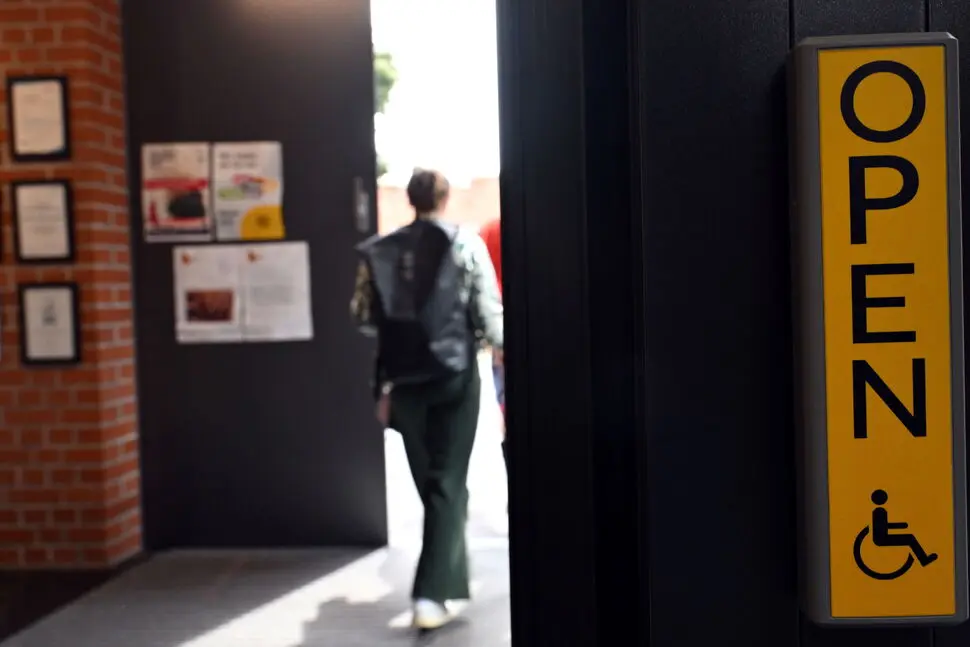
The growing number of college students with disabilities highlights the need for universities to expand accessibility services, improve support systems, and create more inclusive learning environments.
Growing Disability Enrollment Challenges Higher Education Systems
Colleges and universities across the United States are experiencing a significant increase in the number of students with disabilities, creating new challenges and opportunities for institutions to improve accessibility and support services. More students with physical, learning, developmental, and mental health-related disabilities are pursuing higher education than in previous generations, reflecting greater awareness, improved identification, and stronger efforts toward inclusion. However, many schools are struggling to keep pace with the growing demand for accommodations, specialized resources, and personalized support. Disability advocates say the increase should be viewed as a positive sign because more students who previously faced barriers are now accessing college opportunities. At the same time, institutions must recognize that enrollment growth requires expanded systems to ensure students can fully participate in academic and campus life. Universities are being encouraged to move beyond basic compliance with disability laws and develop comprehensive approaches that promote accessibility from the beginning. Experts argue that creating inclusive campuses benefits not only students with disabilities but the entire academic community by encouraging flexible learning methods and stronger support networks. The rise in disability enrollment represents a major shift in higher education and highlights the need for continued investment in accessibility.
Students Seek More Than Basic Disability Accommodations
Many students with disabilities say traditional accommodation systems are not always enough to address the challenges they face in college environments. While accommodations such as extended testing time, note-taking assistance, accessible materials, and classroom adjustments remain important, students often need broader support to succeed academically and socially. College life requires students to manage schedules, communicate with professors, navigate campus facilities, and make independent decisions about their education. For some students with disabilities, these responsibilities can create additional barriers without adequate institutional support. Disability advocates say universities should provide more proactive services instead of requiring students to repeatedly request help. This includes improving accessibility in digital platforms, creating inclusive classroom practices, and training faculty members on how to support diverse learning needs. Students often report that the process of requesting accommodations can be complicated and stressful, especially when they are adjusting to college life for the first time. Experts believe universities should focus on creating environments where accessibility is built into everyday operations rather than treated as a separate service. A more inclusive approach can help students feel supported and improve their chances of academic success.
Mental Health Needs Drive Increase in Disability Services Demand
One of the major factors behind the increase in students seeking disability support is the growing recognition of mental health conditions in higher education. More students are requesting assistance related to anxiety disorders, depression, attention-related conditions, and other mental health challenges that can affect academic performance. Colleges have expanded counseling services and disability support programs to respond to these changing needs, but many institutions continue facing resource limitations. The increased demand has placed pressure on campus offices responsible for reviewing accommodation requests and providing ongoing assistance. Experts say mental health-related disabilities require flexible and individualized approaches because students may experience different challenges depending on their circumstances. Universities are being encouraged to strengthen partnerships between disability services, counseling centers, academic advisors, and student support programs. A coordinated approach can help ensure that students receive appropriate resources without navigating multiple disconnected systems. The growing recognition of mental health needs represents a broader change in how colleges understand disability and student success.
Accessibility Must Extend Across Campus Technology and Learning
As education becomes increasingly digital, accessibility challenges are expanding beyond physical campus spaces. Online learning platforms, digital textbooks, educational software, and classroom technology must be designed to accommodate students with different abilities. Students with visual, hearing, cognitive, or learning disabilities may face barriers when digital materials are not created with accessibility standards in mind. Universities are being encouraged to evaluate their technology systems and ensure that online resources are usable for all students. Experts say accessibility should be considered during the development and purchasing of educational technology rather than addressed only after problems appear. Faculty training is also considered essential because instructors play a major role in creating accessible learning environments. Simple changes, such as providing materials in multiple formats, using clear course structures, and incorporating flexible teaching methods, can make a significant difference. As colleges rely more heavily on technology, accessibility must remain a central part of digital transformation strategies.
Colleges Face Pressure to Improve Support Infrastructure
The increase in students with disabilities has highlighted the need for universities to strengthen their disability support infrastructure. Many campus disability offices have experienced rising workloads as more students request services, but staffing levels and resources have not always increased at the same pace. Professionals working in disability services say additional funding, training, and institutional commitment are needed to meet growing demand. Universities are also being encouraged to collect better data on student experiences and outcomes to identify areas where improvements are needed. Creating stronger support systems requires collaboration between administrators, faculty members, students, and accessibility professionals. Experts emphasize that disability inclusion should be considered a campus-wide responsibility rather than the responsibility of one department. Schools that invest in accessibility often create better learning environments for all students by promoting flexibility, understanding, and innovation. Meeting the needs of students with disabilities is increasingly becoming a measure of how effectively colleges support diverse student populations.
Inclusive Education Benefits the Entire Campus Community
The growing number of college students with disabilities presents an opportunity for universities to rethink how they approach education, accessibility, and student success. Rather than viewing disability support as a specialized service, experts say institutions should recognize accessibility as a fundamental part of creating effective learning environments. Inclusive education practices can improve experiences for students with and without disabilities by encouraging clearer communication, flexible teaching methods, and stronger campus connections. As more students pursue higher education, colleges must ensure that their systems evolve to meet changing needs. The goal is not only to provide accommodations but to create campuses where students with disabilities can participate fully and achieve their academic goals. Universities that prioritize accessibility demonstrate a commitment to equal opportunity and educational excellence. The continued growth in disability enrollment serves as a reminder that higher education must adapt to better serve the diverse communities it welcomes.