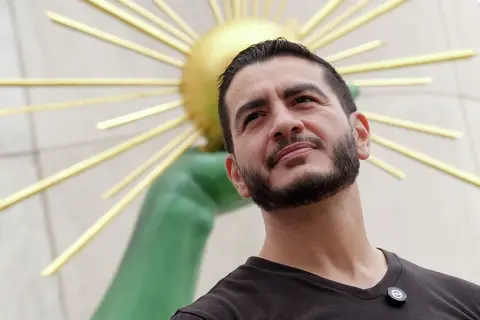
An opinion analysis argues that voters should look beyond populist politics and evaluate candidates based on governance, expertise and policy outcomes, using Ken Paxton and Abdul El-Sayed as examples of competing political approaches.
A Debate Over Populism and Political Identity
The growing influence of populist politics has reshaped elections across the United States, with candidates increasingly building campaigns around anger, distrust of institutions and promises of dramatic change. Supporters say populism gives ordinary voters a stronger voice, while critics argue it can oversimplify complex problems and weaken effective governance. The political debate surrounding figures such as Texas Attorney General Ken Paxton and Michigan politician Abdul El-Sayed reflects broader questions about what voters should prioritize when choosing leaders. Their political identities represent different approaches to government, public policy and the role of institutions. The argument that voters should 'swap' candidates is less about personality and more about challenging political assumptions. It raises questions about whether voters are choosing leaders based on practical solutions or ideological loyalty. As elections become increasingly polarized, critics of populism argue that voters should focus more on competence, accountability and measurable results rather than political branding.
Ken Paxton and the Politics of Conservative Populism
Ken Paxton has become one of the most prominent figures in conservative politics, known for his aggressive legal challenges against federal policies and his alignment with the populist wing of the Republican Party. Supporters view Paxton as a defender of conservative values and an official willing to challenge government institutions they believe have exceeded their authority. His approach has attracted voters who favor confrontation with political opponents and federal agencies. Critics, however, argue that political conflict should not replace effective administration and that leaders must be judged by transparency, governance standards and institutional responsibility. The debate surrounding Paxton reflects a larger discussion within American politics over whether elected officials should prioritize ideological battles or focus primarily on policy implementation.
Abdul El-Sayed and a Different Progressive Approach
Abdul El-Sayed represents a different political model centered on progressive policy ideas, including healthcare access, economic inequality and government programs designed to expand social support. Supporters argue that his approach focuses on addressing structural problems and improving public services. They view government action as an important tool for reducing inequality and expanding opportunities. Critics of progressive politics often question the cost, scope and effectiveness of larger government programs, arguing that policies must consider economic realities and unintended consequences. The debate over El-Sayed reflects broader disagreements within the Democratic Party about the balance between ambitious reforms and practical governance.
The Case Against Choosing Leaders Through Populist Appeals
The rise of populism has changed how many voters evaluate political candidates. Campaigns increasingly emphasize cultural issues, political conflict and opposition to established institutions. Supporters say populist movements give voice to communities that feel ignored by traditional political leaders. Critics argue that populism can encourage division and prioritize symbolic victories over long-term solutions. Political analysts say voters benefit when they examine candidates beyond their slogans and consider their records, leadership abilities and policy outcomes. A focus on governance rather than political identity could encourage more informed decision-making and reduce the influence of extreme political messaging.
Voters Face a Choice Between Symbolism and Results
The broader lesson from debates involving politicians across the ideological spectrum is that elections often involve a choice between symbolic representation and practical results. Candidates who appeal strongly to a political base may succeed electorally, but governing requires compromise, expertise and the ability to manage complex challenges. Voters evaluating political leaders must consider whether candidates can deliver on promises, work within institutions and address problems beyond campaign messaging. The debate over populism is ultimately a debate about what citizens expect from government: confrontation and ideological victories, or steady leadership focused on measurable outcomes.