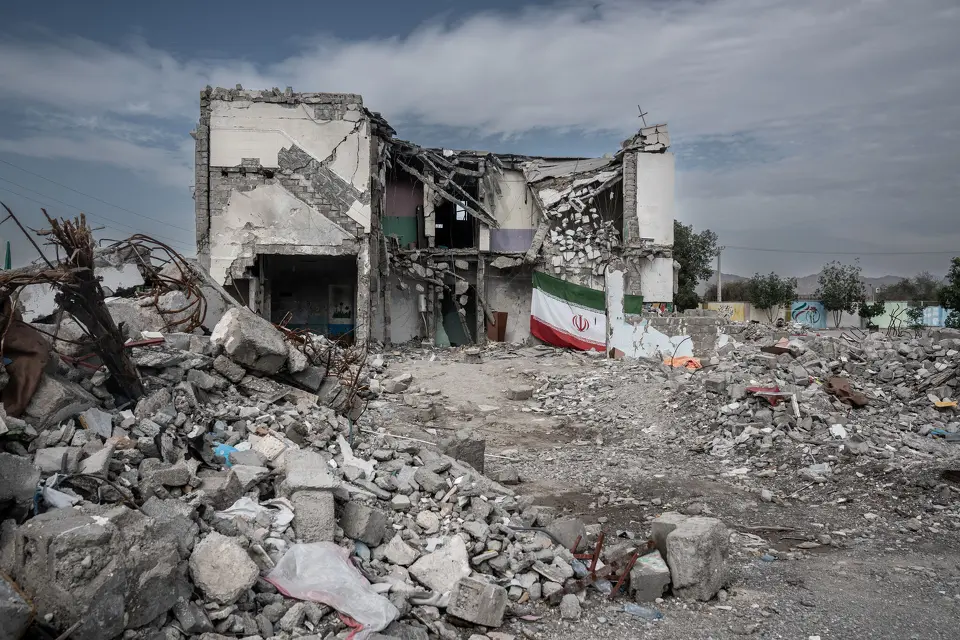
An opinion analysis argues that rising U.S. military spending linked to the conflict with Iran deserves the same attention as the nation’s growing debt burden, as taxpayers face the long-term financial consequences of war.
War Costs Add Pressure to America’s Debt Challenges
The United States has spent decades debating the size of its national debt, but the financial consequences of military conflicts remain a central part of that discussion. As the cost of operations involving Iran continues to rise, some policymakers and taxpayers are questioning how war spending affects the country’s long-term financial stability. National debt debates often focus on government programs, interest payments and economic growth, but military spending represents a significant portion of federal expenditures. Large-scale conflicts can create additional financial obligations that extend beyond the immediate battlefield. Critics argue that the United States must consider not only the strategic goals of military action but also the economic consequences for future generations. The debate highlights a broader question about how the country balances national security priorities with fiscal responsibility.
Military Operations Create Long-Term Financial Obligations
The costs of war are not limited to weapons, operations and deployments. Military conflicts can create long-term expenses involving veterans’ healthcare, equipment replacement, military readiness and reconstruction efforts. Historically, many war-related costs continue years after active combat operations end. These obligations can affect future federal budgets and influence spending priorities across government. Supporters of military action argue that national security investments are necessary to protect American interests and prevent larger threats. However, fiscal conservatives and budget analysts say every military decision should include a clear assessment of affordability and long-term economic impact.
Iran Conflict Raises Questions About Spending Priorities
The conflict with Iran has renewed debate over how much the United States should spend on overseas military operations while facing domestic financial challenges. Some lawmakers argue that maintaining a strong military presence is essential to protecting allies, securing global energy routes and countering regional threats. Others argue that prolonged military involvement creates significant financial burdens and that more resources should be directed toward domestic priorities such as infrastructure, healthcare and economic development. The disagreement reflects a long-running debate over America’s role in global affairs and the balance between defense spending and fiscal discipline.
Taxpayers Face the Impact of Expanding Defense Costs
Government borrowing allows the United States to finance military operations without immediately raising taxes or cutting other programs, but increased debt creates future financial obligations. Interest payments on federal borrowing continue to grow, limiting the government’s flexibility in responding to future economic challenges. Budget experts warn that rising debt levels can reduce the ability of future administrations to respond to crises, invest in economic priorities or manage unexpected expenses. The cost of war therefore becomes part of a larger discussion about responsible government spending.
Supporters Say Security Requires Investment
Those supporting increased defense spending argue that national security cannot be measured only in financial terms. They say preventing threats, protecting allies and maintaining military readiness require significant investment. Supporters contend that the cost of failing to address security challenges could be greater than the cost of military action. They also argue that defense spending supports jobs, technological development and industries that contribute to the broader economy. The challenge for policymakers is determining the appropriate level of spending while maintaining financial sustainability.
A Broader Debate About America’s Future
The discussion over the cost of war with Iran reflects a larger national debate about America’s priorities, responsibilities and economic future. A country facing record levels of debt must decide how to allocate limited resources among defense, domestic programs and investments that support long-term growth. Critics of current spending levels argue that financial discipline is essential to protecting future generations. Supporters of defense investment argue that security remains a fundamental responsibility of government. Ultimately, the debate is not only about the cost of one conflict but about how the United States defines security and manages its financial future.