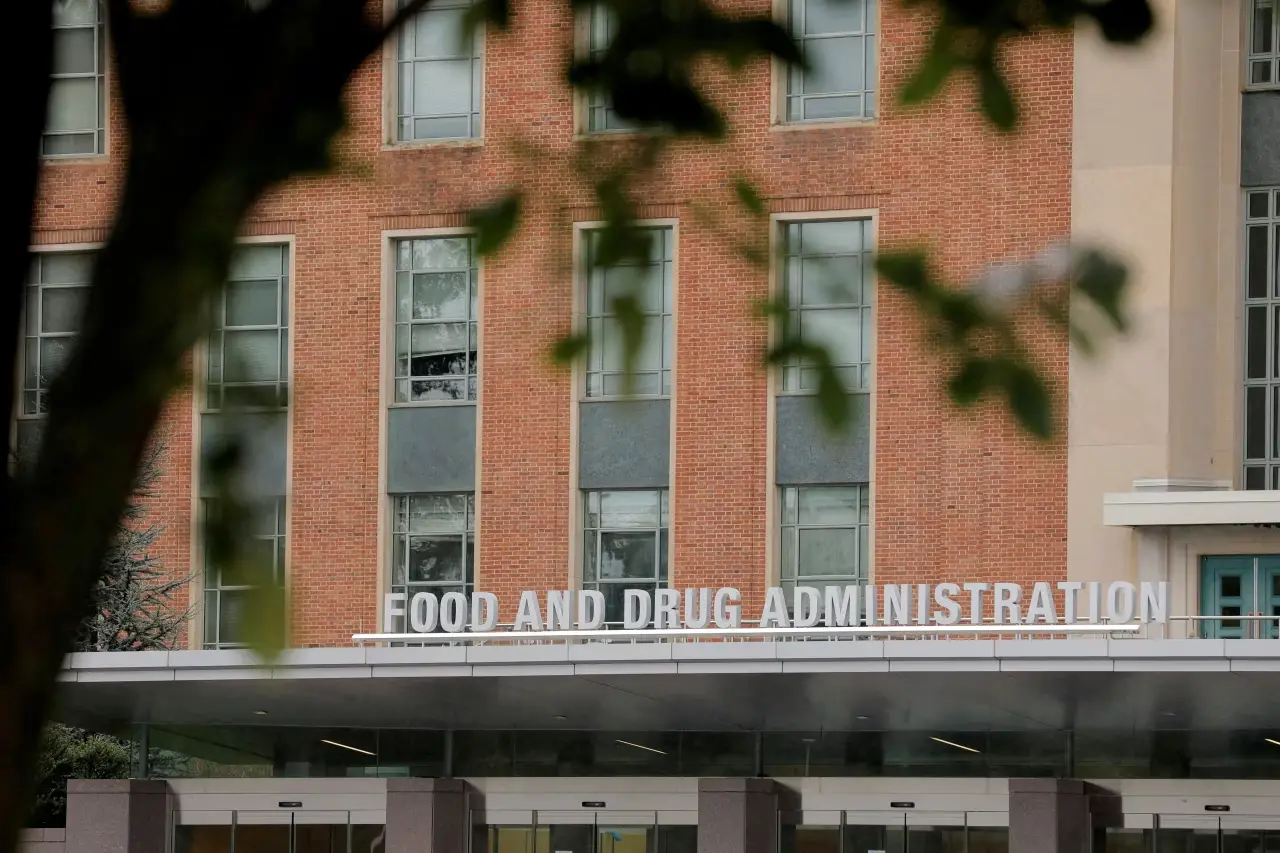
Political battles over the U.S. Food and Drug Administration have intensified as critics call for sweeping reforms while career officials, public health experts and industry leaders defend the agency's scientific independence, fueling a broader debate about regulation, accountability and public trust.
The FDA at the Center of a Political Storm
The U.S. Food and Drug Administration (FDA) has increasingly become a focal point in broader political debates over the role of federal agencies. Critics of the agency argue that entrenched bureaucratic structures have slowed innovation, delayed potentially life-saving therapies and created unnecessary regulatory burdens for pharmaceutical companies and medical researchers. Some commentators describe these long-serving officials as part of a so-called 'deep state,' suggesting that unelected career employees wield excessive influence over public policy regardless of changes in elected leadership. Others reject that characterization, arguing that the FDA's scientific workforce exists specifically to provide continuity, technical expertise and evidence-based decision-making independent of political pressure. The disagreement reflects larger national conversations about how federal institutions should balance scientific independence with democratic accountability.
Calls for Reform Have Grown Louder
Advocates for reform contend that the FDA's approval process has become increasingly complex, resulting in higher development costs and slower access to innovative medicines. They argue that emerging technologies such as artificial intelligence, gene editing, personalized medicine and advanced biotechnology require regulatory systems capable of adapting more quickly than traditional review frameworks. Some lawmakers and policy analysts have proposed restructuring parts of the agency, expanding accelerated approval pathways, increasing transparency in decision-making and reducing administrative barriers that they believe discourage innovation. Supporters of these reforms maintain that modernizing regulatory processes could improve patient access while preserving appropriate safety standards. They argue that regulatory efficiency and scientific rigor are not mutually exclusive and that both can be strengthened through carefully designed reforms.
Defenders Emphasize Scientific Independence
Career scientists, public health experts and many former FDA officials argue that the agency's independence is one of its greatest strengths. They maintain that rigorous scientific review protects patients by ensuring that medicines, vaccines and medical devices meet established standards for safety, effectiveness and manufacturing quality before reaching the market. According to this view, regulatory decisions should be based primarily on clinical evidence rather than political considerations or commercial pressures. Public health advocates caution that weakening scientific oversight could increase the risk of unsafe or ineffective products entering the healthcare system. They also note that public confidence in medicines depends heavily on the perception that approval decisions are made objectively and according to transparent scientific standards.
Balancing Innovation with Public Safety
The debate surrounding the FDA ultimately centers on a longstanding policy challenge: how to encourage medical innovation while maintaining robust protections for patients. Pharmaceutical companies generally seek predictable and efficient regulatory pathways that reduce uncertainty and accelerate product development. At the same time, regulators must evaluate extensive clinical data to determine whether new treatments provide meaningful benefits that outweigh potential risks. Advances in biotechnology, artificial intelligence and precision medicine continue to test existing regulatory frameworks, requiring agencies around the world to adapt without compromising scientific integrity. Many policy experts believe future reforms should focus on improving efficiency, increasing transparency and incorporating new technologies into the review process while preserving the agency's evidence-based approach.
Public Trust Remains the Central Question
Whether framed as concerns about bureaucracy, institutional independence or political accountability, the ongoing debate over the FDA highlights the importance of maintaining public trust in healthcare regulation. Patients rely on the agency to evaluate medicines using rigorous scientific standards, while researchers and manufacturers depend on predictable regulatory processes to bring new therapies to market. Finding the right balance between responsiveness, innovation and independent scientific review will likely remain a central policy issue as medical technology continues advancing. Regardless of political perspective, most stakeholders agree that an effective regulatory system should be transparent, accountable and capable of protecting public health while supporting continued scientific progress. The challenge for policymakers will be achieving these goals without allowing either excessive bureaucracy or excessive political influence to undermine confidence in one of the nation's most important public health institutions.