An opinion piece argues that Texas should expand its investment in electric school buses, saying the technology can reduce pollution, lower long-term costs and improve health outcomes for students across the state.
Electric School Buses Are Moving From Idea to Reality
Electric school buses are no longer a distant concept. Across the United States, school districts are already replacing traditional diesel buses with cleaner electric alternatives, and Texas has an opportunity to build on that progress. For decades, diesel school buses have been a familiar part of American communities, transporting millions of children every day. However, concerns about air pollution, operating costs and student health have encouraged districts to explore cleaner transportation options. Electric buses offer a practical solution by reducing tailpipe emissions and providing quieter transportation for students. The question facing Texas is not whether electric school buses are possible, but how quickly communities can expand access to the technology.
Health Benefits for Students and Communities
One of the strongest arguments for electric school buses is the potential health benefit for children. Diesel exhaust contains pollutants that can contribute to respiratory problems and worsen air quality around schools. Children are particularly vulnerable to air pollution because their lungs are still developing and they often spend significant time near school transportation systems. Electric buses produce no tailpipe emissions, helping reduce exposure to harmful pollutants during daily commutes. Supporters argue that cleaner transportation is not only an environmental investment but also a public health measure that directly affects students and families.
Long-Term Savings Could Benefit School Districts
Although electric school buses typically have higher upfront costs than traditional diesel buses, supporters argue that they can provide financial benefits over time. Electric vehicles generally require less maintenance because they have fewer moving parts and do not require many of the mechanical systems associated with diesel engines. Fuel savings can also reduce operating expenses, especially as electricity prices remain more stable compared with traditional fuel markets. For school districts managing limited budgets, long-term savings could create opportunities to invest more resources into classrooms and educational programs.
Texas Has the Scale to Lead the Transition
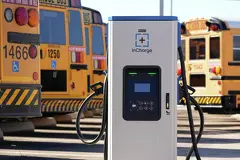
Texas operates one of the largest school transportation networks in the country, making the state a significant opportunity for expanding electric bus adoption. Supporters say Texas has the energy infrastructure, manufacturing capacity and technology sector needed to become a leader in electric transportation. The state’s growing renewable energy industry could also support efforts to reduce emissions from school transportation. However, expanding electric bus fleets will require planning, including charging infrastructure, grid capacity and financial support for districts.
Challenges Remain for Rural and Smaller Districts
Despite the benefits, transitioning to electric school buses presents challenges, particularly for rural school districts with limited resources. The cost of purchasing new buses, installing charging stations and upgrading electrical systems can create barriers for communities with smaller budgets. Transportation officials also must consider route lengths, charging schedules and weather conditions when determining whether electric buses meet local needs. Experts say successful adoption will require targeted support programs that ensure rural communities are not left behind.
A Chance to Build a Cleaner Transportation Future
The move toward electric school buses represents a broader shift in how communities think about transportation, energy and public health. Texas has the opportunity to expand a technology that is already working in school districts across the country while creating benefits for students, families and taxpayers. The transition will not happen overnight, but supporters argue that early investment can help communities prepare for the future. As Texas considers its transportation priorities, electric school buses offer a practical opportunity to improve air quality, reduce costs and create a healthier environment for the next generation.