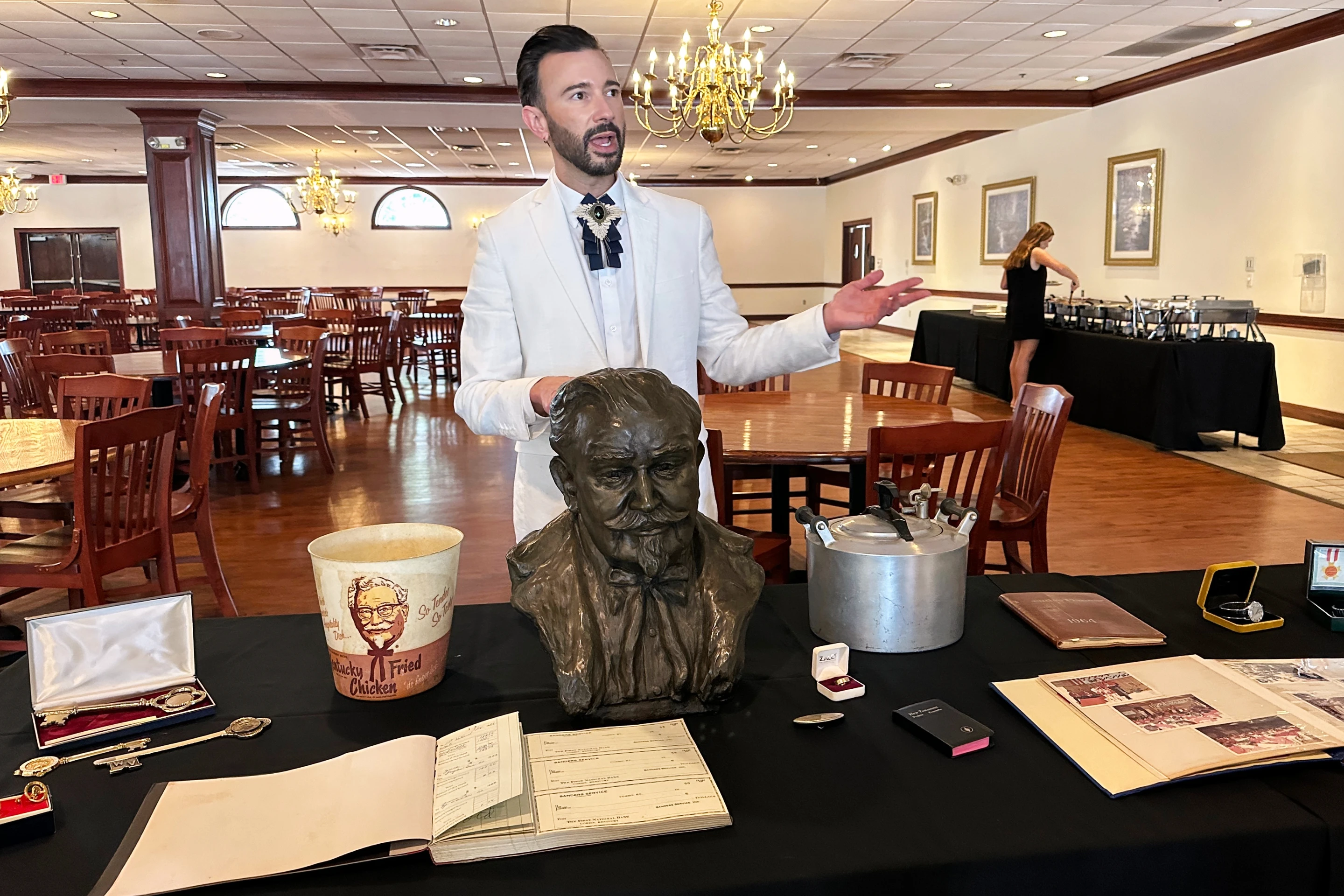
Personal belongings once owned by KFC founder Colonel Harland Sanders—including his iconic black bow tie and a handwritten 1964 planner—fetched thousands of dollars at a Kentucky auction celebrating the legacy of one of America's most recognizable entrepreneurs.
Historic Memorabilia Draws Worldwide Interest
Collectors from around the world gathered in Shelbyville, Kentucky, as dozens of personal belongings once owned by KFC founder Colonel Harland Sanders went under the hammer. Organized by The Menish Group, the auction featured more than 60 items spanning Sanders' personal life and business career, attracting bidders eager to own a piece of fast-food history. Among the most anticipated items was Sanders' signature black clip-on bow tie, one of the defining elements of the image that helped transform Kentucky Fried Chicken into a globally recognized brand. The bow tie sold for 8,000 dollars, while Sanders' personal planner from 1964 became the highest-selling item of the evening, fetching 30,000 dollars. Other memorabilia included his original cash register, engraved pressure cookers, carving knives, watches, business documents, and a Kentucky Colonel certificate. The collection also featured personal correspondence, photographs, and household items preserved by a family that acquired them directly from Sanders decades ago. Auction organizers described the sale as one of the most significant collections of Colonel Sanders memorabilia ever offered publicly, reflecting the enduring fascination with the entrepreneur who became one of the world's earliest global restaurant icons.
The Planner That Sparked Secret Recipe Speculation
The standout item of the auction was Colonel Sanders' 1964 personal planner, which sold for 30,000 dollars after attracting intense interest from collectors. The planner became famous years earlier because it contained a handwritten list of 11 herbs and spices that many believed could reveal the legendary Kentucky Fried Chicken recipe. The notebook previously became the subject of legal disputes after its contents were discovered and questions emerged regarding whether it contained the restaurant chain's closely guarded seasoning formula. KFC reviewed the document in the past and maintained that the handwritten ingredients were not the company's original fried chicken recipe, suggesting instead that the list may have related to another food preparation. Even without confirming the famous recipe, the planner remains an extraordinary historical artifact. It provides a rare glimpse into Sanders' daily routines during one of the most important periods of his career, shortly after he sold Kentucky Fried Chicken while continuing to serve as its public ambassador. Collectors viewed the planner as both a business document and a personal time capsule from one of America's most influential entrepreneurs.
The Man Behind One of the World's Biggest Restaurant Brands
Harland Sanders began selling fried chicken from a roadside restaurant in Kentucky during the 1930s before developing the pressure-frying technique and distinctive seasoning blend that helped establish Kentucky Fried Chicken as an international success. His white suit, black string bow tie and neatly trimmed goatee became inseparable from the brand itself. After selling the company in 1964, Sanders continued travelling extensively as KFC's official spokesperson, personally visiting restaurants around the world and promoting the brand well into his later years. His carefully crafted public image helped make him one of the first truly global personalities associated with a restaurant chain. Auctioneer Bill Menish described Sanders as 'the original celebrity chef,' noting that his marketing instincts transformed him into a recognizable international figure decades before celebrity branding became commonplace. Today, Colonel Sanders' likeness remains the face of KFC restaurants operating in more than 145 countries, illustrating the remarkable longevity of a personal brand created more than half a century ago.
More Than Memorabilia Went Up for Sale
Beyond personal possessions, the auction also highlighted locations central to Sanders' life and business legacy. His longtime residence, Blackwood Hall in Shelbyville, Kentucky, along with the Claudia Sanders Dinner House operated by Sanders and his wife after the sale of KFC, were offered through separate sealed-bid auctions. Many of the household items had remained in private hands for more than five decades before becoming available to the public. The preservation of these artifacts provided historians and collectors with an unusually complete record of Sanders' personal and professional life. Among the other notable sales were historical certificates, business records, restaurant equipment and personal keepsakes that documented the growth of Kentucky Fried Chicken from a regional restaurant into one of the world's largest fast-food franchises. Auction organizers said interest extended well beyond restaurant memorabilia collectors, attracting historians, branding experts and entrepreneurs fascinated by Sanders' role in shaping modern franchising.
Colonel Sanders' Legacy Continues to Inspire
The strong auction results demonstrate the lasting cultural influence of Colonel Harland Sanders more than four decades after his death in 1980. His story—from operating a small roadside restaurant to building one of the world's best-known restaurant brands—continues to resonate with entrepreneurs and business historians alike. Collectors viewed the auction not merely as an opportunity to purchase memorabilia but as a chance to preserve pieces of American business history. Items such as the famous bow tie and handwritten planner symbolize the entrepreneurial determination, marketing creativity and personal discipline that helped Sanders build an enduring global brand. The auction also highlighted the importance of preserving everyday artifacts that document the lives of influential historical figures. Business records, personal planners, clothing and household possessions often provide valuable insights that formal corporate archives cannot capture. As Colonel Sanders' legacy continues through thousands of KFC restaurants worldwide, the sale of his personal belongings serves as a reminder that one of the most recognizable figures in the fast-food industry built his reputation through persistence, innovation and an unmistakable personal identity.