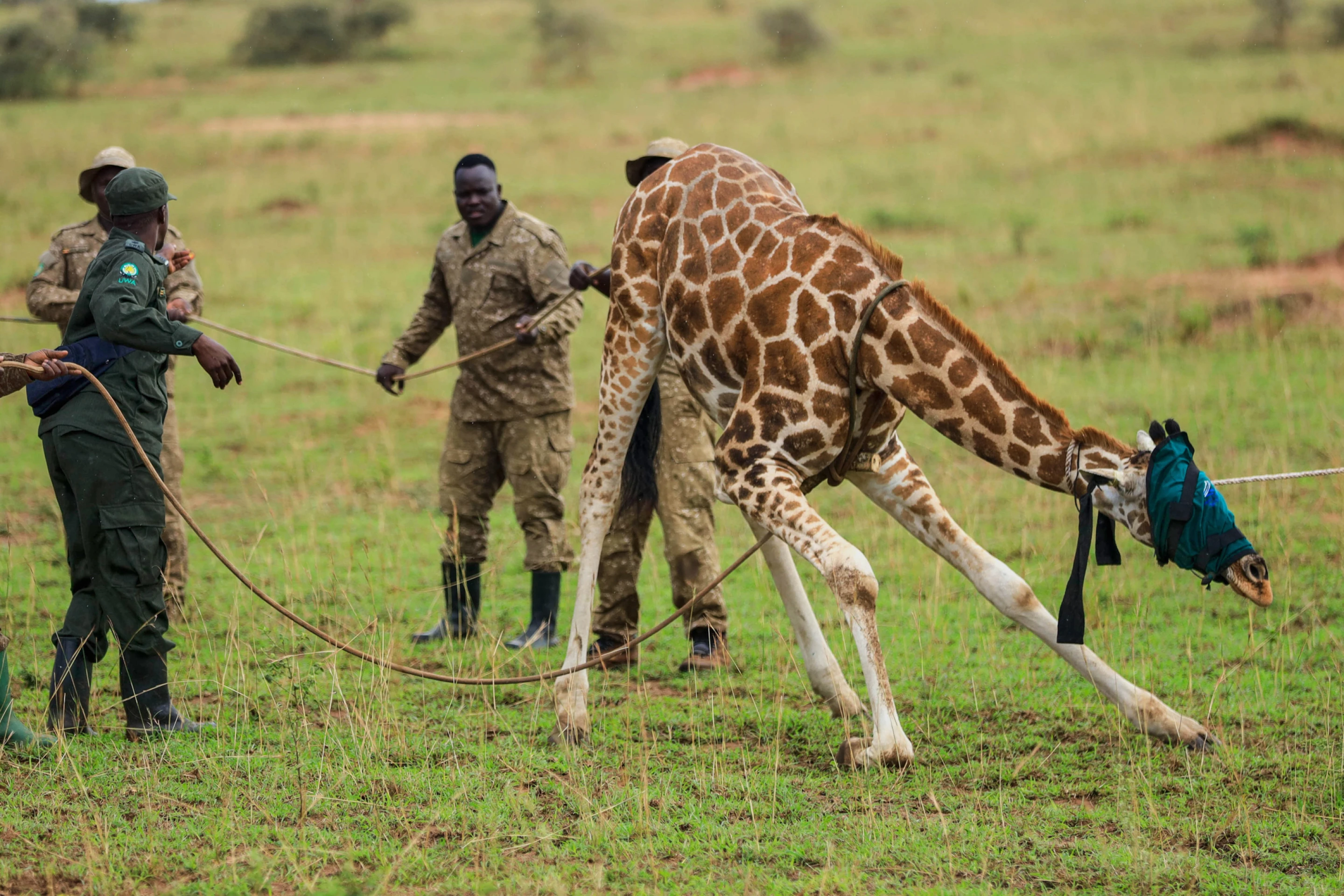
Conservation groups have relocated giraffes in Uganda to protect them from the potential impacts of oil drilling activities in the country’s largest national park, highlighting the challenge of balancing energy development and wildlife protection.
Giraffes Relocated as Uganda Balances Oil Development and Conservation
A group of giraffes in Uganda has been moved to a new habitat as conservationists work to protect wildlife from the potential impacts of oil drilling activities in the country’s largest national park. The relocation effort represents a growing challenge faced by many countries seeking to expand natural resource development while protecting important ecosystems and endangered species. Uganda’s national parks are home to diverse wildlife populations that attract visitors from around the world and contribute significantly to conservation efforts and tourism revenue. However, the discovery and development of oil resources have created new economic opportunities while also raising concerns about environmental impacts. Conservation organizations involved in the giraffe relocation say the move is intended to reduce risks to the animals and help ensure their long-term survival as industrial activities expand. Wildlife relocation is a complex process that requires careful planning, veterinary support, monitoring, and knowledge of animal behavior. Giraffes require suitable habitats with enough food sources, water availability, and space to move safely. Experts say successful relocation can help protect vulnerable species while allowing governments to pursue economic development goals. The effort highlights the difficult decisions facing countries with valuable natural resources located in environmentally sensitive areas.
Uganda’s Largest Park Faces Pressure From Oil Exploration
Uganda’s largest national park has become a focus of debate as the country moves forward with oil exploration and related infrastructure projects. The park contains important ecosystems that support a wide range of wildlife, including giraffes, elephants, lions, and numerous other species. While oil development is expected to provide economic benefits, including government revenue, employment opportunities, and energy security, environmental groups have raised concerns about potential impacts on wildlife habitats. Oil exploration can involve road construction, drilling operations, increased human activity, and changes to natural landscapes. Conservationists argue that careful planning is necessary to minimize disruption and protect biodiversity. Government officials and energy companies have stated that development activities will follow environmental standards and include measures to reduce harm. The relocation of giraffes represents one example of efforts to manage the relationship between conservation and economic growth. Wildlife experts say protecting animal populations requires ongoing monitoring as development continues. The situation reflects a broader global challenge where countries must decide how to use natural resources while preserving important ecosystems for future generations.
Conservation Teams Carefully Move Wildlife to Safer Areas
Moving giraffes from one location to another requires extensive preparation because the animals are large, sensitive, and dependent on specific environmental conditions. Conservation teams typically conduct detailed assessments before relocation, including evaluating the health of animals, selecting suitable destinations, and preparing transportation methods. Veterinary specialists monitor the animals throughout the process to reduce stress and ensure their safety. Giraffes can be particularly challenging to relocate because of their size, unique physiology, and social behaviors. Experts must consider how relocated animals will adapt to new surroundings and interact with existing wildlife populations. The success of such efforts depends on continued observation after the move to ensure the animals are feeding properly and adjusting to their new environment. Conservation organizations often use relocation as a tool when habitats face threats from human activity, climate change, or other environmental pressures. While relocation is not a replacement for protecting natural habitats, it can provide temporary solutions when immediate risks exist. The Uganda giraffe project demonstrates the increasing role of wildlife management strategies in areas experiencing rapid development.
Oil Industry Growth Creates Environmental Debate
Uganda’s oil development plans have created significant economic expectations while also generating debate about environmental responsibility. Supporters of oil projects argue that resource development can provide funding for infrastructure, public services, and economic growth. They say responsible extraction can help the country benefit from its natural resources while improving living standards. Environmental groups, however, warn that oil activities in sensitive ecosystems could create long-term risks for wildlife and local communities. Concerns include habitat disruption, pollution risks, and impacts on biodiversity. The debate reflects a larger global discussion about how developing countries can pursue economic growth while addressing environmental challenges. Many nations with natural resources face similar decisions as they attempt to balance energy needs with conservation goals. International organizations have encouraged stronger environmental protections and careful planning around resource development. Uganda’s approach will likely continue receiving attention from conservation groups, energy companies, and policymakers as oil projects progress. The relocation of giraffes represents one visible example of the broader effort to reduce conflicts between industrial expansion and wildlife preservation.
Wildlife Tourism Depends on Protecting Uganda’s Ecosystems
Uganda’s wildlife is an important part of the country’s tourism industry, attracting visitors interested in experiencing its national parks and natural landscapes. Conservation experts say protecting wildlife populations is not only an environmental priority but also an economic investment because tourism creates jobs and supports local communities. Giraffes and other iconic species contribute to Uganda’s international reputation as a destination for wildlife experiences. Any disruption to habitats could affect both conservation goals and tourism opportunities. The relocation effort highlights the importance of maintaining healthy ecosystems while managing development pressures. Tourism operators and conservation groups often work together to protect wildlife because the long-term success of the industry depends on preserving natural environments. As Uganda continues developing its energy sector, maintaining biodiversity will remain a key challenge. Experts say effective conservation requires cooperation between government agencies, local communities, businesses, and environmental organizations. Protecting wildlife while supporting economic growth will require careful planning and ongoing commitment.
Uganda Faces Challenge of Sustainable Development
The relocation of giraffes from an area affected by oil development reflects a wider challenge facing Uganda and many other countries: achieving economic progress while protecting natural resources. Sustainable development requires balancing immediate economic opportunities with long-term environmental responsibility. Wildlife conservation efforts demonstrate that development and environmental protection do not always have to be competing goals, but they require careful management and strong safeguards. The success of projects like the giraffe relocation will depend on continued monitoring, transparent policies, and cooperation among stakeholders. As oil activities expand, Uganda will face increasing pressure to demonstrate that economic growth can occur without causing irreversible damage to ecosystems. The future of the country’s natural heritage will depend on decisions made today about resource management and conservation. The giraffes’ new home represents both a protective measure for wildlife and a reminder of the importance of finding solutions that allow humans and nature to coexist.