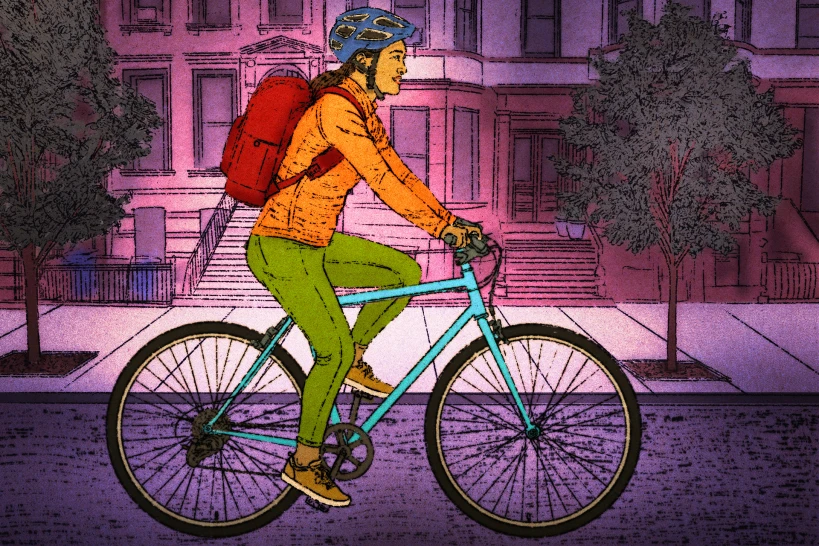
Commuting by bicycle can improve health, reduce transportation costs, and support sustainability. Experts share tips for getting started, staying safe on the road, and arriving at work feeling comfortable and professional.
More Workers Turn to Cycling as a Daily Commute Option
Biking to work has become an increasingly popular choice for people looking for healthier, more affordable, and environmentally friendly ways to commute. As transportation costs rise and cities invest more in cycling infrastructure, more workers are considering bicycles as a practical alternative to driving or public transportation. For many commuters, cycling offers benefits beyond simply getting from one place to another. It provides regular physical activity, reduces dependence on fuel, and can create a more enjoyable start and end to the workday. However, transitioning from occasional bike rides to a daily commute requires preparation and planning. New cyclists often have questions about choosing the right bicycle, planning routes, managing weather conditions, and arriving at work comfortably. Experts say the key to successful bike commuting is starting gradually and building habits over time. A short trial commute can help riders understand their route, identify challenges, and determine what equipment they need. Safety, comfort, and convenience are essential factors for making cycling a sustainable long-term routine. With the right preparation, biking to work can become a reliable part of daily life while offering financial, physical, and mental benefits.
Choose the Right Bike and Prepare for Your Commute
Selecting the right bicycle is one of the most important steps when beginning a bike commute. The best choice depends on factors such as travel distance, road conditions, personal comfort, and storage options. Some commuters prefer traditional road bikes because they are lightweight and efficient, while others choose hybrid or electric bikes for added comfort and assistance on longer routes. Before starting regular rides, cyclists should ensure their bike is properly maintained, including checking tire pressure, brakes, gears, and overall condition. A reliable bicycle reduces the risk of unexpected problems during a commute. Planning the route is equally important because the fastest route by car may not always be the safest route by bike. Many experienced cyclists recommend choosing streets with bike lanes, lower traffic levels, and smoother surfaces whenever possible. New riders may also benefit from practicing their route during less busy hours before commuting during peak traffic times. Preparing clothing, bags, and essential tools in advance can make the daily routine easier. Small adjustments, such as keeping a repair kit, water bottle, and weather-appropriate gear available, can help create a more comfortable commuting experience.
Safety Comes First for Everyday Bike Commuters
Safety is one of the most important considerations for anyone starting a bike commute. Cyclists share roads with cars, buses, pedestrians, and other riders, making awareness and preparation essential. Wearing a properly fitted helmet is one of the simplest ways to improve safety. Visibility is also critical, especially during early morning or evening commutes. Reflective clothing, lights, and other visibility tools can help drivers notice cyclists in different weather and lighting conditions. Riders should follow traffic rules, use hand signals when turning, and remain aware of vehicles around them. Defensive cycling techniques, such as maintaining a safe distance from parked cars and watching for opening doors, can reduce common risks. Weather conditions also require attention because rain, strong winds, or slippery roads can affect handling and braking. Cyclists should adjust speed and riding techniques based on conditions. Regular bike maintenance is another important safety step because properly functioning brakes, tires, and equipment reduce the chance of accidents. Building confidence through practice allows new riders to become more comfortable navigating different environments. A safe commuting routine helps ensure that cycling remains an enjoyable and sustainable transportation choice.
How to Arrive at Work Looking Fresh and Professional
One common concern among new bike commuters is arriving at work sweaty, tired, or uncomfortable. However, with proper planning, cyclists can arrive feeling refreshed and ready for the day. The intensity of the ride, distance traveled, weather conditions, and clothing choices all influence how comfortable someone feels after cycling. Riders can manage this by maintaining a steady pace rather than treating the commute like a workout. Carrying a change of clothes, using breathable fabrics, and storing work attire properly can help maintain a professional appearance. Some workplaces provide showers, lockers, or changing areas, but commuters can also use simple strategies when those facilities are unavailable. Packing essentials such as deodorant, a small towel, grooming products, and spare clothing can make a significant difference. Choosing practical work outfits that resist wrinkles and planning the commute time carefully can also reduce stress. Many experienced cyclists recommend arriving a few minutes early to allow time to cool down and prepare before starting work. With the right routine, biking to work does not have to interfere with maintaining a professional appearance.
Weather Planning Makes Cycling More Reliable
Weather is one of the biggest factors influencing whether people continue biking to work regularly. Successful bike commuters learn how to prepare for different conditions rather than allowing weather changes to completely disrupt their routine. During warmer months, breathable clothing, hydration, and choosing routes with shade can make rides more comfortable. In colder conditions, layering clothing allows cyclists to adjust as their body temperature changes during the ride. Rain requires additional preparation, including waterproof clothing, protective bags, and extra caution on wet roads. Many experienced riders recommend checking weather forecasts and preparing equipment in advance rather than making decisions at the last minute. Some commuters also create backup plans for extreme weather, such as using public transportation on particularly difficult days. Electric bikes have also become popular because they reduce physical effort and make longer commutes more manageable in challenging conditions. Adapting to different weather situations helps cyclists maintain consistency and prevents small obstacles from ending a commuting habit. Over time, many riders become more comfortable cycling in conditions they initially considered challenging.
Cycling to Work Offers Long-Term Personal and Financial Benefits
Biking to work can provide significant long-term benefits for physical health, financial savings, and overall quality of life. Regular cycling can improve cardiovascular fitness, increase daily activity levels, and support mental well-being by reducing stress associated with traffic and commuting delays. Financially, replacing some car trips with bicycle rides can reduce expenses related to fuel, parking, maintenance, and transportation costs. For many workers, these savings can become meaningful over time. Cycling also contributes to environmental goals by reducing emissions and decreasing dependence on motor vehicles. Beyond individual benefits, increased cycling can support healthier and more sustainable urban communities. While starting a bike commute may require some initial investment in equipment and planning, many riders find that the benefits outweigh the challenges. The most successful commuters create routines that fit their lifestyle, choosing realistic distances and gradually increasing their cycling habits. Biking to work is not only a transportation choice but also a lifestyle change that can improve health, independence, and daily experiences. With preparation, safety awareness, and the right approach, more people can make cycling a practical part of their everyday routine.