One of the world's oldest family-run bell foundries in Austria is combining nearly five centuries of traditional craftsmanship with modern digital technology to preserve the centuries-old art of bell casting for future generations. ([reuters.com](https://www.reuters.com/lifestyle/austrias-16th-century-bell-foundry-adds-modern-technology-keep-casting-process-alive-2026-07-29/?utm_source=chatgpt.com))
Five Centuries of Bell Casting Meet the Digital Age
Nestled in the Austrian city of Innsbruck, the Grassmayr Bell Foundry has been producing church bells continuously since 1599, making it one of the oldest family-owned bell foundries in the world. Now managed by the 14th generation of the Grassmayr family, the historic workshop is embracing modern technology while preserving the traditional craftsmanship that has defined its work for more than four centuries. According to Reuters, digital engineering tools, precision measuring equipment and computer-assisted modelling are now being integrated into a manufacturing process that has changed remarkably little since the Renaissance. ([reuters.com](https://www.reuters.com/lifestyle/austrias-16th-century-bell-foundry-adds-modern-technology-keep-casting-process-alive-2026-07-29/?utm_source=chatgpt.com)) Despite these technological additions, many of the foundry's most important techniques remain entirely manual. Skilled craftsmen continue shaping clay moulds by hand, preparing bronze alloys using traditional formulas, and carefully overseeing each stage of the casting process. The goal is not to replace centuries of expertise but to strengthen it. Modern technology enables the foundry to analyse acoustic performance, improve precision and document historic knowledge while ensuring that every bell retains the distinctive sound and craftsmanship for which the Grassmayr family has become internationally recognised.
Traditional Craftsmanship Remains at the Heart of Production
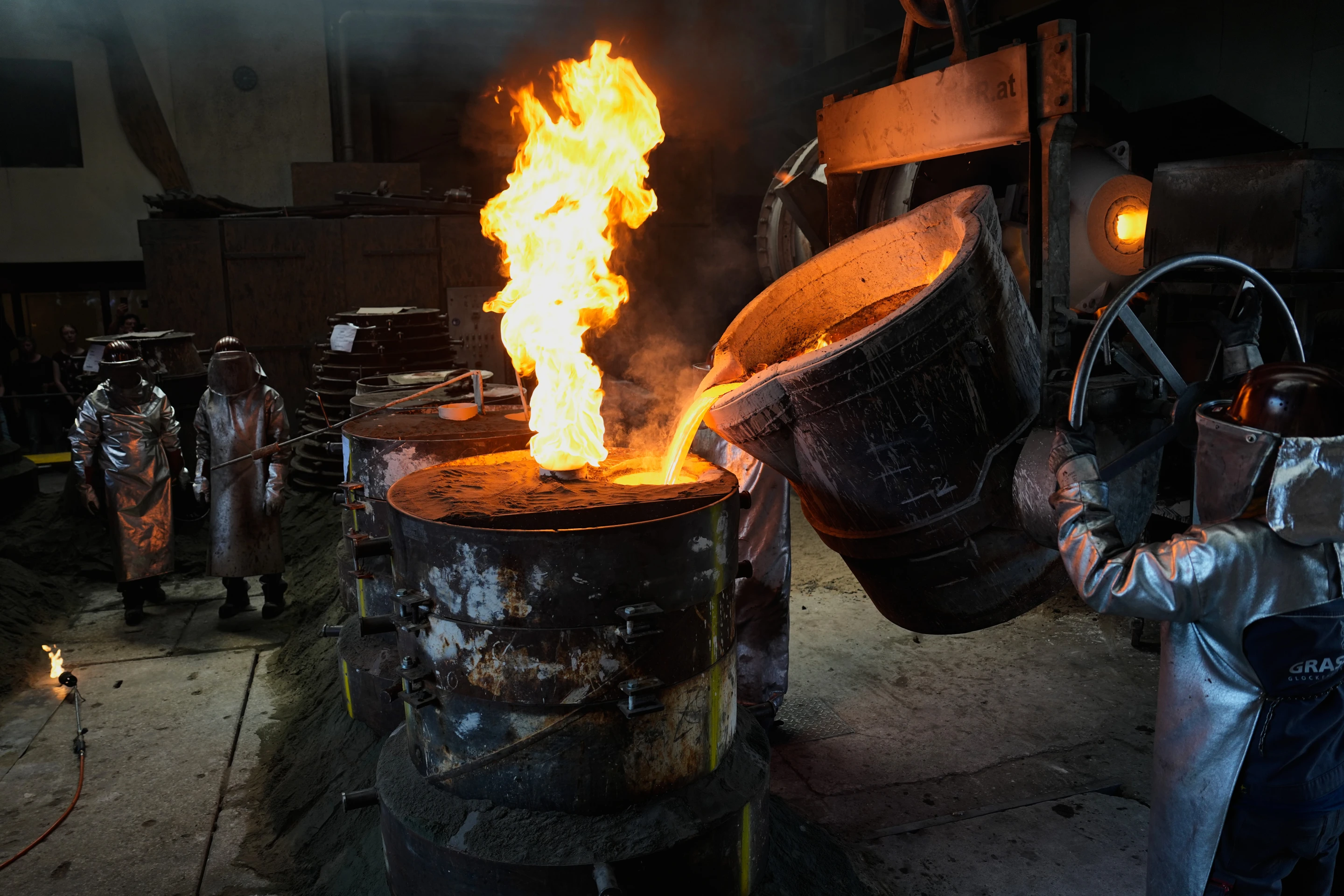
Each bell produced at the foundry continues to follow a painstaking manufacturing process developed over generations. Artisans begin by constructing detailed moulds using specialised mixtures of clay, sand and natural fibres before preparing molten bronze composed primarily of copper and tin. Once the metal reaches the required temperature, it is carefully poured into the moulds and allowed to cool over several days. After casting, every bell undergoes extensive finishing work, including cleaning, engraving, polishing and precise tuning. Craftsmen remove small amounts of metal from specific internal surfaces to achieve the exact musical tone required by churches, cathedrals or public institutions placing the commission. Reuters reports that this combination of manual skill and scientific precision remains essential because even slight variations in thickness or composition can significantly affect a bell's sound quality. Although computers assist with design calculations, experienced artisans continue making many final decisions based on knowledge passed down through generations. The foundry has produced bells for religious buildings, concert venues and public monuments across more than 100 countries, earning an international reputation for exceptional acoustic quality and craftsmanship.
Modern Technology Improves Precision Without Replacing Tradition
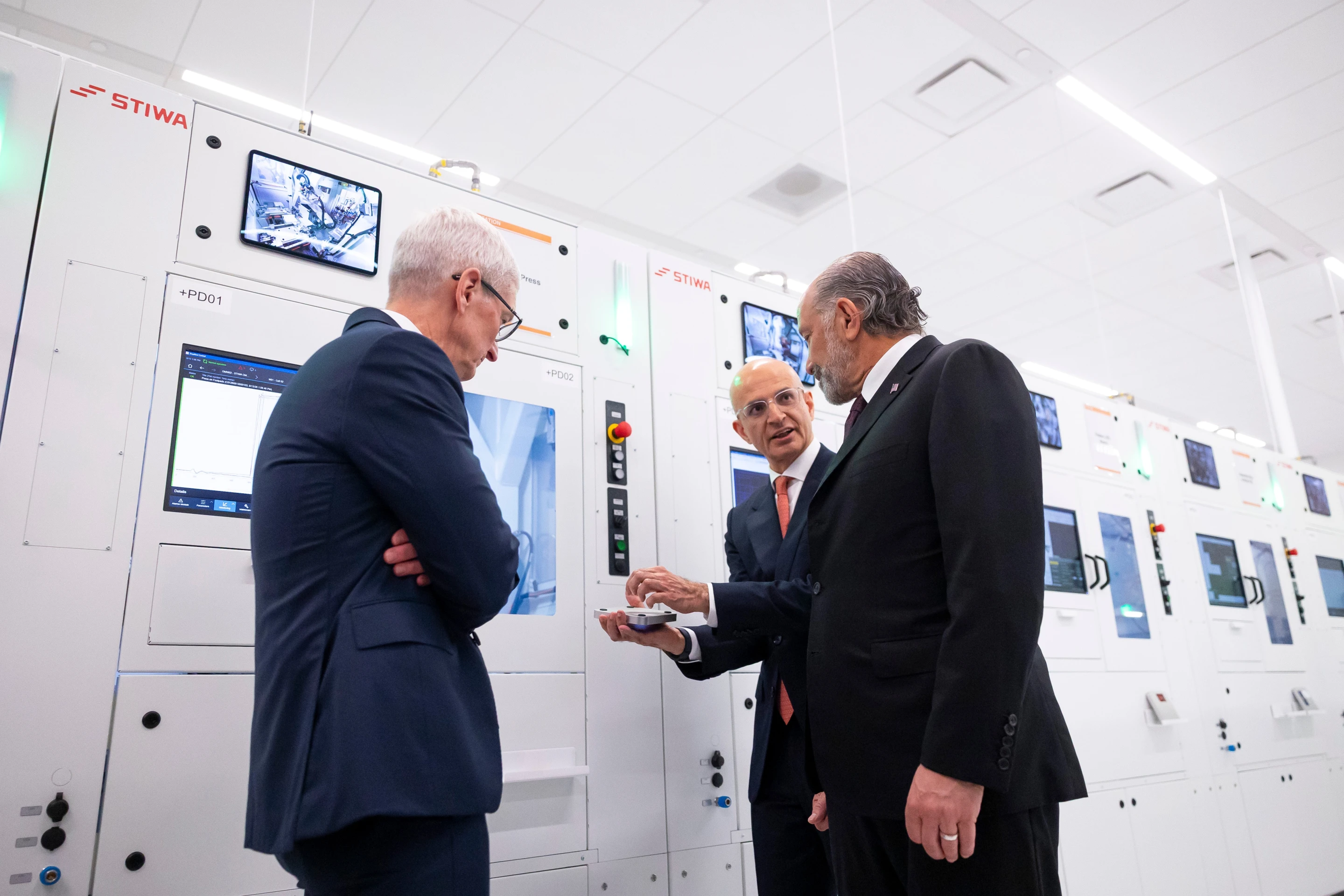
To help preserve its historic craft, the Grassmayr foundry has introduced digital modelling, acoustic simulation software and advanced measurement systems capable of analysing a bell's vibration patterns before and after casting. These technologies allow engineers and craftsmen to predict tonal characteristics more accurately while reducing material waste and improving manufacturing consistency. ([reuters.com](https://www.reuters.com/lifestyle/austrias-16th-century-bell-foundry-adds-modern-technology-keep-casting-process-alive-2026-07-29/?utm_source=chatgpt.com)) Laser scanning and computer-assisted design tools are also being used to document historic bells requiring restoration. By creating highly accurate digital models, conservation specialists can reproduce damaged decorative details or analyse structural changes that may have occurred over centuries of use. Family members emphasise that technology serves as a supporting tool rather than a replacement for traditional craftsmanship. The foundry continues relying upon experienced artisans whose practical knowledge cannot easily be replicated by machines or automated manufacturing systems. This balance between innovation and heritage has allowed the business to remain competitive while preserving techniques recognised as an important part of Europe's cultural history.
Passing Ancient Skills to Future Generations
One of the greatest challenges facing historic craft industries is ensuring that specialised knowledge survives into the future. Bell casting requires years of apprenticeship, combining metallurgy, acoustics, sculpture and engineering within a single profession. As fewer young people pursue traditional manufacturing careers, preserving these rare skills has become increasingly important. The Grassmayr family continues training apprentices alongside experienced master craftsmen, allowing practical techniques to be passed directly from one generation to the next. Digital documentation has also become an important educational resource, helping preserve historical methods while making technical information more accessible for future artisans. Museums, cultural institutions and heritage organisations increasingly recognise traditional craftsmanship as an essential part of Europe's intangible cultural heritage. Historic workshops such as the Grassmayr foundry demonstrate that centuries-old manufacturing traditions can continue evolving without losing their original character. By combining education with technological innovation, the foundry hopes to ensure that bell casting remains a living craft rather than becoming solely a historical practice.
Innovation Helps Preserve a Living Cultural Legacy
The continued success of Austria's historic bell foundry illustrates how traditional craftsmanship and modern technology can complement rather than compete with one another. Reuters reports that while computers now assist with engineering calculations and acoustic analysis, the defining qualities of each bell still depend on the experience, judgement and artistry of the craftsmen who create it. ([reuters.com](https://www.reuters.com/lifestyle/austrias-16th-century-bell-foundry-adds-modern-technology-keep-casting-process-alive-2026-07-29/?utm_source=chatgpt.com)) As churches, municipalities and cultural institutions continue commissioning bells for restoration projects and new buildings around the world, demand remains strong for products that combine historical authenticity with modern engineering standards. The Grassmayr foundry's approach demonstrates that embracing innovation does not necessarily require abandoning tradition. Instead, digital technology has become another tool supporting a craft refined over more than 425 years. By preserving centuries-old techniques while carefully adopting scientific advances, the family continues producing bells whose distinctive sound connects communities across generations. For the Grassmayr family, maintaining this balance ensures that one of Europe's oldest continuously practiced crafts will continue ringing well into the future.