A Reuters investigation traced a network of aging Boeing aircraft operated by companies linked to a U.S. Army Special Forces veteran that repeatedly flew supply routes connected to Sudan's Rapid Support Forces during the country's devastating civil war.
Reuters Investigation Reveals Shadow Aviation Network
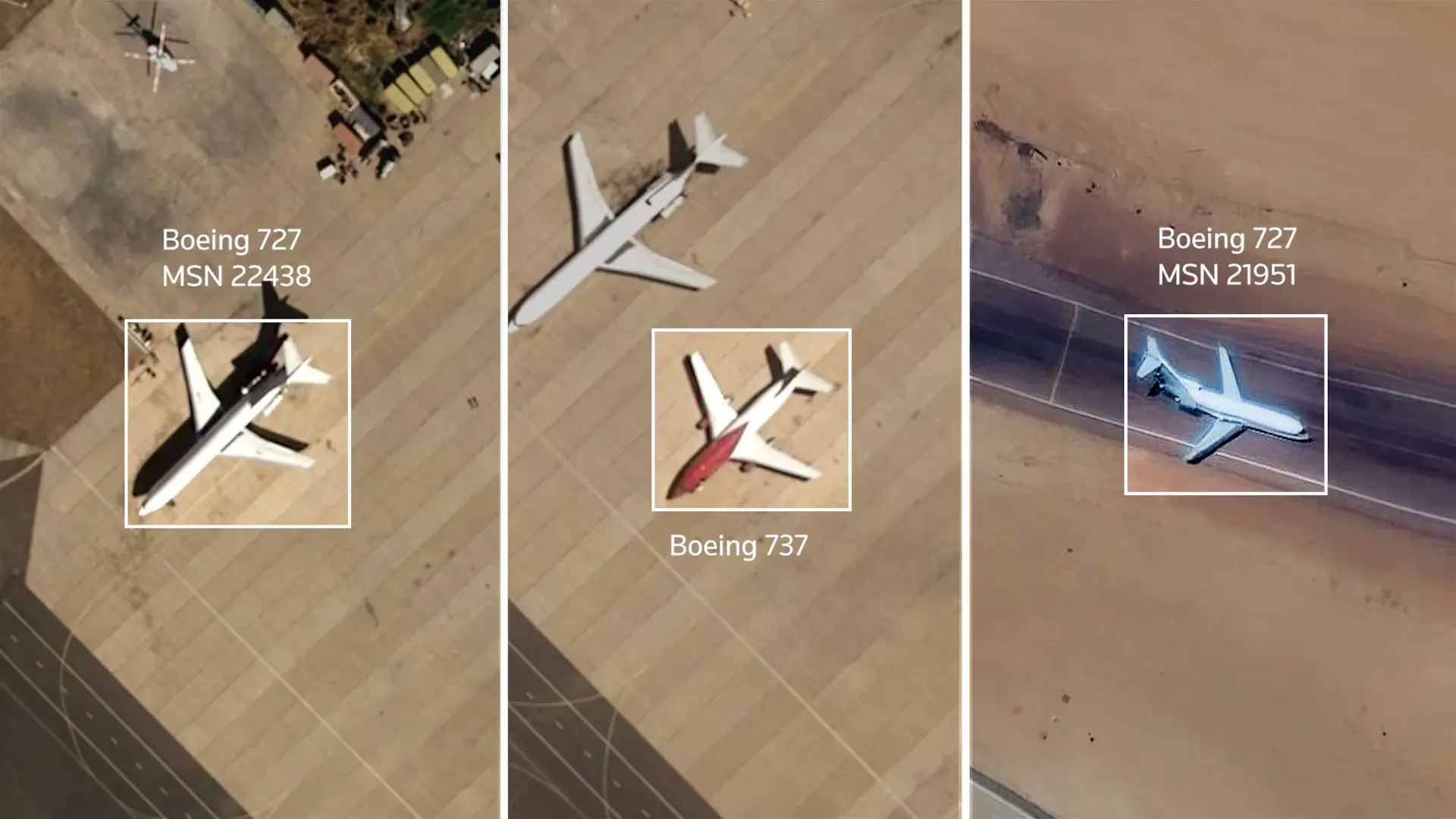
A Reuters investigation has uncovered a network of aging Boeing aircraft operated by companies connected to Steven Shaulis, a former U.S. Army Special Forces soldier and longtime government contractor, that repeatedly flew to logistics hubs used by Sudan's Rapid Support Forces (RSF). By analysing satellite imagery, aviation records, corporate filings, mobile-device data and interviews with more than 40 diplomats, intelligence officials and regional experts, Reuters reconstructed flight patterns linking Chad, Libya, Somalia and Sudan during one of Africa's deadliest conflicts. The aircraft included several Boeing 727s and a Boeing 737 that travelled between regional staging areas and airports under RSF control. Many of the flights either disappeared from conventional aircraft tracking systems or operated in ways that made them difficult to monitor, prompting questions about what cargo they were transporting and who ultimately financed the operations. Reuters found that companies controlled by Shaulis had earned at least hundreds of millions of dollars through previous U.S. government and United Nations contracts involving military infrastructure, humanitarian logistics and aviation support. However, the investigation reported no evidence that Shaulis or his companies had been sanctioned or formally accused of violating U.S. law. The findings nevertheless raise significant questions about how private aviation companies can become part of complex international supply chains operating in conflict zones where multiple governments, armed groups and commercial interests intersect.
Flights Linked Regional Supply Hubs to RSF Territory
Investigators traced repeated flights from N'Djamena in Chad to Kufrah in southeastern Libya and Nyala in Sudan's Darfur region, one of the Rapid Support Forces' most important strongholds. Satellite imagery and aviation records showed aircraft moving between these locations over many months while avoiding routine commercial flight patterns. One Boeing 737 linked to Shaulis' network was destroyed at Nyala Airport during fighting in 2025. Reuters reported that employees of one of Shaulis' companies were among those aboard the aircraft when it was struck. Additional Boeing 727 cargo aircraft were later identified operating similar routes after arriving from Brazil and the United States. According to aviation experts interviewed during the investigation, the aircraft frequently operated from military sections of airports or in areas with limited civilian oversight. Such operating environments make it difficult to determine exactly what cargo was being transported during individual flights. While Reuters documented the movements of the aircraft, it reported that it could not independently verify every shipment carried aboard the planes or identify all organisations involved in coordinating the logistics network.
UN Investigation Strengthens Concerns Over Arms Shipments
On July 29, a draft report prepared by a United Nations Panel of Experts added further scrutiny to the aircraft identified in Reuters' investigation. According to the UN findings, Boeing aircraft linked to the same network were allegedly used to transport weapons, military drones and foreign mercenaries supporting the Rapid Support Forces despite international efforts to restrict arms flows into Sudan. The UN report also described the involvement of Colombian mercenaries recruited through a United Arab Emirates-based security company that allegedly fought alongside RSF forces during major military operations, including battles around al-Fashir. The Rapid Support Forces have been accused by the United Nations, the United States and numerous human rights organisations of committing widespread atrocities, including mass killings, sexual violence and ethnically targeted attacks in Darfur. The group has denied many of the allegations. Although the UN report expands upon Reuters' earlier findings, investigators stated that inquiries into possible violations of international arms embargoes remain ongoing and that responsibility for specific shipments continues to be examined.
Private Contractors Play Expanding Roles in Modern Conflicts
The investigation highlights the increasingly significant role played by private contractors, logistics companies and commercial aviation operators in modern armed conflicts. Rather than relying exclusively on state-owned military transport, armed groups often depend upon commercial supply chains that span multiple countries and involve civilian aircraft registered through private companies. Experts say these networks can be difficult to regulate because aircraft frequently change ownership, registration and operating companies while moving across jurisdictions with varying levels of oversight. Complex corporate structures may further obscure the identities of individuals responsible for directing operations. Shaulis' companies previously carried out infrastructure projects, airfield construction and logistical support under contracts funded by the U.S. government and the United Nations. Reuters reported finding no evidence that those earlier contracts were directly connected to the Sudan operations under investigation. The case illustrates the challenges faced by international regulators attempting to monitor aviation activities that cross multiple borders during active conflicts where conventional oversight mechanisms are limited.
Sudan's Civil War Continues to Draw International Attention
Sudan's civil war, which began in April 2023 between the Sudanese Armed Forces and the Rapid Support Forces, has created one of the world's largest humanitarian crises. Millions of people have been displaced while widespread famine, disease and violence continue affecting civilians throughout large parts of the country. International organisations continue investigating allegations involving arms trafficking, foreign fighters and external support provided to both sides of the conflict. The Reuters investigation and subsequent UN findings provide new insight into the complex international logistics networks that have helped sustain military operations despite diplomatic efforts to reduce the flow of weapons into Sudan. Officials involved in the investigations stress that identifying aircraft movements does not automatically establish criminal liability for every individual or company associated with those flights. Many aspects of the logistics network remain under active investigation by international authorities. As Sudan's conflict enters another year, investigators continue examining how private aviation companies, international supply routes and commercial logistics have become deeply intertwined with one of the world's most devastating ongoing wars.