An Associated Press investigation found that more than 50 spouses and parents of active-duty U.S. service members have been detained under President Donald Trump's expanded immigration enforcement policies, raising concerns among military advocates about family stability and troop readiness.
Military Families Caught in Expanded Immigration Enforcement Efforts
More than 50 immediate family members of active-duty U.S. military personnel have been detained as part of the Trump administration's expanded immigration enforcement campaign, according to an Associated Press investigation. The cases represent a major shift from previous approaches that often provided additional protections for military families facing immigration challenges. The detained individuals include spouses and parents of service members who were seeking legal status through immigration programs designed specifically for military families. Several cases involved people who had applied for military parole-in-place, a process that allows certain undocumented relatives of U.S. troops to remain in the country while pursuing lawful immigration status. Military advocates and legal experts say the arrests have created uncertainty for service members who rely on family members for childcare, financial support and emotional stability. The detentions have raised broader questions about how aggressive immigration enforcement policies affect military readiness and recruitment efforts.
Detentions Mark Change From Longstanding Military Family Protections
For years, immigration authorities generally avoided aggressive enforcement actions against immediate relatives of U.S. service members, recognizing the unique challenges faced by military families. The recent detentions represent a significant departure from that approach, according to immigration experts and former officials. Under previous policies, military families often received special consideration because service members could face deployment disruptions or personal hardships if their spouses or parents were removed from the country. Advocates argue that maintaining family stability is directly connected to military readiness. The Trump administration has defended its broader immigration enforcement strategy, stating that immigration laws apply regardless of an individual's relationship to military personnel. Officials have argued that military service does not automatically exempt family members from immigration enforcement actions.
Some Families Detained During Immigration Appointments
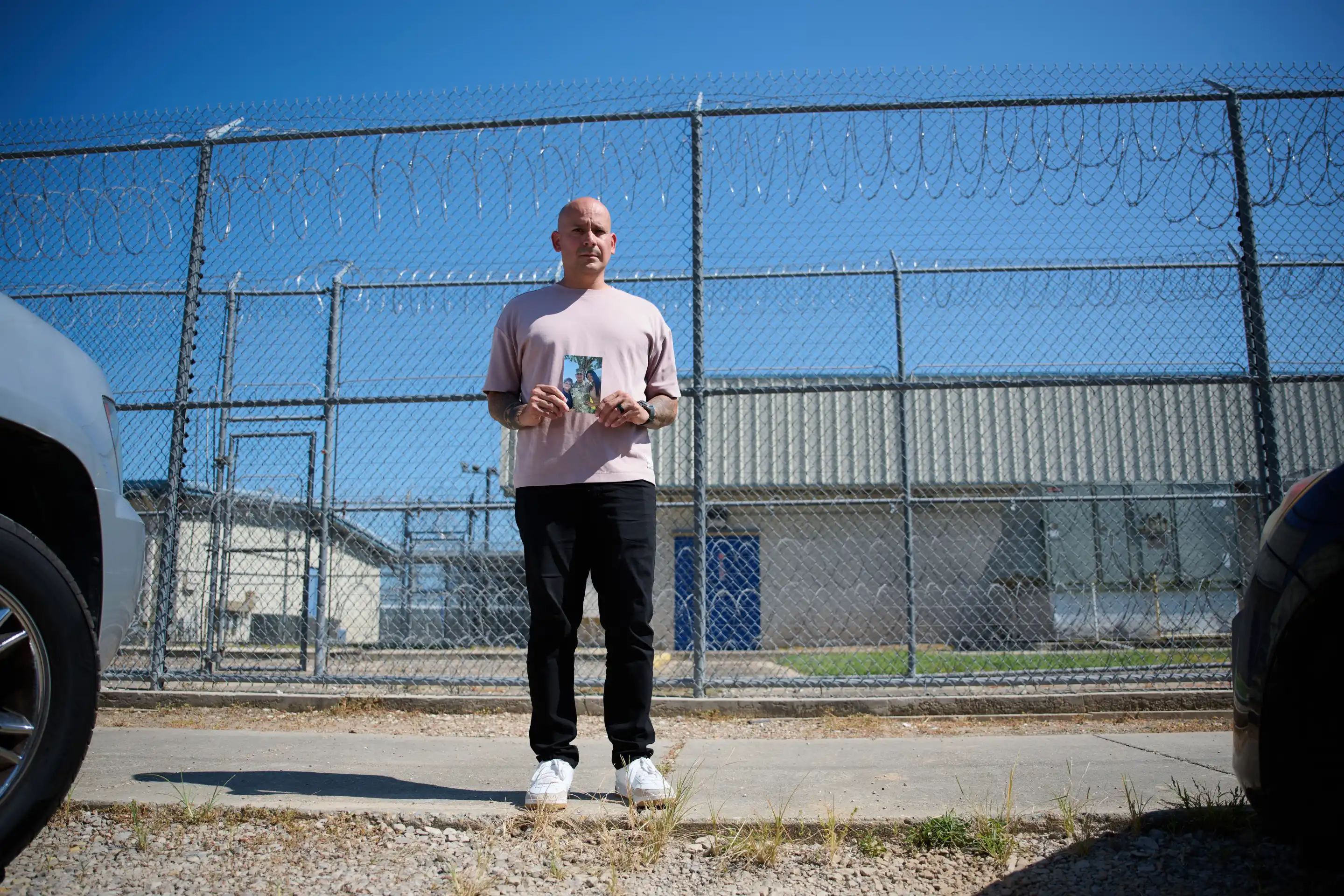
The AP investigation found that some military relatives were detained while attending routine immigration appointments or while attempting to resolve their legal status. In several cases, individuals had pending applications or were seeking immigration benefits available to qualifying military families. Attorneys representing affected families say the arrests have created fear among military households, with some service members concerned about whether seeking immigration assistance could expose their relatives to enforcement actions. Legal experts note that immigration cases often involve complex histories, including previous removal orders, visa issues or criminal records. They emphasize that each case must be evaluated individually under federal immigration law. The Department of Homeland Security has stated that enforcement decisions are based on immigration violations and legal factors rather than military connections alone.
Impact on Troop Morale and Military Readiness
Military advocates warn that detaining spouses and parents of service members could have consequences beyond individual families. They argue that family disruptions may affect deployments, training schedules and the overall well-being of troops. Some service members have reportedly taken leave or changed plans to address emergencies involving detained relatives. Advocates say these situations create additional pressure on military personnel already managing demanding responsibilities. The issue has also raised questions about recruitment messaging. Immigration benefits for certain military families have historically been promoted as an incentive for individuals who serve in the armed forces, creating concerns among advocates about whether current enforcement policies align with those commitments. Military officials have faced pressure to clarify how immigration enforcement involving family members should interact with national defense priorities.
Calls Grow for Review of Immigration Policies Affecting Troops
The detentions have prompted lawmakers, military organizations and immigration advocates to call for a review of policies affecting relatives of active-duty service members. Supporters of additional protections argue that military families deserve special consideration because of the sacrifices made by service members. Critics of the enforcement actions say removing support networks from military households could undermine morale and create unnecessary hardship for those serving the country. They have called for clearer guidelines to prevent confusion among troops and immigration officials. At the same time, government officials maintain that immigration enforcement must be applied consistently and that legal status remains the determining factor in immigration decisions. The debate highlights the broader challenge of balancing strict immigration enforcement with policies designed to support military personnel and their families.