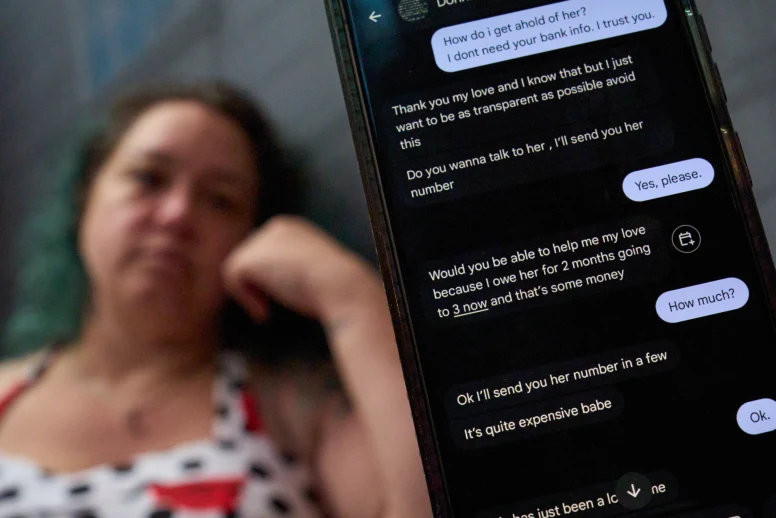
An investigation into romance scams reveals how online fraudsters create emotional bonds with victims, using fake identities, psychological manipulation and digital tools to exploit trust even when victims suspect the relationship may not be real.
Romance Scammers Build Emotional Connections Before Asking for Money
Romance scams have evolved into sophisticated forms of emotional manipulation, with criminals creating fake identities and carefully constructed relationships to gain victims' trust. In many cases, the emotional connection becomes so powerful that victims continue believing in the relationship even after recognizing warning signs. Investigators studying online fraud say scammers rarely begin by requesting money. Instead, they spend days or weeks building familiarity, sharing personal stories and creating the impression of a genuine romantic connection. The emotional attachment created through these conversations can make it difficult for victims to step away, even when inconsistencies begin to appear. Experts say scammers exploit fundamental human needs for companionship, trust and emotional support. Modern romance scams often combine social engineering techniques with technology, allowing criminals to maintain convincing conversations across dating apps, social media platforms and messaging services.
Fake Identities Are Designed to Feel Real
Many romance scammers create detailed fictional identities, including fake careers, personal histories and photographs designed to appear authentic. Some use stolen images from real people, while others rely on artificial intelligence tools to create convincing profiles. Fraud investigators say scammers often research their targets before initiating contact, using publicly available information from social media accounts to personalize conversations and create stronger emotional connections. The fake personas are frequently designed to match what victims are looking for, whether it is companionship, shared interests or the promise of a future together. Experts warn that the sophistication of these scams has increased because criminals can now use digital tools to communicate more naturally and maintain multiple fraudulent relationships simultaneously.
Why Victims Continue Believing Even After Discovering Doubts
One of the most complex aspects of romance scams is that victims may recognize something is wrong but still feel emotionally connected to the person they believe they know. Psychologists explain that emotional investment can make people reluctant to accept that a relationship is fake. The time spent communicating, sharing personal experiences and imagining a future together can create a strong psychological attachment. Scammers often reinforce this attachment by apologizing for inconsistencies, creating emergencies or promising that the relationship will become real once certain obstacles are overcome. Experts say this emotional manipulation is intentional. Criminals understand that trust can become a powerful barrier preventing victims from accepting evidence that contradicts their hopes.
Financial Requests Often Reveal the Real Motive
After establishing emotional trust, scammers typically introduce financial requests. These may involve medical emergencies, travel expenses, investment opportunities or temporary financial problems. Authorities say some criminals combine romance scams with investment fraud, convincing victims to move money into fake cryptocurrency platforms or financial accounts controlled by the scammers. The requests often begin with small amounts before escalating into larger transfers. Fraud networks may encourage victims to borrow money, sell assets or hide transactions from family members. Law enforcement agencies warn that legitimate romantic partners do not pressure individuals to send money or make secret financial decisions, especially when they have never met in person.
Technology Has Made Romance Fraud Easier to Scale
Digital platforms have allowed romance scams to expand globally. Criminal groups can operate from different countries while targeting victims thousands of miles away. Artificial intelligence, automated messaging tools and online payment systems have made it easier for scammers to create convincing interactions and manage multiple victims at once. Cybersecurity specialists say technology companies are improving detection systems, but scammers continue adapting their methods to avoid being identified. The challenge is not only technical but also emotional. Even advanced detection systems cannot completely prevent fraud when victims are manipulated through trust and affection.
Key Lessons for Recognizing and Preventing Romance Scams
Experts say awareness remains one of the strongest protections against romance fraud. Warning signs include someone moving conversations off dating platforms quickly, avoiding video calls, making repeated excuses for not meeting in person or requesting financial assistance. People should be cautious when online relationships become intense very quickly or when someone encourages secrecy around conversations and money transfers. Victims are encouraged to seek support from trusted friends, family members or authorities rather than dealing with the situation alone. Reporting scams can help investigators identify patterns and prevent others from being targeted. Romance scams demonstrate that fraud is not only about stolen money—it is also about exploiting emotions, trust and human connections. Understanding how these schemes work is essential in protecting people from increasingly sophisticated online deception.