Reuters journalists were granted rare access to some of Iran's most treasured cultural landmarks, documenting extensive damage to historic palaces, mosques and UNESCO World Heritage sites following the U.S.-Israeli military campaign.
Historic Treasures Bear the Scars of War
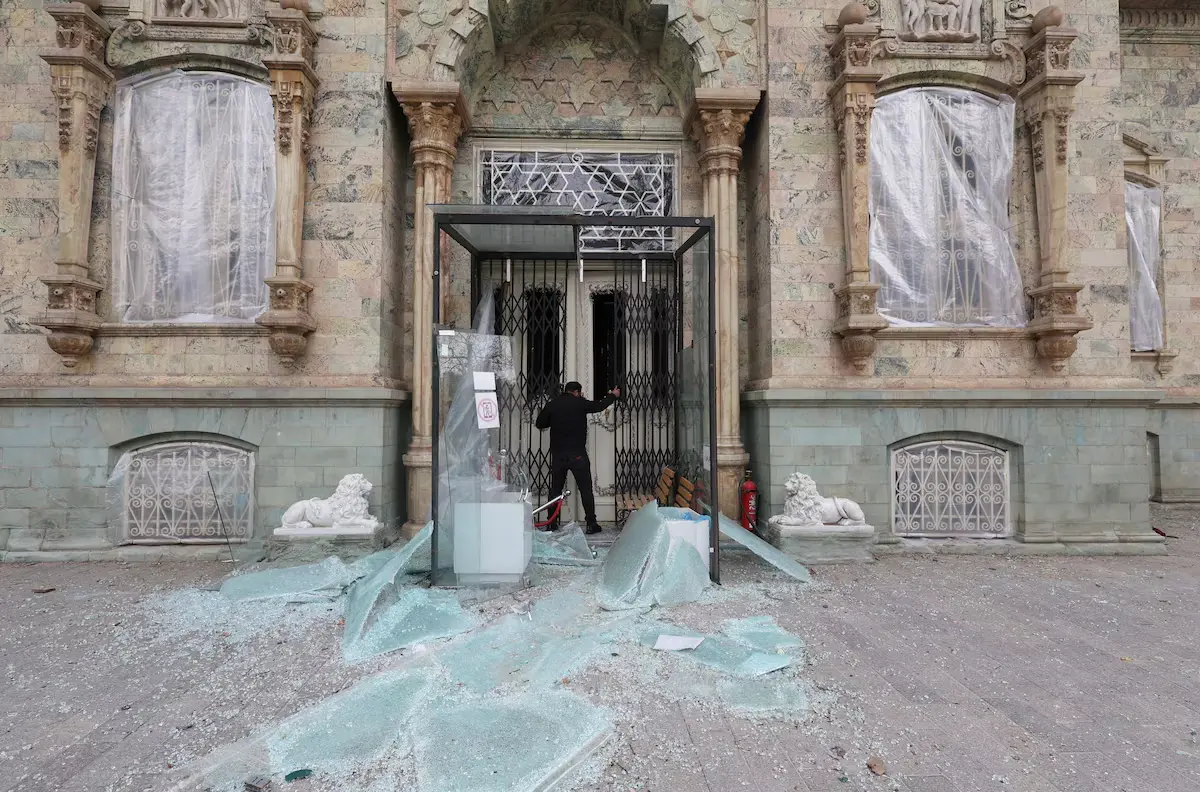
Centuries-old palaces, ornate mosques and UNESCO World Heritage monuments across Iran now bear visible scars from months of conflict, offering a stark reminder that modern warfare often damages cultural heritage alongside military infrastructure. Reuters journalists received rare access to several historic sites following the ceasefire, documenting shattered stained-glass windows, cracked tile mosaics, damaged domes and collapsed sections of buildings that have survived wars, dynasties and natural disasters over hundreds of years. Among the locations visited were Tehran's Golestan Palace and several historic landmarks in Isfahan, including the UNESCO-listed Naqsh-e Jahan Square and Chehel Sotoun Palace. Reporters observed broken decorative mirrors, damaged wooden ceilings, fractured stonework and extensive blast damage to surrounding historic districts. Iran's Ministry of Cultural Heritage has reported that well over one hundred museums, historic monuments and archaeological sites sustained varying degrees of damage during the conflict. Although many of the structures remained standing, preservation experts warn that even nearby explosions can weaken foundations, loosen centuries-old masonry and accelerate long-term deterioration. The destruction extends beyond physical structures. Historians note that these monuments embody Iran's artistic, religious and political history, making their preservation significant not only for the country but also for global cultural heritage.
UNESCO Sites Among the Hardest Hit
Several internationally protected heritage sites suffered damage during the conflict despite their cultural significance. In Isfahan, Reuters documented damage around Naqsh-e Jahan Square, one of the world's largest historic public squares and a UNESCO World Heritage Site dating to the Safavid Empire. Nearby landmarks including Chehel Sotoun Palace, Ali Qapu Palace and historic religious buildings displayed evidence of blast damage ranging from shattered windows to cracked decorative tilework. In Tehran, Golestan Palace—another UNESCO World Heritage Site and one of Iran's best-known royal complexes—experienced structural damage caused by nearby strikes. Decorative mirror halls, historic chambers and architectural elements were affected by shockwaves and flying debris. UNESCO has repeatedly expressed concern about the growing threat to cultural heritage throughout the region, urging all parties to respect international conventions protecting historic monuments during armed conflict. The organisation previously shared the geographic coordinates of major heritage sites in an effort to minimise accidental damage during military operations. Conservation specialists caution that restoration will require years of careful engineering and archaeological assessment because many of the damaged features involve fragile handcrafted materials that cannot simply be replaced.
Conservation Experts Race to Assess the Damage
Following the ceasefire, teams of engineers, archaeologists, architects and conservation specialists began conducting detailed inspections of damaged monuments. Their work includes documenting structural cracks, mapping damaged decorative surfaces, stabilising weakened walls and determining whether buildings remain safe for future restoration. Iranian cultural authorities have deployed hundreds of specialists to inspect affected museums and heritage sites across multiple provinces. The process involves combining ground surveys with drone imagery and structural analysis to identify damage that may not be immediately visible from the surface. Experts explain that historic buildings often suffer hidden structural stress after nearby explosions. Vibrations generated by air strikes can weaken supporting walls, separate layers of historic plaster, damage intricate tile mosaics and compromise wooden roof systems without causing immediate collapse. The challenge is particularly significant because many of Iran's historic monuments incorporate traditional construction techniques using handmade bricks, carved stone and centuries-old decorative ceramics. Restoration therefore requires specialised craftsmanship capable of preserving historical authenticity while reinforcing structural stability. Preservation teams emphasise that rapid emergency stabilisation is essential to prevent weather exposure and aftershocks from causing additional deterioration before permanent restoration work begins.
Cultural Heritage Becomes Another Casualty of Conflict
The damage documented across Iran highlights the broader risks armed conflict poses to humanity's shared cultural heritage. International humanitarian law, including the 1954 Hague Convention for the Protection of Cultural Property in the Event of Armed Conflict, requires parties to avoid unnecessary damage to monuments, museums and historic sites whenever possible. Although military operations may target nearby strategic infrastructure rather than heritage sites themselves, blast waves, debris and secondary explosions can still inflict substantial damage on historic structures located in densely populated urban areas. Heritage organisations argue that protecting cultural landmarks carries importance beyond architecture alone. Historic monuments preserve artistic traditions, religious history, archaeological knowledge and national identity that cannot easily be reconstructed if lost. The conflict has renewed international discussions regarding how military planning, intelligence sharing and cultural protection measures can better safeguard historic sites during future conflicts. Specialists also stress the importance of detailed digital documentation that can support restoration should damage occur. Many preservation experts describe the losses as irreplaceable because original materials, craftsmanship and historical context cannot be perfectly recreated once destroyed.
Restoration Will Take Years After the Fighting
While emergency repairs have begun at several locations, conservation officials acknowledge that full restoration of Iran's damaged cultural landmarks will likely require many years of specialised work and significant financial investment. Some damaged decorative features may be repairable, while others have been permanently altered by the conflict. International heritage experts believe reconstruction efforts will depend upon continued structural assessments, skilled conservation work and cooperation between Iranian authorities and global preservation organisations. Each damaged site presents unique challenges depending upon its age, construction methods and the severity of the destruction. Reuters' reporting provides one of the first comprehensive visual accounts of the impact the conflict has had on Iran's historic architecture, illustrating how warfare affects not only military targets and civilian communities but also monuments representing centuries of cultural achievement. As restoration efforts continue, historians hope the damaged sites can eventually be preserved for future generations while serving as reminders of the lasting consequences armed conflicts can have on humanity's shared cultural legacy.