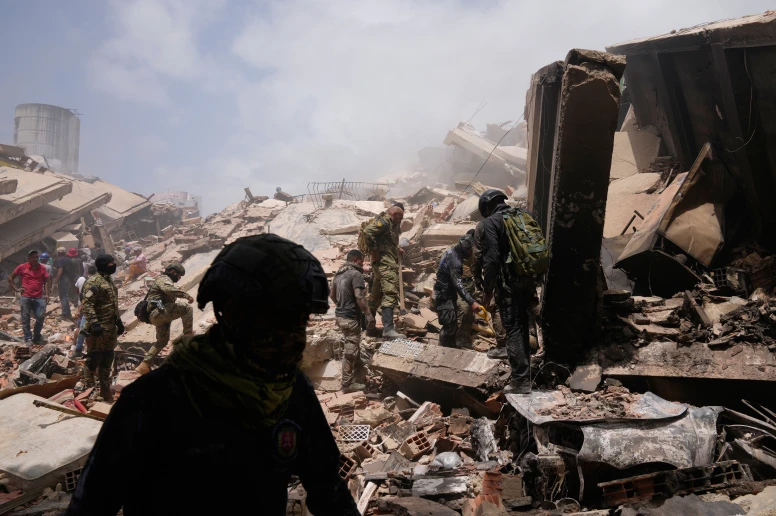
An investigation examines how aging buildings, weak construction practices and limited enforcement of safety standards have increased Venezuela’s vulnerability to earthquake damage, putting communities at greater risk during seismic events.
Aging Infrastructure Raises Concerns After Earthquake Activity
Venezuela’s vulnerability to earthquakes has been intensified by decades-old buildings, deteriorating infrastructure and concerns over construction quality, according to engineers and disaster experts examining the country’s seismic risks. While Venezuela is not among the world’s most earthquake-prone nations, several regions sit near active fault systems capable of producing damaging tremors. Experts warn that the danger is not determined only by the strength of an earthquake but also by the ability of buildings and infrastructure to withstand sudden movement. Many structures across Venezuela were built decades ago, before modern earthquake-resistant standards became widely applied. In some areas, aging materials, inadequate maintenance and limited inspections have increased concerns about structural safety. Engineers say improving building resilience requires both stronger construction practices and consistent enforcement of safety regulations.
Construction Standards Face Questions Over Enforcement
Experts say Venezuela has seismic construction guidelines designed to reduce earthquake risks, but the effectiveness of these standards depends on enforcement, inspections and the quality of materials used during construction. Builders and engineers have raised concerns that some projects may not have followed recommended safety requirements, particularly in periods when economic difficulties affected the construction sector. Substandard materials, unauthorized modifications and insufficient oversight can weaken buildings and increase the likelihood of severe damage during earthquakes. Structural specialists emphasize that even relatively moderate earthquakes can become deadly when buildings are poorly designed or improperly maintained.
Economic Crisis Has Complicated Infrastructure Maintenance
Venezuela’s prolonged economic challenges have affected many areas of public infrastructure, including housing, transportation systems and essential services. Limited resources have made regular maintenance and large-scale modernization efforts more difficult. Experts say older buildings require continuous inspection and repairs to remain safe, especially in regions exposed to natural hazards. Without proper maintenance, problems that may begin as minor structural weaknesses can become serious risks over time. The deterioration of infrastructure has created additional challenges for emergency planners preparing for possible disasters. Officials and engineers argue that strengthening existing buildings is often more practical than replacing entire communities, but such efforts require investment and long-term planning.
Urban Growth Increased Exposure to Seismic Risks
Rapid urban development has increased the number of people living in areas where earthquake risks exist. In major cities, dense neighborhoods with older apartment buildings and limited open space can create additional challenges during emergencies. Disaster experts say the impact of an earthquake depends not only on physical damage but also on population density, emergency response capacity and the availability of evacuation routes. Buildings constructed without adequate seismic considerations can create dangerous conditions for residents and emergency workers during a disaster. Urban planners say reducing earthquake risks requires a combination of stronger regulations, updated infrastructure policies and public awareness programs.
Experts Call for Stronger Disaster Preparedness Measures
Following earthquake concerns, experts have called for expanded disaster preparedness efforts, including structural evaluations, emergency planning and public education campaigns. Engineers say identifying vulnerable buildings before a major earthquake occurs is one of the most effective ways to reduce casualties. Assessments can help authorities prioritize repairs and determine which structures require immediate attention. Emergency officials also emphasize the importance of community preparedness, including evacuation planning and access to reliable information during disasters. Countries with similar seismic risks have reduced earthquake impacts through stronger building codes, improved enforcement and investments in resilient infrastructure.
A Long-Term Challenge for Venezuela’s Infrastructure
The earthquake risk facing Venezuela reflects a broader challenge involving aging infrastructure and the need for sustained investment. Experts warn that natural disasters often expose weaknesses that have developed over decades. Strengthening buildings, improving construction oversight and maintaining public infrastructure will require coordinated efforts between government agencies, engineers and communities. While earthquakes cannot be prevented, their impact can be reduced through preparation and resilient design. For Venezuela, experts say addressing structural vulnerabilities before a major seismic event occurs will be critical to protecting lives and reducing future disaster damage.