A global network of online scammers is using U.S.-based technology platforms, artificial intelligence tools and digital payment systems to build fake relationships and steal millions from victims through sophisticated romance and investment fraud schemes.
Scammers Use Digital Platforms to Build Fake Relationships Quickly
A growing network of international scammers is exploiting U.S.-based technology platforms to create fake romantic relationships designed to manipulate victims and extract money through carefully planned fraud schemes. Investigators have found that some criminal groups follow highly structured methods, using social media platforms, messaging applications and artificial intelligence tools to establish emotional connections with targets within days. In some cases, scammers are trained to create trust, simulate affection and persuade victims to transfer money through cryptocurrency investments, emergency requests or fraudulent financial opportunities. The phrase 'four days to make victims fall in love' reflects the speed at which modern fraud operations attempt to create emotional dependency. Rather than relying on traditional scams, criminal groups now combine psychological manipulation with advanced digital tools to make fake identities appear convincing. Authorities say these operations often involve teams located across multiple countries, with individuals assigned specific roles such as finding victims, managing conversations, creating fake profiles and handling financial transfers.
U.S. Technology Infrastructure Becomes a Tool for Global Fraud Networks
Many international scam operations rely on technology developed or hosted in the United States, including social media platforms, cloud services, artificial intelligence applications and online payment systems. While these technologies are designed for legitimate purposes, criminals have adapted them to conduct large-scale fraud campaigns. Scammers use stolen photographs, artificial intelligence-generated images, automated messaging systems and fake online identities to appear authentic. Some create detailed fictional backgrounds, including fake jobs, investment histories and personal stories, to convince victims that they are communicating with a real person. Cybersecurity experts say the accessibility of digital tools has lowered the barrier for criminals to operate internationally. A scammer no longer needs extensive technical knowledge to create convincing profiles, automate conversations or reach thousands of potential victims. Technology companies have invested heavily in detecting fraudulent activity, but investigators say criminal groups constantly adjust their methods to avoid detection and exploit weaknesses in online systems.
Romance Scams Often Transition Into Investment Fraud
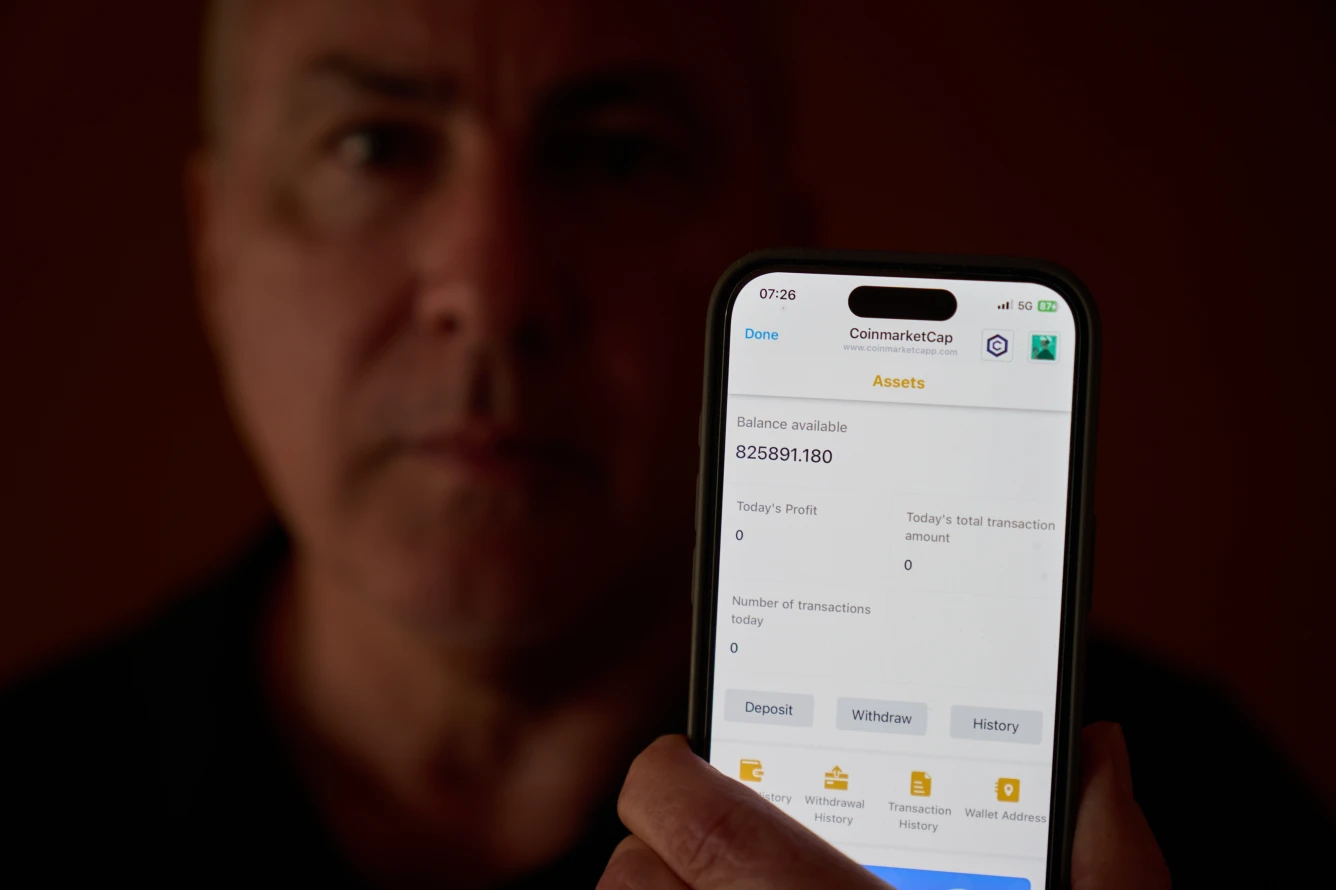
Many modern romance scams begin with emotional manipulation before shifting toward financial exploitation. After establishing trust, scammers frequently introduce victims to fake investment opportunities involving cryptocurrency, foreign exchanges or high-return financial platforms. Victims are often encouraged to make small initial payments that appear successful, creating confidence before scammers pressure them to invest larger amounts. Fake dashboards, fabricated account balances and manipulated screenshots are sometimes used to convince victims that their money is growing. Law enforcement agencies have warned that these schemes can cause devastating financial and emotional damage. Many victims lose significant savings while also experiencing psychological distress after discovering that the relationship they trusted was entirely fabricated. Investigators say organized groups increasingly treat romance fraud as a business operation, with scripts, training materials and performance targets used to maximize the number of successful scams.
Artificial Intelligence Makes Fake Identities More Convincing
The rise of artificial intelligence has added a new layer of sophistication to online fraud. Criminal groups are using AI-powered tools to generate realistic conversations, create fake images and produce personalized messages designed to match a victim's interests and emotions. Previously, scammers often relied on simple copied messages or poorly constructed fake profiles. Today, AI tools allow criminals to maintain longer conversations, respond quickly and create the appearance of genuine human interaction. Cybersecurity researchers warn that deepfake technology and synthetic identities could make future scams even more difficult to detect. Criminals may use AI-generated voices, videos and images to impersonate real people or create entirely fictional individuals. Experts say public awareness and stronger digital verification systems will become increasingly important as artificial intelligence tools become more accessible.
Authorities Target International Networks Behind Online Fraud
Law enforcement agencies around the world are investigating organized criminal groups responsible for large-scale online scams. These investigations often involve cooperation between cybersecurity teams, financial regulators and international authorities. Officials are focusing on identifying money flows, shutting down fraudulent websites and tracking cryptocurrency transactions linked to scam operations. However, the global nature of these networks makes enforcement challenging because criminals frequently operate across jurisdictions. U.S. agencies have increased efforts to work with technology companies and financial institutions to detect suspicious activity and protect consumers. Banks and payment providers have also expanded fraud monitoring systems designed to identify unusual transfers associated with scams. Despite these efforts, investigators say prevention remains critical because recovering stolen funds can be extremely difficult once money has been transferred overseas.
Experts Warn Digital Trust Is Becoming a Major Security Challenge
The expansion of online fraud highlights a broader challenge: determining what is real in an increasingly digital world. As communication becomes easier through technology, criminals are finding new ways to exploit trust and human relationships. Experts advise users to be cautious when online relationships quickly become emotional or when someone encourages secrecy, financial transfers or unusual investment opportunities. They emphasize that legitimate relationships and investments rarely require immediate financial decisions. The rise of AI-powered scams demonstrates how criminal organizations are adapting alongside technology. While digital platforms provide valuable opportunities for communication and commerce, they also create new risks when exploited by sophisticated fraud networks. As authorities continue investigating global scam operations, the fight against online fraud will increasingly depend on cooperation between governments, technology companies and individuals who recognize the warning signs before becoming victims.