An Associated Press investigation reveals accounts from former child soldiers describing violence, forced recruitment and battlefield experiences during Sudan’s war, while also examining reports of Colombian mercenaries operating in the conflict.
Former Child Soldiers Describe Life Inside Sudan’s Brutal Conflict
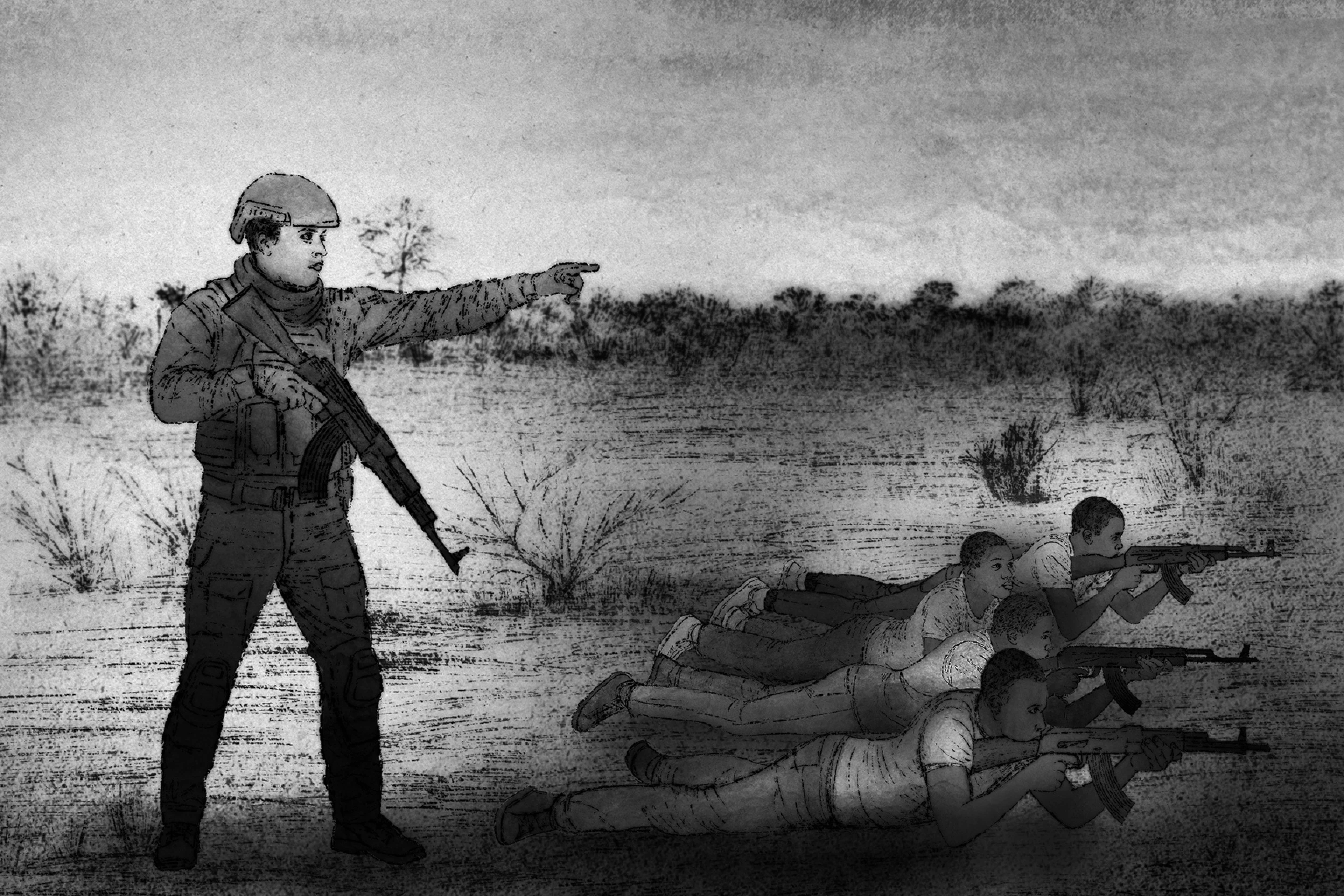
Children who were drawn into Sudan’s devastating war have described harrowing experiences of recruitment, battlefield violence and survival as fighting between rival armed groups continues to devastate communities across the country. Accounts gathered by the Associated Press reveal how young people were exposed to extreme conditions, including armed training, frontline combat and the destruction of civilian areas. Many former child soldiers said they were recruited through pressure, promises of money or protection, while others were forced into armed groups because of insecurity and displacement. Sudan’s conflict, which erupted in 2023 between the Sudanese Armed Forces and the Rapid Support Forces (RSF), has created one of the world’s largest humanitarian crises. Millions of civilians have been displaced, and reports of atrocities, including attacks on communities and violations against civilians, have increased international concern. Human rights organizations have repeatedly warned that children remain especially vulnerable during prolonged conflicts because armed groups can exploit poverty, displacement and the absence of basic services.
Young Fighters Report Forced Recruitment and Battlefield Trauma
Former child soldiers interviewed in the investigation described being exposed to combat situations that they were not prepared to handle. Some said they witnessed killings, injuries and destruction while struggling to understand the dangers surrounding them. Child recruitment in armed conflicts is prohibited under international law, and humanitarian organizations consider the use of children in warfare a serious violation of children's rights. Groups working in conflict zones often focus on removing children from armed groups and providing medical, psychological and educational support. Experts say children recruited into armed forces frequently experience long-term consequences, including trauma, difficulty returning to civilian life and challenges rebuilding relationships with families and communities. The accounts from Sudan add to growing evidence that the war has affected some of the country’s most vulnerable populations, with children facing risks both during fighting and after leaving armed groups.
Investigation Examines Reports of Colombian Mercenaries in Sudan
The AP investigation also examined reports that Colombian military veterans and foreign fighters have been involved in Sudan’s conflict as mercenaries. The presence of foreign combatants has added another layer of complexity to a war already involving multiple armed actors and regional interests. Colombian veterans have historically been recruited for security roles overseas because of their military experience, including counterinsurgency operations and combat training. However, human rights groups and investigators have raised concerns about former soldiers becoming involved in foreign conflicts where civilians may be at risk. The involvement of foreign fighters can make accountability more difficult because individuals operating outside their home countries may fall under different legal systems and enforcement challenges. Investigators are examining recruitment networks, payment arrangements and the roles foreign fighters may have played within Sudan’s competing armed groups.
Sudan’s War Draws International Scrutiny Over Foreign Involvement
The conflict in Sudan has attracted international attention because of allegations involving war crimes, humanitarian abuses and outside involvement. Regional powers, arms suppliers and foreign actors have all faced scrutiny over their alleged roles in supporting different sides of the conflict. Analysts say foreign fighters can prolong conflicts by providing additional military expertise and manpower to armed groups. Their presence may also complicate diplomatic efforts aimed at achieving a ceasefire and negotiating a political solution. International organizations have called for investigations into violations committed during the war, including attacks against civilians and the recruitment of children. The United Nations and humanitarian agencies have repeatedly warned that Sudan’s population faces severe risks as fighting continues and access to food, healthcare and emergency assistance remains limited.
Calls Grow for Accountability and Protection of Children
The experiences shared by former child soldiers have renewed calls for stronger international action to protect children affected by Sudan’s war. Advocacy groups say preventing recruitment requires addressing the conditions that allow armed groups to exploit vulnerable communities. Experts emphasize that accountability efforts must include both local commanders and international networks involved in recruiting, financing or supporting armed operations. Rehabilitation programs for former child soldiers often focus on education, mental health support and reintegration into communities. However, humanitarian organizations say these efforts face major challenges because of ongoing insecurity and limited resources. As Sudan’s conflict continues, investigators and rights groups say documenting the experiences of victims is essential for future accountability and understanding the human cost of the war.