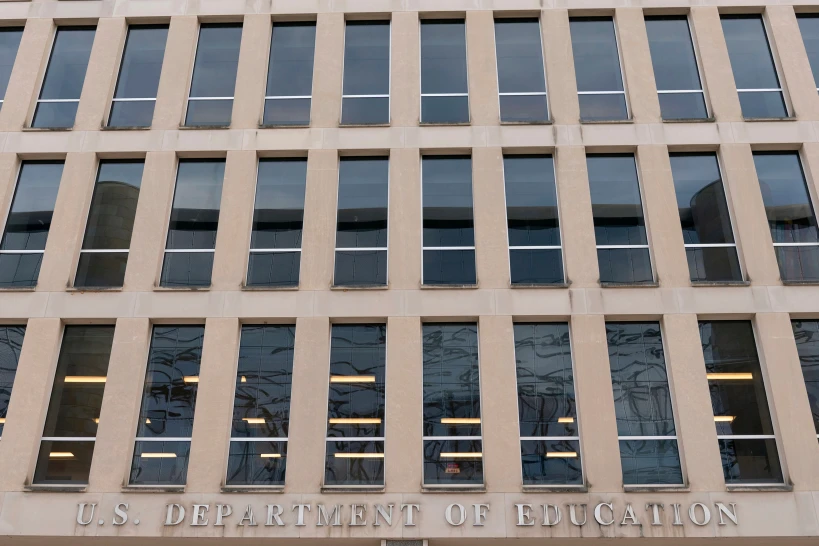
New student loan changes taking effect July 1 will impact borrowers through updated repayment rules, revised programs, and adjustments to federal loan policies.
New Student Loan Rules Bring Major Changes for Borrowers
New changes to the federal student loan system are taking effect July 1, creating important updates that borrowers need to understand as they manage repayment obligations. The changes affect several areas of the student loan process, including repayment options, borrower protections, and the way certain federal loan programs operate. Millions of Americans rely on federal student loans to finance higher education, making policy changes significant for households across the country. Borrowers are being encouraged to review their loan details, understand how the updates may affect monthly payments, and take action if they need to adjust their repayment plans. The changes arrive during a period when many borrowers are already adapting to the return of regular payments following pandemic-era relief programs. Student loan policy has become a major economic issue because repayment decisions can influence household budgets, credit decisions, and long-term financial planning. Government officials say the updates are designed to improve the administration of federal student loans and provide clearer pathways for borrowers. However, consumer advocates warn that borrowers must stay informed because changes to repayment systems can create confusion and unexpected financial challenges. Understanding the new rules will be essential for borrowers who want to avoid missed payments, maintain good standing, and make informed decisions about their financial future.
Repayment Programs and Borrower Options Are Updated
One of the most important areas affected by the July 1 changes involves student loan repayment programs and the options available to borrowers. Federal repayment plans determine how much borrowers pay each month, how long they repay their loans, and whether payments are adjusted based on income levels. Updates to these programs could affect borrowers differently depending on their loan type, income, family circumstances, and repayment history. Some borrowers may see changes in their monthly payment calculations, while others may need to review whether their current repayment plan remains the best option. Education experts recommend that borrowers carefully examine their accounts and use official loan servicing resources to understand how the changes apply to their specific situation. Choosing the right repayment option can have a significant impact on long-term financial outcomes. Borrowers who qualify for income-based programs may benefit from plans that adjust payments according to earnings, while others may prefer standard repayment options that allow them to pay off loans faster. The updated rules highlight the importance of staying engaged with loan information rather than assuming previous arrangements will continue unchanged. As student loan policies evolve, borrowers must regularly review available options and make adjustments when necessary.
Borrowers Face New Responsibilities After Policy Updates
The latest student loan changes place greater importance on borrowers staying informed and actively managing their accounts. While federal agencies and loan servicers provide information about policy updates, borrowers are ultimately responsible for understanding their repayment status and meeting payment requirements. Failing to respond to changes or update personal information can create problems, including missed payments or delays in accessing available assistance programs. Financial experts advise borrowers to verify their contact information with loan servicers, review upcoming payment schedules, and confirm that automatic payment settings are accurate. These steps can help prevent administrative issues during the transition period. The changes also highlight the importance of financial planning for borrowers who may need to adjust monthly budgets to accommodate updated payment amounts. Many households are already managing higher costs for housing, transportation, and everyday expenses, making student loan payments another important financial consideration. Borrowers who experience difficulty making payments are encouraged to explore available assistance options rather than ignoring the problem. Early action can help prevent loans from entering delinquency or default and provide more opportunities to find manageable solutions.
Student Loan Changes Affect College Graduates and Current Students
The July 1 student loan changes affect not only current borrowers making payments but also college students and future graduates who will enter the federal loan system. Students considering borrowing for education must understand how repayment rules work before taking on debt. Financial experts encourage students to evaluate borrowing decisions carefully, consider future earning potential, and understand the total cost of their education. Changes to loan programs can influence how students plan for college expenses and how families approach education financing. Universities and financial aid offices are expected to provide guidance to students as they navigate updated requirements. For current students, understanding loan terms before graduation can help prevent future repayment challenges. For graduates already managing debt, the changes may influence decisions about consolidation, repayment plans, or financial priorities. Student loan policies have long been connected to broader discussions about college affordability and access to education. As costs continue rising, policymakers continue debating how to balance providing educational opportunities with preventing excessive financial burdens on borrowers.
Experts Encourage Borrowers to Review Their Loan Accounts
Financial experts and consumer advocates are urging borrowers to review their student loan accounts as the new changes take effect. Many repayment problems occur because borrowers are unaware of policy updates, changes in payment requirements, or available support programs. Checking loan balances, repayment plans, and account information can help borrowers identify potential issues before they become serious. Experts recommend keeping records of communications with loan servicers and responding quickly to notices about repayment changes. Borrowers should also be cautious about scams targeting people seeking student loan assistance, especially during periods of major policy changes. Fraudulent companies often promise loan forgiveness or guaranteed lower payments in exchange for fees. Officials advise borrowers to use trusted government resources when seeking information about repayment options. Staying informed can help borrowers make better decisions and avoid unnecessary financial problems. The July 1 changes demonstrate the importance of financial awareness in managing long-term debt. As student loan policies continue evolving, borrowers who actively monitor their accounts will be better prepared to handle adjustments.
Future Student Loan Policies Remain Under Debate
The latest student loan changes are part of a larger national conversation about the future of higher education financing and debt management in the United States. Policymakers continue debating how federal student loan programs should operate, how borrowers should be supported, and how college costs should be addressed. Supporters of stronger borrower protections argue that student debt creates long-term financial challenges that can limit economic mobility. Others emphasize the importance of maintaining responsible lending practices and ensuring the sustainability of federal loan programs. The July 1 updates represent another step in the ongoing evolution of student loan policy as officials attempt to balance competing priorities. For borrowers, the most important action is understanding how the changes affect their individual circumstances. Student loans can influence major financial decisions for years, making awareness and planning essential. As discussions continue, future reforms could further reshape repayment systems and borrower protections. The latest changes serve as a reminder that student loan management requires ongoing attention and informed decision-making.