Vietnam’s largest conglomerate Vingroup is accelerating overseas expansion as domestic real estate growth slows and its electric vehicle business faces challenges, pushing the company to seek new global opportunities.
Vingroup Looks Abroad as Domestic Growth Opportunities Slow
Vietnam’s largest private conglomerate, Vingroup, is increasing its international expansion efforts as growth opportunities in its home market become more challenging. The company is seeking new sources of revenue through overseas investments in areas including electric vehicles, smart cities, tourism, real estate, and technology as domestic conditions become less favorable. For years, Vingroup built its reputation as one of Vietnam’s most influential business groups by developing large residential projects, shopping centers, resorts, healthcare facilities, and consumer services. Its diversified business model helped the company become a symbol of Vietnam’s economic transformation and the rise of domestic corporate champions. However, changing conditions in Vietnam’s property sector have encouraged the company to look beyond its traditional growth engine. A slower real estate market has reduced opportunities for rapid expansion, while competition and financial pressures in the electric vehicle sector have created additional challenges. Vingroup’s overseas strategy reflects a broader ambition to transform from a national conglomerate into a global company. The group has announced plans involving projects in multiple countries, including smart-city developments, hospitality investments, and electric vehicle expansion in international markets. The company aims to replicate its integrated ecosystem approach abroad by combining different services under one business network. This strategy includes housing developments connected with education, healthcare, entertainment, mobility, and technology services. Analysts say expanding internationally could help Vingroup reduce dependence on Vietnam’s domestic market while positioning the company to benefit from rising demand in emerging economies. However, overseas expansion also brings significant risks, including unfamiliar regulatory environments, stronger competition, and higher investment costs. The move highlights a wider trend among major Vietnamese companies seeking global opportunities as the country attempts to create businesses capable of competing internationally. For Vingroup, the next stage of growth will depend on whether it can successfully adapt its domestic success model to different markets around the world.
VinFast Expansion Faces Challenges in Global Electric Vehicle Market
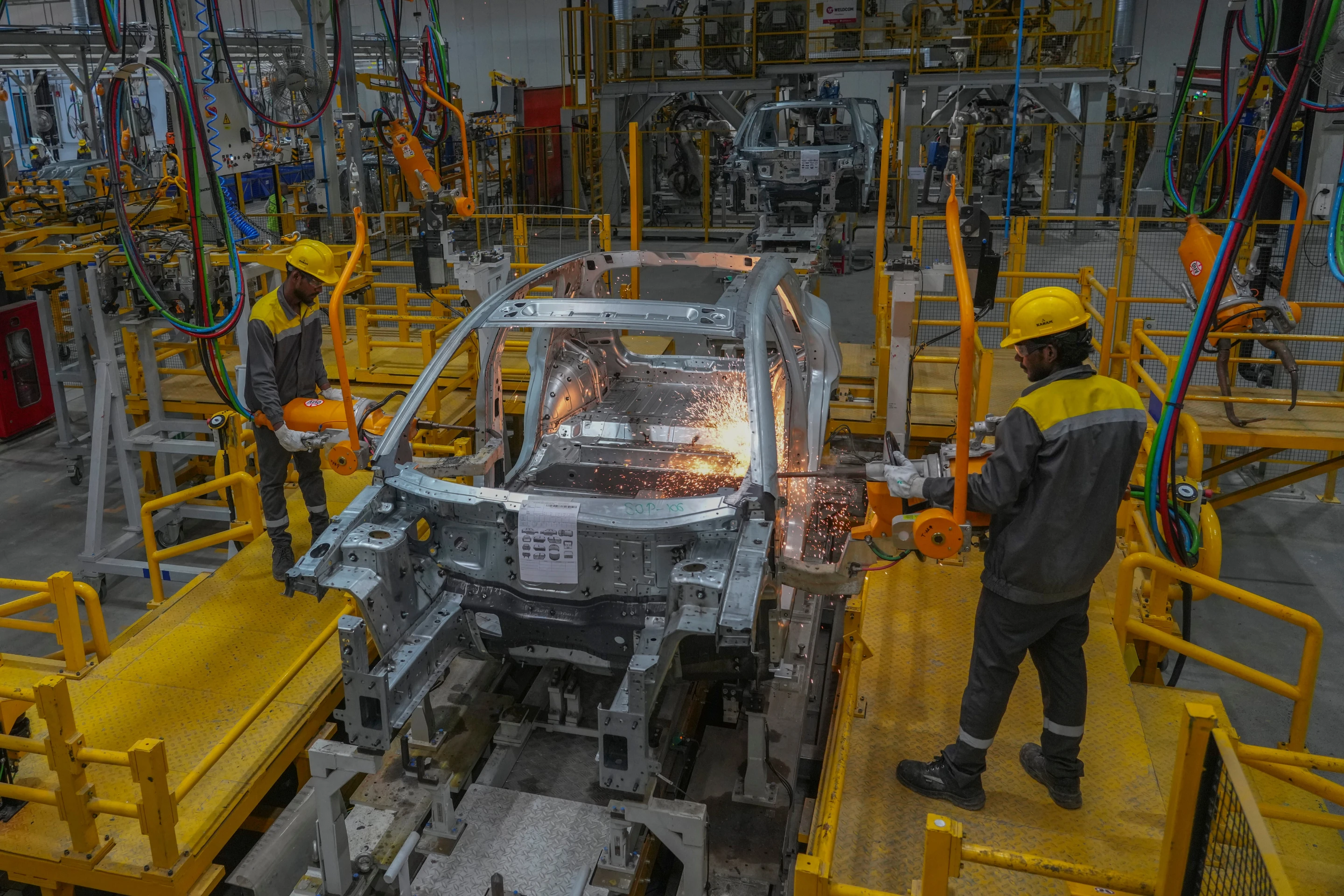
A major part of Vingroup’s international strategy revolves around VinFast, its electric vehicle subsidiary that has become the company’s most visible global project. The automaker has invested heavily in expanding beyond Vietnam, targeting markets including the United States, Southeast Asia, and other emerging regions. VinFast represents Vingroup’s ambition to create a globally recognized Vietnamese automotive brand. The company has invested in manufacturing capacity, vehicle development, and international distribution networks as part of efforts to compete in the rapidly growing electric vehicle industry. However, the global EV market has become increasingly competitive, with established automakers and Chinese electric vehicle manufacturers aggressively expanding their presence. VinFast has faced difficulties gaining traction in some international markets, where consumers have many alternatives and competition remains intense. The challenges facing VinFast have increased pressure on Vingroup to carefully manage international investments while maintaining financial stability. Analysts say that building a successful automotive company requires significant time, capital, and brand development, especially when competing against companies with decades of manufacturing experience. Despite these challenges, Vingroup continues to view electric mobility as a strategic growth opportunity. The company has shifted attention toward markets where EV adoption is growing and where new brands may have greater opportunities to establish a presence. In Southeast Asia and other developing markets, electric vehicles are gaining interest due to government policies supporting cleaner transportation and growing consumer demand for affordable mobility solutions. Vingroup believes its broader ecosystem approach could provide an advantage by connecting electric vehicles with charging infrastructure, technology services, and mobility solutions. This strategy mirrors the company’s approach in Vietnam, where multiple businesses operate together under the same corporate structure. Industry observers say the success of VinFast will be a key factor in determining whether Vingroup’s international expansion achieves its goals. A strong global EV business could strengthen the company’s position, while continued losses could create additional financial pressure. The company’s overseas ambitions therefore depend heavily on balancing long-term investment with sustainable growth.
Global Projects Expand Across Real Estate, Tourism, and Technology
Beyond electric vehicles, Vingroup is expanding its international presence through a range of projects designed to introduce its business ecosystem to new markets. The company has explored opportunities in smart cities, hospitality, renewable energy, and technology development as part of a broader globalization strategy. Vingroup has expressed interest in developing integrated urban projects that combine residential areas with commercial spaces, entertainment facilities, healthcare services, and educational institutions. This approach has been central to the company’s success in Vietnam and is now being considered for international markets. The company has also pursued opportunities in India, where it has explored potential investments involving electric mobility, tourism, entertainment, and other sectors. Agreements with Indian regional authorities have highlighted Vingroup’s interest in expanding its ecosystem model into one of the world’s fastest-growing economies. Tourism and hospitality remain another important area of international growth. Vingroup’s tourism subsidiary Vinpearl has attracted international investment interest as the company seeks to strengthen its hospitality operations. Renewable energy is also becoming part of the company’s long-term strategy. Vingroup has announced plans through its energy businesses to develop large-scale renewable energy projects internationally, reflecting growing demand for cleaner power solutions. Analysts say diversification could help Vingroup reduce reliance on any single industry. However, managing multiple international projects simultaneously requires significant financial resources and operational expertise. Large-scale overseas expansion also carries risks. Companies entering new countries must navigate different regulations, consumer preferences, political environments, and competitive landscapes. Projects that succeed in Vietnam may require significant adjustments when introduced elsewhere. Despite these challenges, Vingroup continues positioning itself as a Vietnamese multinational capable of competing globally. The company’s expansion strategy reflects Vietnam’s broader economic goal of creating internationally competitive corporations. The coming years will determine whether Vingroup can successfully transform its domestic business strength into sustainable global growth.
Vietnam’s Corporate Champions Seek Bigger Role in Global Economy
Vingroup’s international expansion reflects a larger movement among Vietnamese companies seeking to establish stronger positions in global markets. As Vietnam’s economy develops, major domestic businesses are increasingly looking beyond national borders for investment opportunities and international recognition. The Vietnamese government has encouraged the growth of globally competitive companies as the country works to move beyond traditional export-driven growth. Large corporations such as Vingroup are viewed as potential representatives of Vietnam’s economic ambitions. However, becoming a global company requires more than financial investment. Businesses must build international brands, compete against established corporations, and adapt products and services to different markets. Vingroup’s strategy of combining multiple industries represents a different approach from traditional companies that focus on a single business area. The company has attempted to create an interconnected ecosystem where customers can use different services across housing, transportation, healthcare, tourism, and technology. Supporters argue that this model can create strong customer relationships and improve business efficiency. Critics, however, question whether managing such a broad range of industries internationally could create operational challenges. Investors are closely watching Vingroup’s overseas progress, particularly its ability to improve performance in areas requiring significant capital investment. The company’s future success will depend on execution, market conditions, and its ability to compete internationally. Vietnam’s economic rise has created opportunities for companies willing to expand globally, but international markets are far more competitive than domestic ones. Businesses must demonstrate innovation, efficiency, and adaptability to succeed. For Vingroup, overseas expansion represents both an opportunity and a challenge. The company is attempting to move from being Vietnam’s largest private enterprise toward becoming a recognized global corporation. Whether that ambition becomes reality will depend on how effectively Vingroup manages growth, controls costs, and builds trust among international customers and investors.