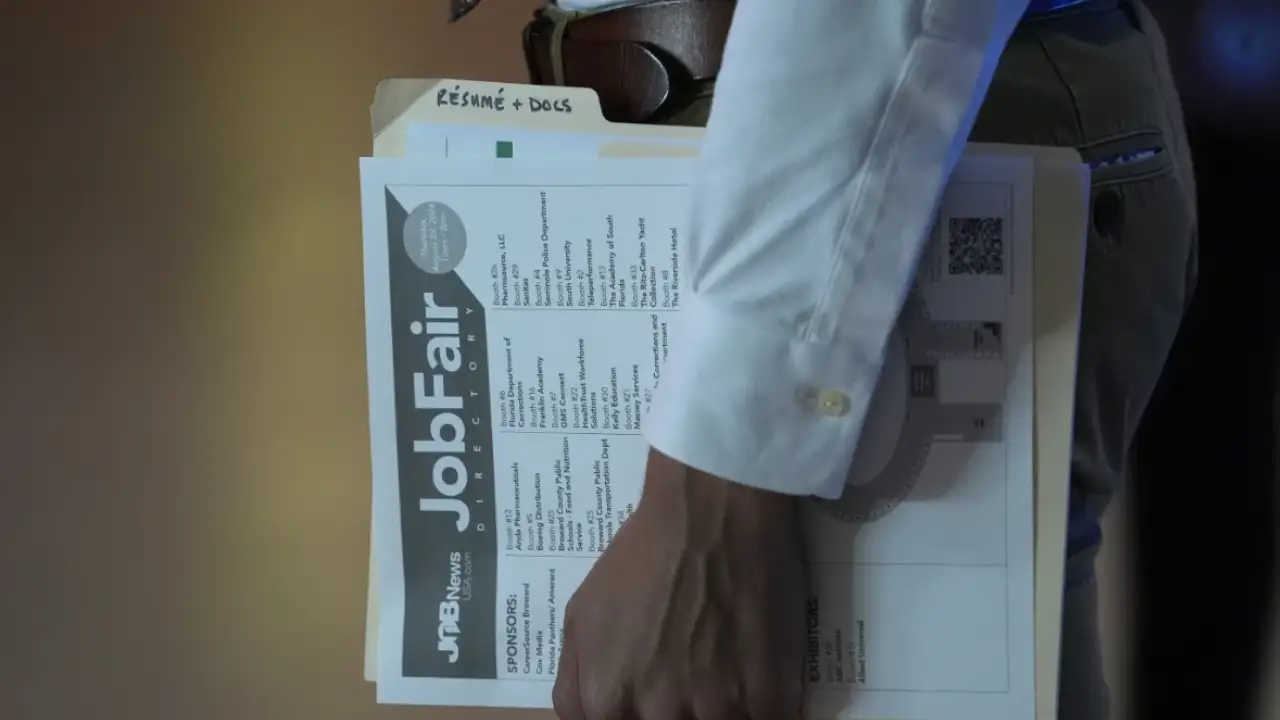
American employers are pulling back on new hires as businesses grow more cautious about the near-term demand environment, with rising costs and uncertain consumer conditions prompting a more measured approach to workforce expansion.
Hiring Pace Softens Across Key Sectors
Major U.S. employers are scaling back recruitment plans as companies reassess workforce needs in light of a more uncertain economic environment. Industries including retail, technology, financial services, and manufacturing have all reported slower job posting activity compared to earlier in the year. Human resources data shows that the pace of hiring decisions is extending, with companies taking longer to fill open positions or choosing to keep roles unfilled rather than committing to long-term payroll expansion. The shift marks a notable change from the aggressive hiring seen in previous periods of strong post-pandemic recovery.
Demand Uncertainty Drives Employer Caution
Business leaders say the primary driver behind slower hiring is uncertainty about near-term customer demand. While consumer spending has remained relatively stable, companies are concerned about whether current levels can be sustained given persistent inflation, high borrowing costs, and signs of household financial strain. Executives at several large firms have described a wait-and-see approach to staffing, preferring to optimize existing teams rather than take on additional fixed labor costs ahead of a potential slowdown. This cautious posture is reflected in recent surveys of business sentiment, where forward-looking hiring intentions have softened across multiple industries.
Technology and Finance Sectors Lead the Pullback
The technology and financial services sectors have been among the most visible in slowing their hiring activity. Following aggressive recruitment in prior years, several technology companies have moved toward workforce consolidation, relying more on automation, artificial intelligence tools, and contractor arrangements to handle workloads without growing permanent headcount. Banks and financial institutions have similarly paused hiring in certain divisions as they navigate elevated interest rates, tighter lending margins, and regulatory demands. Analysts say both sectors are attempting to right-size their organizations after periods of rapid expansion.
Small Businesses Face Added Pressure From Costs
While large corporations manage deliberate hiring strategies, small businesses are experiencing the hiring slowdown differently. Many small and mid-sized employers say they want to grow their teams but face significant barriers including elevated wages, rising healthcare costs, and limited access to affordable financing. Some business owners report that they have left positions open rather than accepting the full cost burden of new hires. Industry groups representing small businesses have called on policymakers to address cost pressures that they say are constraining growth and limiting the ability of smaller firms to compete for talent.
Labor Market Resilience Keeps Unemployment Low
Despite the hiring slowdown, the broader labor market has remained relatively stable. The national unemployment rate has not risen sharply, as the pullback in new hiring has largely not translated into significant layoffs. Workers who are already employed have maintained relative job security, and wage levels have continued to hold at elevated rates compared to pre-pandemic norms. Economists say the current environment is best characterized as a plateau rather than a contraction, with companies stabilizing rather than cutting, creating a labor market that remains tight but is gradually cooling.
Outlook Depends on Consumer and Policy Signals
The direction of U.S. hiring in the coming months will depend heavily on how consumer spending trends evolve and what signals emerge from monetary policy. If the Federal Reserve begins reducing interest rates and credit conditions ease, businesses may regain confidence to invest more aggressively in hiring. Conversely, if demand shows signs of softening further, additional hiring freezes or targeted workforce reductions may follow. Business leaders and economists alike say the second half of 2026 will be a critical period that determines whether the current hiring pause is a temporary adjustment or the beginning of a more sustained slowdown in the labor market.