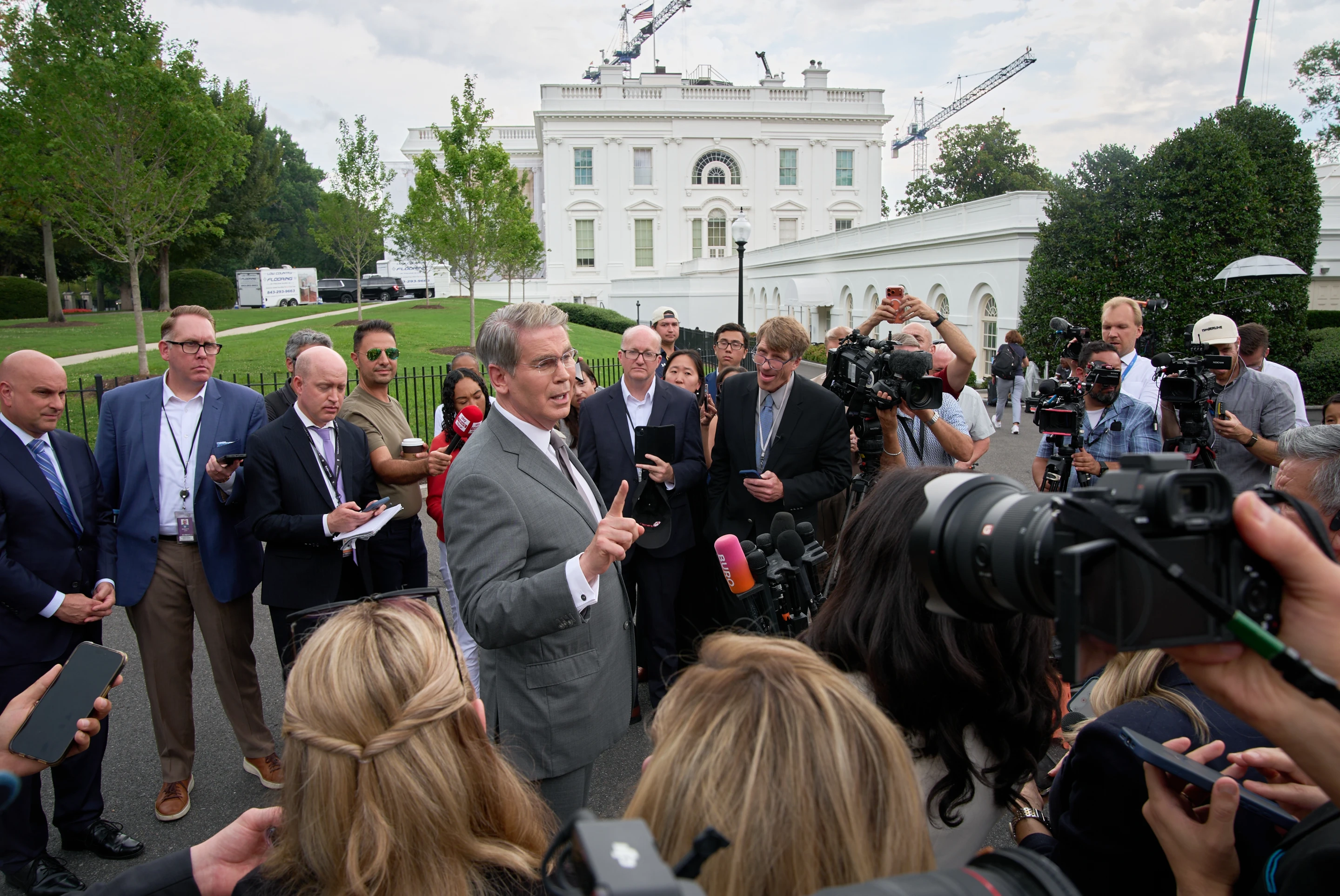
American companies are reporting stronger revenues and expanding operations as household spending remains robust, driven by steady employment and resilient consumer confidence.
Consumer Spending Powers Business Revenue Growth
Businesses across the United States are reporting meaningful gains in revenue as consumer spending continues to hold firm despite earlier concerns about inflation and borrowing costs. Retailers, service providers, and manufacturers alike have noted stronger-than-expected demand during the first half of 2026, with household purchases of goods and services remaining elevated. Economic analysts say the persistence of consumer activity has provided a critical buffer against broader financial headwinds, allowing many companies to expand hiring, raise wages, and increase investment in infrastructure and technology.
Employment Stability Keeps Household Budgets Intact
A stable labor market has played a central role in sustaining consumer spending. The national unemployment rate has remained relatively low, and job creation has continued across multiple sectors including healthcare, technology, logistics, and professional services. With more Americans in steady employment, household incomes have remained sufficient to support ongoing spending activity. Many workers have also benefited from wage increases negotiated in recent years, giving them additional purchasing power that has directly translated into higher revenues for businesses.
Small and Mid-Sized Companies Lead Expansion Push
While large corporations have posted solid earnings, it is small and mid-sized enterprises that have driven much of the recent business expansion. Entrepreneurs across various industries have reported growing customer bases, stronger foot traffic, and improved order volumes compared to the same period last year. Access to credit and supportive lending conditions have allowed these businesses to invest in new equipment, hire additional staff, and explore new markets. Business formation data also reflects renewed confidence, with new company registrations continuing at a healthy pace.
Service Sector Sees Particularly Strong Demand
The service sector has been among the strongest performers amid the current spending environment. Restaurants, hospitality businesses, entertainment providers, and personal care services have all reported elevated customer activity. Consumers appear to be prioritizing experiences and services alongside physical goods, a trend that has provided significant support to service-oriented industries. Travel and tourism have also benefited, with domestic travel remaining strong and international arrivals contributing to overall activity levels.
Challenges Remain Despite Positive Momentum
Despite the broadly positive picture, business leaders continue to navigate a range of challenges. Elevated interest rates have increased borrowing costs for companies seeking to finance growth through credit. Supply chain pressures, while improved compared to previous years, still create occasional disruptions in certain sectors. Additionally, some economists warn that consumer spending growth may moderate in coming months if households begin reducing discretionary purchases in response to accumulated debt or economic uncertainty. Businesses are therefore balancing current optimism with careful planning for potential slowdowns.
Outlook Remains Positive With Cautious Optimism
Business confidence surveys released in recent weeks reflect a generally optimistic outlook for the remainder of 2026. Companies are projecting continued growth in revenues and plan to maintain or increase current levels of investment and hiring. Economists largely support this positive forecast but caution that external factors including global trade conditions, energy prices, and shifts in fiscal policy could influence the trajectory. For now, the combination of strong consumer demand and stable employment continues to provide a solid foundation for U.S. business growth.