China has imposed export controls on 14 European Union entities in response to Russia-related sanctions, escalating tensions between Beijing and Brussels over trade restrictions, technology access, and geopolitical policy.
China Announces New Export Restrictions Against European Entities
China has introduced export control measures targeting 14 entities linked to the European Union in what Beijing described as a response to sanctions connected to Russia. The move represents a significant escalation in economic tensions between China and Europe as both sides continue navigating disagreements over trade policies, technology restrictions, and geopolitical issues. Chinese authorities said the restrictions were implemented after the EU introduced measures affecting companies and organizations connected to Russia-related activities. The latest action adds another layer of complexity to already strained relations between Beijing and Brussels, which have faced growing disagreements over market access, industrial competition, and national security concerns. Export controls are among the most powerful economic tools available to governments because they can limit the ability of targeted organizations to access critical goods, technologies, and commercial resources. China’s decision reflects its increasing willingness to use trade-related measures in response to foreign sanctions and restrictions. The affected European entities may face additional challenges when conducting business involving Chinese suppliers, manufacturers, or technology providers. Analysts say the move highlights the broader trend of economic issues becoming closely connected with geopolitical disputes. As governments increasingly use sanctions and export controls as diplomatic instruments, businesses operating internationally must navigate a more complicated regulatory environment. The latest restrictions are expected to increase uncertainty for companies involved in industries such as advanced technology, defense-related manufacturing, and international trade. European officials are expected to evaluate the impact of China’s measures while considering potential responses.
Retaliation Follows European Sanctions Linked to Russia
The Chinese export controls were announced after the European Union expanded sanctions targeting organizations and individuals connected to Russia-related activities. The EU has continued implementing restrictive measures as part of its broader foreign policy approach toward Moscow, including actions aimed at limiting access to resources, financial networks, and technology. Beijing has criticized some of these measures, arguing that unilateral sanctions can disrupt global trade and negatively affect international economic cooperation. China has repeatedly stated that it prefers dialogue and diplomatic solutions rather than economic restrictions imposed by individual countries or groups. The latest export controls demonstrate Beijing’s position that it will respond when Chinese interests or international partners face what it considers unfair restrictions. The situation reflects a growing pattern of reciprocal economic measures between major global economies. In recent years, sanctions and export controls have become increasingly common as governments attempt to influence foreign policy decisions through economic pressure. However, these actions can also create uncertainty for businesses that depend on global supply chains. European companies operating in China or relying on Chinese manufacturing networks may need to reassess compliance procedures and risk management strategies. The dispute between China and the EU highlights the challenge of maintaining economic cooperation while addressing disagreements over security and foreign policy. Both sides remain important trading partners, making the relationship strategically significant despite increasing political tensions.
Trade and Technology Sectors Face Growing Uncertainty
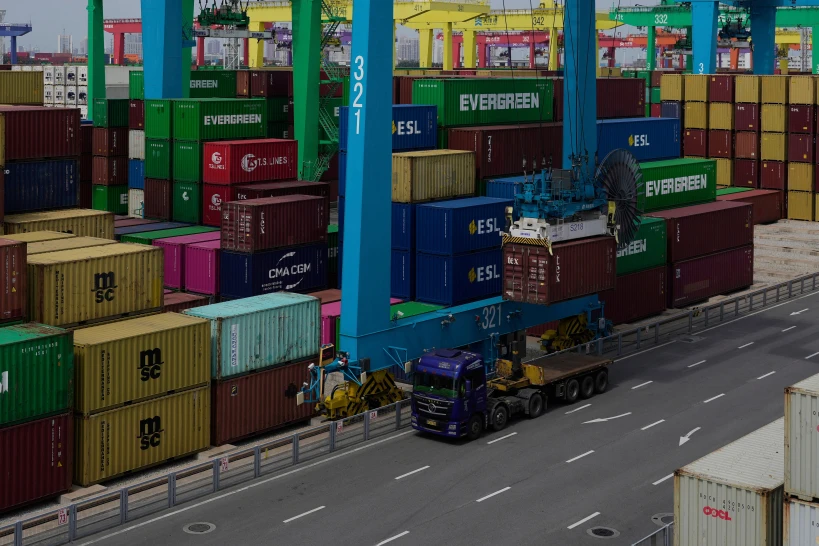
The latest export restrictions could have implications for companies operating in sensitive industries, particularly those involving advanced technology, manufacturing equipment, and strategic goods. Export controls can limit the movement of products, components, software, or technical knowledge across borders, potentially affecting business operations and investment decisions. European companies with connections to the targeted entities may need to conduct additional compliance reviews to ensure they meet Chinese regulatory requirements. The technology sector has become a major area of competition between China, Europe, and other global economies as governments seek to protect critical industries and maintain technological advantages. Restrictions on technology transfers have increased significantly in recent years, with countries introducing rules aimed at controlling access to advanced systems and infrastructure. Businesses are now facing a more complex environment where commercial decisions are increasingly influenced by geopolitical considerations. Supply chain managers and corporate executives are paying closer attention to regulatory changes because sudden restrictions can affect production schedules, partnerships, and market access. Analysts say companies may accelerate efforts to diversify suppliers and reduce dependence on single markets to manage geopolitical risks. The latest China-EU dispute adds to concerns that global trade could become more fragmented as countries prioritize strategic interests alongside economic growth. While export controls are often introduced for security reasons, they can also create challenges for businesses seeking predictable international trade conditions.
EU and China Relationship Under Increasing Pressure
Relations between the European Union and China have become increasingly complicated as both sides attempt to balance economic cooperation with strategic disagreements. China remains one of Europe’s largest trading partners, while European companies continue to depend on Chinese markets, manufacturing capabilities, and supply chains. At the same time, European governments have raised concerns about trade imbalances, industrial competition, technology security, and China’s approach to international issues. The latest export controls add another challenge to efforts aimed at maintaining stable economic relations. European officials have previously emphasized the importance of reducing strategic vulnerabilities while continuing engagement with China on areas of mutual interest. Beijing, meanwhile, has criticized European restrictions and argued that economic policies should not be influenced by political pressure. The dispute over Russia-related sanctions demonstrates how foreign policy decisions can directly affect commercial relationships. Businesses on both sides are increasingly required to monitor political developments because government actions can quickly change market conditions. Experts say the future of China-EU relations will depend on whether both sides can find ways to manage disagreements while preserving economic cooperation. The current tensions reflect a broader shift in global trade, where economic partnerships are increasingly shaped by security concerns and geopolitical competition.
Companies Prepare for Wider Impact of Economic Measures
Businesses affected by changing trade restrictions are preparing for possible disruptions as governments continue using economic measures to achieve strategic goals. Companies operating across multiple regions are increasingly investing in compliance teams, legal reviews, and alternative supply chain strategies to reduce exposure to sudden regulatory changes. The China-EU dispute demonstrates how international businesses must now consider geopolitical risks alongside traditional factors such as costs, demand, and competition. Export controls can influence investment decisions because companies may hesitate to expand operations in markets where regulations can change quickly. Industries that depend on international technology transfers or specialized components are particularly vulnerable to new restrictions. Corporate leaders are closely monitoring government announcements and assessing potential impacts on operations. Some businesses may seek additional suppliers or production locations to reduce reliance on affected markets. Others may increase communication with regulators to better understand compliance requirements. The growing use of sanctions and export controls has created a new challenge for global commerce, where companies must navigate overlapping legal systems and political priorities. Analysts expect businesses to continue strengthening risk management strategies as economic disputes between major powers become more frequent. The latest measures from China highlight the importance of flexibility and preparedness in an increasingly uncertain global trading environment.
Global Trade Faces New Era of Strategic Competition
China’s decision to impose export controls on European entities reflects a wider transformation in global trade relations, where economic policies are increasingly influenced by national security and geopolitical competition. For decades, international commerce was driven primarily by efficiency, cost advantages, and market expansion. However, recent conflicts and diplomatic disputes have encouraged governments to prioritize supply chain security and strategic independence. The use of export controls, sanctions, and investment restrictions has become a common feature of international relations among major economies. The China-EU dispute over Russia-related sanctions represents another example of how political disagreements can affect commercial activities worldwide. While governments argue that these measures protect national interests, businesses often face increased complexity and uncertainty. The long-term impact of such policies may include changes in global supply chains, increased regional manufacturing, and greater focus on economic resilience. Companies and investors are closely watching how China, the EU, and other major economies manage future disputes. The outcome could influence the direction of international trade policies for years to come. As geopolitical competition continues, businesses will need to adapt to a world where economic decisions and foreign policy are increasingly interconnected.